
Bicycle Seat Materials: Which One is Right for You?
Upload time :December 31, 2023
Shares
Reads
Choosing the Right Bicycle Seat: Leather, Synthetic, or Gel?
Buy Now
See More: Wholesale Products
When it comes to choosing a bicycle seat, there are a variety of materials to consider. Leather seats may offer durability and style, but also require maintenance and can be uncomfortable for some users. Synthetic seats, on the other hand, are affordable, easy to maintain, and come in a range of materials such as vinyl, neoprene, and polyester. However, they lack breathability. Gel seats are ideal for those seeking extra cushioning and weight distribution, but can be heavier and pricier. Overall, it's important to consider your budget, riding needs, and personal preferences when selecting the right seat for you.
Leather Bicycle Seats
When it comes to cycling, one of the most important features of a bicycle is the seat. It is essential to have a comfortable and sturdy seat to ensure an enjoyable and safe ride. Leather seats offer a timeless, classic look that many cyclists find appealing. However, they also come with their own set of benefits and drawbacks.
One of the primary advantages of leather bicycle seats is their durability. Unlike other materials such as vinyl or synthetic fabrics, leather can withstand wear and tear better. This means that the seat will last longer and maintain its shape over time, making it an excellent investment for any cyclist looking for a long-lasting option.
Another benefit of leather seats is their style. Leather has always been associated with luxury and elegance, and it adds a touch of sophistication to any bike. Moreover, leather seats are available in different colors and designs, allowing you to personalize your bike and make it stand out from others.
Despite their many benefits, leather bicycle seats also have some drawbacks. The most significant drawback is maintenance. Leather requires regular care to keep it in good condition. This includes cleaning the seat regularly with a damp cloth and applying a leather conditioner to prevent it from drying out and cracking. Failure to maintain the seat properly could lead to damage and decrease its lifespan.
Additionally, some cyclists may experience discomfort when using leather seats. This is because leather can be hard and unforgiving, especially in hot weather. However, this issue can be mitigated by using padded shorts or adding a gel cushion to the seat.
Synthetic Bicycle Seats
When it comes to choosing a bicycle seat, there are a variety of materials available on the market. Synthetic materials, in particular, have become increasingly popular due to their affordability, ease of maintenance, and durability. However, there are also several disadvantages associated with synthetic materials, including their lack of breathability and potential for discomfort during longer rides. In this article, we will discuss the advantages and disadvantages of synthetic bicycle seats, as well as the different types of synthetic materials available on the market.
Advantages of Synthetic Bicycle Seats
One of the primary advantages of synthetic bicycle seats is their affordability. Compared to natural materials such as leather or suede, synthetic materials are typically much less expensive. This makes them an attractive option for riders on a budget, or for those who simply don't want to spend a lot of money on a bike seat.
Another advantage of synthetic bicycle seats is their ease of maintenance. Synthetic materials are often more resistant to water and stains than natural materials, which means they can be easily wiped down or cleaned with a damp cloth. They also tend to hold up better over time, as they are less likely to fade or crack with age.
Disadvantages of Synthetic Bicycle Seats
One of the biggest disadvantages of synthetic bicycle seats is their lack of breathability. Unlike natural materials such as leather, which allow air to circulate freely, synthetic materials can trap moisture and heat against the skin. This can lead to discomfort, chafing, and even skin irritation, especially during longer rides.
Synthetic materials can also be less comfortable than natural materials, particularly when it comes to shock absorption. While some synthetic materials are designed to mimic the feel of natural materials, they may not provide the same level of cushioning or support. This can make rides less comfortable and lead to a greater risk of injury.
Types of Synthetic Materials Available
There are several different types of synthetic materials used in bicycle seats, each with its own unique characteristics and benefits. One of the most common materials is nylon, which is known for its durability, resistance to water, and ability to hold its shape over time. Other popular synthetic materials include vinyl, which is lightweight and easy to clean, and neoprene, which provides excellent shock absorption and insulation.
Gel Bicycle Seats
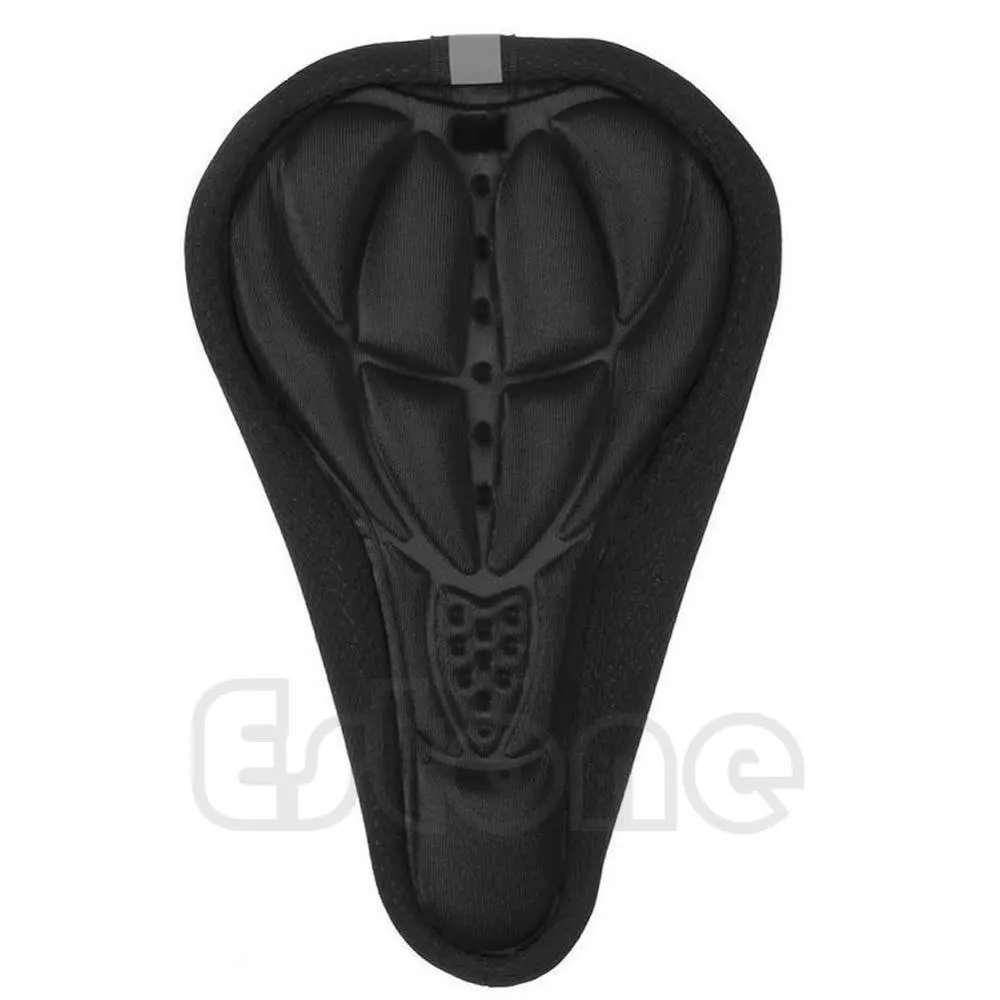
The most significant advantage of a gel seat is the extra cushioning it provides. The gel padding molds itself to the shape of the rider's body, ensuring that pressure points are reduced, resulting in greater comfort for long rides. This added comfort is particularly beneficial for riders who frequently ride on bumpy or uneven terrain and can feel the impact of road vibrations through their seat.
Another benefit of gel seats is their ability to distribute the rider's weight evenly across the entire seat. Unlike traditional seats that focus the rider's weight onto a few small contact points, gel seats enable even distribution of weight throughout the seat's surface area. This even distribution helps prevent pain and discomfort during extended periods of sitting.
While gel seats are undoubtedly more comfortable than traditional seats, they do come with a cost. Gel seats are often more expensive than other seat options due to the added materials and manufacturing process required to make them. Additionally, they tend to be heavier than traditional seats due to the additional padding and materials used in their construction. However, for many riders, the increased comfort provided by a gel seat outweighs these drawbacks.
In summary, gel bicycle seats are an excellent option for riders looking for added comfort and reduced pressure points during long rides. The gel padding distributes the rider's weight evenly, preventing pain and discomfort, especially on rough terrain. While they may be more expensive and heavier than other options, many riders find the added comfort worth the investment. Ultimately, the choice of whether to use a gel seat or not is a personal one that depends on individual preferences, riding styles, and budget.
FAQ
Q1. What are the most common materials used for bicycle seats?
The most common materials used for bicycle seats are foam, gel, leather, and synthetic materials such as nylon and vinyl. Foam seats are lightweight and affordable, while gel seats provide better comfort and shock absorption. Leather seats offer a classic and stylish appearance, but can be expensive and require more maintenance. Synthetic seats are durable and easy to maintain, but may not provide as much cushioning as foam or gel.
Q2. What should I consider when choosing a bicycle seat material?
When choosing a bicycle seat material, it's important to consider your riding style, comfort preferences, and budget. If you frequently ride long distances or on rough terrain, a seat with extra cushioning or shock absorption may be more comfortable. If you prefer a classic look, leather may be a good option, but keep in mind that it requires more maintenance than synthetic materials. Additionally, consider your budget and how much you're willing to spend on a high-quality, durable seat.
Q3. How do I care for my bicycle seat to ensure its longevity?
To ensure the longevity of your bicycle seat, it's important to properly care for it. If you have a leather seat, use a leather conditioner to keep it supple and prevent cracking. Regardless of the material, always store your bike indoors or cover it with a waterproof cover to prevent moisture damage. Clean your seat regularly with a mild soap and water to remove dirt and grime. Finally, inspect your seat periodically for any signs of wear or damage, and replace it if necessary.
Q4. Can I replace my bicycle seat with one made from a different material?
Yes, you can replace your bicycle seat with one made from a different material, as long as it's compatible with your bike's seat post and clamp. Keep in mind that different materials may have different levels of cushioning and shock absorption, so try out different options to find the one that best suits your needs. Additionally, consider the weight and durability of the seat when making your decision.
Recommended related content
The Latest Trends in Style Wigs: Which One is Right for You?
Blackout vs. Sheer Black Bedroom Curtains: Which is the Right Choice for You?
RF Microneedling vs. Traditional Microneedling: Which is Right For You?
Rhinestone Pants vs. Sequin Pants: Which Trend is Right for You?
