
Cast Fishing vs. Fly Fishing: Which is Right for You?
Upload time :January 4, 2024
Shares
Reads
Are you looking to take up fishing? The choice between fly fishing and cast fishing can seem daunting. Cast fishing rods offer versatility, ease of use and the ability to catch larger fish. Popular species caught through casting include bass, trout, and pike. Fly fishing provides greater control, perfect for catching smaller fish, and offers a more challenging and rewarding experience. Fish species best targeted with a fly fishing approach include salmon, steelhead, and bonefish. When choosing between the two methods, consider your skill level, location, target species, and personal preferences. Ensure you choose the right type of equipment for your chosen method, including rods, reels, lines, and lures. Regardless of which method you choose, fishing is a great way to connect with nature and enjoy the outdoors.
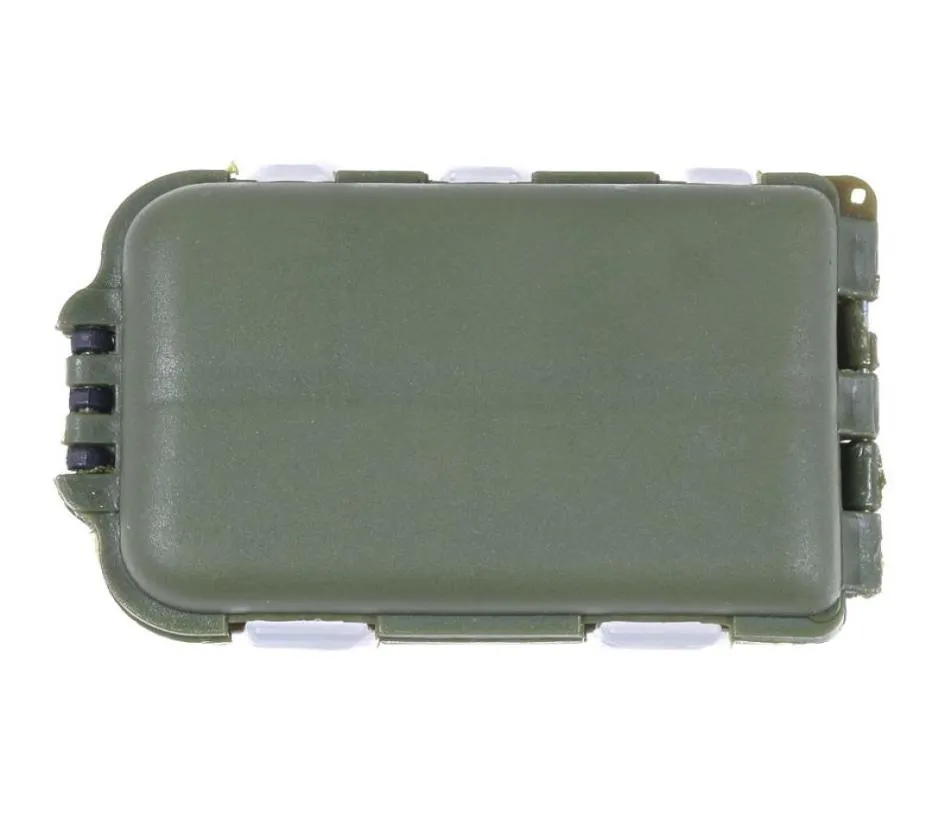
Buy Now
See More: Wholesale Products
Benefits of Cast Fishing
Firstly, versatility is a significant advantage of cast fishing. With a casting rod, you can fish in a variety of water conditions and target different species. Whether you’re fishing in freshwater or saltwater, rivers or lakes, a casting rod allows you to adapt to the environment with ease. This flexibility is particularly useful for anglers who enjoy exploring new areas and experimenting with different baits and lures.
Ease of use is another benefit of cast fishing. Unlike other types of fishing that require a lot of skill to master, casting a rod is relatively simple. You don’t need to have years of experience or special training to get started with this method. Even beginners can quickly learn the basics of casting and catch their first fish in no time.
But perhaps the most significant advantage of cast fishing is the ability to catch larger fish. Because casting rods are designed to handle heavier lines and lures, they’re ideal for targeting big game fish such as bass, pike, musky, and salmon. With a casting rod, you can cast further, deeper, and with more accuracy, increasing your chances of hooking a prize catch.
Some of the most popular species best caught through cast fishing include largemouth bass, smallmouth bass, northern pike, and walleye. These fish are prized catches among anglers and are known for their size and fighting spirit. By using a casting rod, you can increase your chances of landing a trophy-sized fish and have a thrilling fishing experience.
Benefits of Fly Fishing
Another benefit of fly fishing is its suitability for catching smaller fish. While traditional spin casting methods can be effective for larger species such as bass or pike, fly fishing is better suited for targeting smaller fish like trout, panfish, and grayling. These fish often require more delicate presentations and smaller flies, which can be difficult to achieve with a traditional spinning rod.
One of the most rewarding aspects of fly fishing is the challenge it presents. Because fly fishing requires a greater level of skill and finesse than traditional spin casting, it can be more challenging to master. However, this challenge also makes the experience more rewarding when you do catch a fish. Learning to read the water, tie your own flies, and make precise casts all add to the thrill and satisfaction of fly fishing.
When it comes to targeting specific species, there are several fish that are best caught using fly fishing techniques. Trout, for example, are perhaps the most popular species targeted by fly fishermen. Their love of insects and other small aquatic creatures makes them a perfect candidate for fly fishing, as fly patterns mimic these natural food sources. Other species that are commonly targeted with fly fishing include panfish like bluegill and crappie, as well as grayling, bass, and even salmon and steelhead.
Considerations When Choosing
Skill Level: Before choosing a type of fishing, it is essential to assess your skill level. If you are a novice, starting with a basic technique like spin casting or bait casting may be best. These techniques involve simple casting motions and are relatively easy to master. On the other hand, if you are an experienced angler, fly fishing may be more challenging and rewarding.
Location: The location where you plan to fish also plays a vital role in choosing the right type of fishing. Different types of fishing are suitable for different bodies of water. For instance, freshwater fishing requires lighter tackle than saltwater fishing, which often involves heavier gear designed to handle stronger currents and larger fish.
Target Species: Identifying your target species is another factor to consider when choosing a type of fishing. Some fish species are easier to catch with certain techniques or baits. For example, trout are often caught using fly fishing techniques, while bass are more commonly caught using a baitcasting reel.
Personal Preferences: Personal preferences play a significant role in choosing the right type of fishing. Do you prefer the relaxing nature of fishing from a boat or the thrill of wading in a stream? Do you enjoy being out in nature or prefer the convenience of fishing close to home? Answering these questions will help you choose the right type of fishing.
Once you have identified the type of fishing that aligns with your skills, location, target species, and personal preferences, it's time to select the appropriate equipment. Here are some tips to consider:
Rods: Choose a rod length and weight that matches the type of fishing you plan to do. Longer rods offer more casting distance, while shorter rods provide better control in tight spaces.
Reels: Select a reel that matches your rod weight and the type of fishing you plan to do. Spinning reels are great for beginners and versatile because they can be used in fresh or saltwater. Baitcasting reels are more precise but require more skill.
Lines: Consider the strength and type of line that is most appropriate for your chosen method. Monofilament lines are excellent for beginners, while braided lines offer greater strength and sensitivity.
Lures: Select lures based on the species you plan to catch and the method you use. For example, plastic worms work well for bass fishing, while fly patterns are ideal for fly fishing.
In summary, choosing the right type of fishing and equipment takes careful consideration of your skill level, location, target species, and personal preferences. By identifying these factors, you can select the appropriate equipment and technique for a successful and enjoyable fishing experience.
FAQ
Q1. What is the main difference between cast fishing and fly fishing?
Cast fishing involves using a rod and reel to cast a lure or baited hook into the water, while fly fishing uses a more specialized rod and line to cast a lightweight artificial fly into the water. The techniques for casting and retrieving can also vary greatly between these two methods.
Q2. Which type of fishing is better for beginners?
Cast fishing is generally considered easier for beginners because it requires less specialized equipment and offers a greater variety of fishing styles and locations. However, fly fishing can also be learned by beginners with patience and practice, and may be more enjoyable for those who enjoy the challenge and artistry of the sport.
Q3. What are the advantages of fly fishing over cast fishing?
Fly fishing offers several advantages over cast fishing, including the ability to cast longer distances and more accurately, as well as the opportunity to catch larger fish on lighter gear. Fly fishing also allows for greater control and finesse in presenting the fly to the fish, which can result in more strikes and successful catches.
Q4. What factors should I consider when choosing between cast fishing and fly fishing?
When deciding which type of fishing is right for you, consider your experience level, the type of fish you want to target, and the location and conditions of the water you plan to fish. Cast fishing may be more suitable for beginners or for fishing in areas with limited space or obstacles, while fly fishing may be preferred for targeting specific species or for fishing in larger, open waters. Ultimately, both methods offer unique experiences and rewards for anglers of all levels.
Recommended related content
Knife Combs vs. Regular Combs: Which is Better for Your Hair?
Top 5 Shampoo Brushes on the Market: Which One Is Right for You?
TV Speaker vs Soundbar: Which is Better for You?
Terry Towels vs. Other Types of Towels: Which One is Right for You?
The Top 5 Diamond Grinders on the Market: Which One is Right for You?
