
Why Investing in Quality Bicycle Lights is Essential for Commuting
Upload time :December 18, 2023
Shares
Reads
Bicycle lights are crucial for visibility during commutes, and riding without them can pose potential risks. Regulations and safety standards require cyclists to use lighting systems while riding. There are different types of bicycle lights available such as headlights, taillights, and wheel lights, each with their own features, purpose, and ideal use case scenarios. Investing in quality bicycle lights improves safety, visibility, durability, and battery life, ultimately enhancing the commuting experience. Cost-effective options exist for high-quality bicycle lights, which can save money in the long run by investing in durable and reliable lighting solutions. As a bicycle lights consumer, it is important to consider factors such as cost, performance, and regulations when selecting the appropriate lighting system.
Buy Now
See More: Wholesale Products
Importance of Visibility
Riding without proper lighting can pose a significant risk to your safety. According to the National Highway Traffic Safety Administration (NHTSA), 19% of cyclist fatalities occur between 6 pm and 9 pm, while only 4% occur between 9 am and noon. This statistic highlights the importance of having proper lighting when riding your bike, especially during low-light hours.
Bicycle lights come in various types and styles, including front lights, rear lights, and even light-up clothing or accessories. The most common type is the front light, which typically emits a white light and is mounted on the handlebars of the bike. Rear lights, on the other hand, emit a red light and are usually attached to the back of the bike frame or seat post.See More: What are the benefits of using viscose fabrics in clothing?
When choosing a bicycle light, consider the brightness of the light, the battery life, and the durability of the product. A brighter light will make you more visible to drivers, while a longer battery life will ensure that you don't run out of power in the middle of a ride. Additionally, a durable light will withstand wear and tear from daily use and unpredictable weather conditions.
In addition to using bicycle lights, reflective clothing and accessories can also enhance your visibility on the road. Reflective vests, ankle bands, and tape can all be used to reflect light back to drivers, making you more visible from a distance.
It is important to note that some cities and states have laws regarding the use of bicycle lights. In California, for example, it is required by law to have a white front light and a red rear light or reflector when riding at night. Familiarize yourself with the laws in your area to avoid potential fines or legal trouble.
Regulations and Safety Standards
As a cyclist, safety should be your top priority. One of the essential ways to ensure your safety while cycling at night or during low light conditions is by having proper bike lighting. However, not all bike lights are created equal in terms of brightness, durability, battery life, and adherence to regulations and safety standards.See More: 5 Best Bike Hubs for an Unbeatable Cycling Experience
In this article, we will discuss the regulations and safety standards for bike lighting, including the different types of lighting systems that are commonly available in the market.
Regulations
Most countries have regulations regarding bike lighting to ensure that cyclists are visible to other road users, especially motorists, and to reduce the risk of accidents. In the United States, the Federal Consumer Product Safety Commission (CPSC) regulates bike lighting under the Code of Federal Regulations (CFR), Title 16, Part 1512. This regulation specifies the requirements for bike lighting in terms of brightness, beam pattern, and placement.
According to the CPSC, front lights should have a minimum brightness of 150 lumens and a beam pattern that illuminates the road ahead without blinding oncoming traffic. Rear lights should be visible from at least 500 feet away and have a minimum run time of 2 hours on a single charge.
Safety Standards
Bike lighting manufacturers also adhere to various safety standards developed by organizations such as the International Organization for Standardization (ISO) and the German StVZO standard. These standards specify the technical requirements for bike lighting, including brightness, beam pattern, and color temperature.
Some of the commonly used bike lighting systems include:
1. LED Lights: LED lights are energy-efficient and long-lasting, making them the most popular type of bike light. They come in different shapes and sizes, including front and rear lights, and can be mounted on the handlebars, seat post, or helmet.
2. Dynamo Lights: Dynamo lights use the power generated by the rotation of the bike wheel to light up your bike. They are reliable and do not require batteries, but they can add weight to your bike.
3. USB Rechargeable Lights: These lights are rechargeable via USB and come with a built-in lithium-ion battery. They are convenient and can be easily recharged using a computer or wall charger.
Different Types of Bicycle Lights
HeadlightsSee More: What Causes Headlights on Cars to Flicker? Top Reasons Explained.
Headlights are essential for night riders who want to see where they are going. These lights typically have a white beam and are mounted on the handlebars or the helmet. The two main types of headlights are rechargeable and battery-powered. Rechargeable headlights can be charged via USB and are more environmentally friendly than batteries. Battery-powered headlights, on the other hand, offer longer runtime and are convenient if you don't have access to an electrical outlet. Some headlights come with multiple brightness settings and beam patterns, making them suitable for various riding conditions.
Taillights
Taillights are crucial for making cyclists visible to motorists from behind. They usually have a red beam and are mounted on the seat post or rear rack. Like headlights, taillights can be battery-powered or rechargeable, with the latter being more environmentally friendly. Some taillights offer different modes such as flashing or steady beams, enhancing visibility in low-light conditions. It's important to note that some taillights come with a built-in brake sensor that increases the brightness when the cyclist brakes, alerting drivers behind them.
Wheel Lights
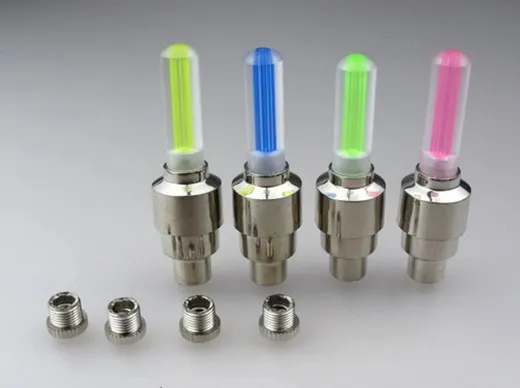
Wheel lights are purely decorative and do not provide any illumination for the rider. However, they are an excellent way to make the bike more visible to motorists from the side. Wheel lights come in different colors and designs, adding a fun and stylish touch to your ride. Some wheel lights are motion-activated, meaning they turn on when you start pedaling and turn off when you stop. Others are battery-powered and need to be manually turned on and off. While wheel lights do not substitute for headlights or taillights, they can enhance overall visibility and add flair to your ride.
Benefits of Investing in Quality Bicycle Lights
One of the most significant benefits of investing in high-quality bicycle lights is improved safety. While biking on poorly lit roads or during inclement weather, cyclists are at risk of accidents due to decreased visibility. Quality bicycle lights help prevent such mishaps by providing bright illumination that allows bikers to see and be seen by others on the road. This added visibility can also be beneficial for riders who prefer early morning or late evening rides, when natural light is low.
Another key advantage of investing in quality bicycle lights is increased visibility. Cyclists need to remain visible to other motorists on the road, especially during night rides or in areas with low visibility. A good set of lights can provide this necessary visibility, ensuring that drivers can see bicyclists from afar and take appropriate measures to avoid accidents. Moreover, some bicycle lights come equipped with blinker modes that can be set to attract attention from other drivers, further enhancing safety.
Durability is another critical factor to consider when purchasing bicycle lights. Cheap bike lights may run out of battery quickly or fail to withstand harsh weather conditions, which can leave cyclists stranded in emergency situations. In contrast, quality bicycle lights are built with sturdy materials and are designed to last longer. Many leading brands offer waterproof lights that can withstand rain, snow, or even extreme temperatures. These durable lights are also less prone to damage from falls or other accidents, making them an excellent investment for long-term use.
Battery life is yet another essential factor to consider when selecting bicycle lights. Low-quality lights may not last more than a few hours before requiring a recharge or replacement. Investing in quality lights ensures extended battery life, allowing cyclists to ride longer distances without worrying about battery depletion. Some advanced models even come with USB charging ports, enabling cyclists to charge their lights on-the-go using portable power banks or other sources.
Cost-Effective Options
When it comes to bicycle lights, there are two main types: front lights and rear lights. Front lights help you see the road ahead, while rear lights help other road users see you from behind. Both types of lights come in a range of different styles and price points, so it's essential to consider your needs and budget when making a purchase.
One cost-effective option for high-quality bicycle lights is to invest in rechargeable lights. While these lights may have a higher upfront cost than their battery-powered counterparts, they can save you money in the long run. Rechargeable lights typically have a longer lifespan than battery-powered lights, which means you won't need to replace them as often. Additionally, you won't need to keep buying new batteries, which can add up over time.
Another cost-effective option is to opt for LED lights. LED lights use less energy than traditional halogen bulbs, which means they last longer and use less power. This means you'll save money on replacement bulbs and batteries over time. Additionally, LED lights are often brighter than halogen bulbs, which can improve your visibility on the road.
When it comes to choosing between different brands and models of bicycle lights, it's important to consider the durability and reliability of the product. While cheaper lights may seem like a good deal at first, they may not last as long or perform as well as more expensive options. Investing in high-quality, durable lights may cost more upfront, but it can save you money and hassle in the long run.
In conclusion, there are several cost-effective options for high-quality bicycle lights that can help you stay safe and seen on the road. Rechargeable lights and LED lights are both excellent choices that can save you money over time. Additionally, investing in durable and reliable lights can prevent you from needing to replace them frequently, saving you money and hassle in the long run. Ultimately, it's important to consider your needs and budget when selecting a set of bicycle lights to ensure you get the best value for your money.
FAQ
Q1. Why is investing in quality bicycle lights necessary for commuting?
Investing in quality bicycle lights is essential for commuting because it helps to ensure the safety of the cyclist. Commuting during low light conditions such as early morning or late at night can be risky and dangerous if proper lighting is not used. Quality bicycle lights provide brightness and visibility that makes it easier for motorists and other road users to spot cyclists, reducing the risk of accidents.
Q2. What types of bicycle lights should I invest in?
There are different types of bicycle lights available in the market, including front lights, rear lights, and combination lights. Front lights help to illuminate the rider's path, while rear lights alert motorists and other road users about the presence of a cyclist. Combination lights have both functions, making them a useful investment for commuters who ride in low light conditions. Additionally, look for lights with high lumens to ensure they provide sufficient brightness, rechargeable batteries, and durable build quality due to frequent use.See More: Top 10 USB Rechargeable Batteries on the Market in 2023
Q3. How long do bicycle lights last on a single charge?
The duration of bicycle lights on a single charge varies depending on the type of lights and their battery capacity. The higher the lumens and battery capacity, the longer the lights will last on a single charge. For example, some high-end lights can last up to 12 hours on a single charge, while others may only last three to four hours. It's important to consider the duration of the lights before purchasing and make sure they last enough for your regular commute.
Q4. Are inexpensive bicycle lights just as good as more expensive options?
Inexpensive bicycle lights may seem like a bargain, but they often lack sufficient brightness and durability compared to more expensive options. Investing in quality bicycle lights ensures that you get bright and reliable lights that can withstand frequent use and harsh weather conditions. Additionally, high-quality bicycle lights usually come with additional features such as multiple brightness settings, easy-to-mount designs, and varying modes, making them worth the investment.
Recommended related content
Why investing in high-quality photo frames is worth it in the long run
What Are the Best Bicycle Glasses for Commuting?
The Benefits of Investing in Quality White Leather Shoes for Men
Why Investing in a Quality Sporting Jacket is Worth Every Penny
