
How to Choose the Right Wheels Rims for Your Vehicle
Upload time :August 31, 2023
Shares
Reads
When shopping for wheels rims, there are several factors to consider to ensure the perfect fit for your vehicle. Firstly, measure the wheel size and bolt pattern, and check if the wheels fit with your car’s brakes and suspension system. Matching the wheels’ offset to your car’s wheel well is also important. Secondly, choose the right material for your needs – aluminum offers a balance of strength, lightness, and affordability, while steel is cheaper but heavier than aluminum and ideal for winter driving. Forged wheels are strong and lightweight, but come at a premium cost. Thirdly, choose a style that complements your vehicle’s body shape and color, and consider the finish of the wheels, such as polished, painted, or machined. Finally, set a budget for your purchase and think about the long-term maintenance cost of your wheels rims. Proper maintenance is key to prolonging the life of your rims.
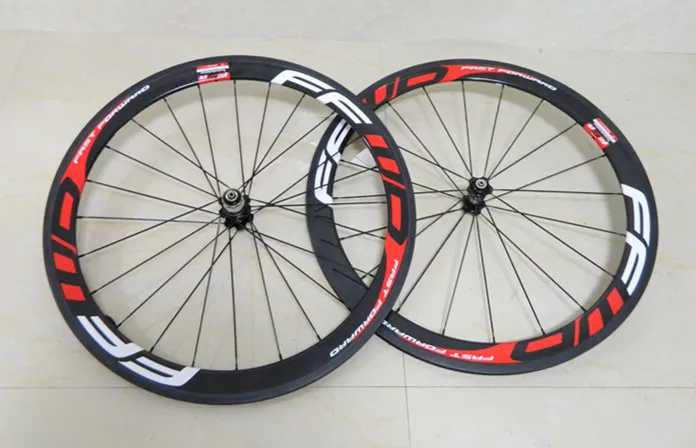 Buy NowSee More: Wholesale Products
Consider the size and fit
The first consideration when it comes to wheel size and fit is measuring the wheel size and bolt pattern. Measuring the wheel size is essential because it determines the diameter of the wheel. If the wheel is too small or too big for your car, it can cause problems in the suspension system, which can lead to poor handling and a bumpy ride. Additionally, measuring the bolt pattern ensures that the wheel bolts correctly onto the hub assembly.
Another critical factor to consider is whether the wheels fit with your car's brake system. When purchasing new wheels, it is vital to check if they clear your car's brake calipers. Otherwise, it can cause rubbing and potentially damage the brake system, leading to costly repairs. To ensure that the wheels fit perfectly, check the clearance between the wheel and the brake system.
Matching the wheel offset to your car's wheel well is also an essential aspect to consider. The offset refers to how far the wheel sits from the hub. If you do not match the wheel offset to your car's wheel well, it can cause issues with the steering and suspension systems. This can lead to uneven wear on your tires, making them wear out faster than usual.
Decide on the material
When it comes to wheels rims, one of the most important decisions you'll make is choosing the right material. There are several options available, each with its own advantages and disadvantages. In this article, we'll take a closer look at three popular materials: aluminum, steel, and forged.
Aluminum Wheels Rims
Aluminum is the most popular material for wheels rims, and for good reason. It offers a balance of strength, lightness, and affordability. Aluminum wheels rims are usually cast, which means they're made by melting aluminum and pouring it into a mold. This process allows for complex designs and makes aluminum wheels rims easier to produce than other materials.
One of the biggest advantages of aluminum wheels rims is their weight. They're generally much lighter than steel wheels rims, which can improve your car's handling and acceleration. In addition, aluminum wheels rims are less prone to rust than steel wheels rims, which makes them a great choice for areas with a lot of salt on the roads in winter months.
Steel Wheels Rims
Steel wheels rims are cheaper than aluminum wheels rims, but they're also heavier. This makes them ideal for winter driving because they provide better traction in snowy or icy conditions. Steel wheels rims are more durable than aluminum wheels rims and can withstand more abuse without getting damaged.
However, steel wheels rims have their drawbacks. They're less stylish than aluminum wheels rims and don't offer the same level of performance. They can also rust over time, which makes them less appealing aesthetically and can potentially compromise their structural integrity.
Forged Wheels Rims
Forged wheels rims are the most expensive option, but they offer unparalleled strength and lightweightness. Forged wheels rims are made by heating a block of aluminum or steel and then forging it into shape using high-pressure machinery. This process compresses the metal molecules, making it stronger and more resilient.
For those who want the best possible performance from their car, forged wheels rims are the way to go. They're incredibly strong and can handle a lot of abuse without getting damaged. In addition, they're much lighter than cast wheels rims, which can improve your car's handling and accelerate faster.
Choose a style
As a wheels rims consumer, you are looking to add some style to your vehicle while also improving its performance. With so many options available in the market, it can be overwhelming to choose the right set of wheels for your car or truck. In this article, we will delve into the different types of wheels rims available, how to determine which style complements your vehicle, and what to consider when it comes to finish.
Different types of wheel rims available in the market:
1) Alloy Wheels: These are made from a blend of aluminum and magnesium. They offer improved performance compared to steel wheels, such as lighter weight and better heat conduction. They also come in various designs and finishes.
2) Steel Wheels: These are made from steel and are often the standard option for most vehicles. They are durable and affordable, but they are also heavier than alloy wheels and do not offer as much customization.
3) Forged Wheels: These are made from solid blocks of aluminum or other metals. They offer superior strength and durability, making them a popular choice for high-performance cars.
4) Spinning Wheels: These feature a rotating hubcap that spins independently of the wheel. They are purely decorative and do not improve performance.
Determine which style complements your vehicle’s body shape and color:
When choosing a style for your wheels rims, you want to ensure that they complement your vehicle's body shape and color. For example, if you have a sporty car, a set of sleek alloy wheels with a glossy black finish would be a great choice. On the other hand, if you have a classic car, a set of chrome-plated steel wheels would be a perfect fit.
Consider the finish, such as polished, painted, or machined:
The finish of your wheels rims is another important factor to consider. A polished finish gives a mirror-like shine and is perfect for those who want a flashy look. A painted finish offers more customization options, allowing you to match your wheels to your car's color scheme. A machined finish offers a more subtle look, with a textured surface that reflects light in a unique way.
Budget and maintenance
First and foremost, setting a budget is crucial. Wheels rims come in a wide range of prices, and it's easy to get carried away with the latest models that may be out of your price range. Determine how much you're willing to spend on this upgrade, keeping in mind that cheaper options may not always be the best choice. Investing in higher-quality wheels rims may save you money in the long run as they tend to be more durable and require less frequent replacement.
Maintenance costs should also be taken into account when choosing wheels rims. Different materials and finishes require varying degrees of upkeep. For example, chrome wheels rims need regular cleaning and polishing to maintain their shine, while painted or powder-coated wheels rims may require touch-ups if they become chipped or scratched. It's essential to consider these factors before making a purchase, as neglecting maintenance can lead to premature wear and tear, reducing the lifespan of your investment.
Proper maintenance of wheels rims is critical to keep them looking their best and lasting as long as possible. One of the most important things to do is to keep them clean and free of debris like dirt and brake dust. Regular washing with mild soap and water or specific wheel cleaners will help prevent buildup that can cause damage over time. Additionally, avoiding harsh chemicals or abrasive materials when cleaning is essential to avoid scratching or dulling the finish.
In conclusion, purchasing wheels rims is an exciting upgrade for any car enthusiast. However, it's vital to consider your budget and maintenance costs before making a purchase to ensure you're getting the right product for your vehicle and lifestyle. Proper maintenance practices are also essential to extend the lifespan of your wheels rims and keep them looking their best over time. Taking these factors into account will help you make an informed decision and enjoy the benefits of this modification for years to come.
FAQ
Q: What is the difference between wheel rims and wheels?
A: The wheel rim is the outermost part of the wheel that holds the tire in place, while the wheel refers to the entire assembly including the rim, spokes, and hub.
Q: How do I determine the correct size of wheel rims for my vehicle?
A: The size of wheel rims you need will depend on several factors such as the make and model of your vehicle, its weight, and the type of driving you plan to do. Most vehicles come with a recommended tire size and rim diameter that you should stick to when choosing new rims. You can also consult an expert or use online tools to help you find the right size.
Q: What materials are used to make wheel rims?
A: Wheel rims are commonly made from aluminum alloy, steel, or carbon fiber. Aluminum alloy is lightweight and durable, making it a popular choice for most vehicles. Steel rims are heavier but less expensive than alloy rims and are ideal for heavy-duty vehicles such as trucks. Carbon fiber rims are the lightest and strongest, but also the most expensive.
Q: Can I install any type of wheel rims on my vehicle?
A: Not all wheel rims are compatible with all vehicles. It's important to choose rims that are specifically designed for your car's make and model to ensure proper fitment and performance. Additionally, some aftermarket rims may require modifications to your vehicle's suspension or brake system which could affect its safety and handling. Always consult with a professional before installing any new rims on your vehicle.
