
How to Properly Fit and Wear Shin Pads for Maximum Protection and Comfort
Upload time :December 1, 2023
Shares
Reads
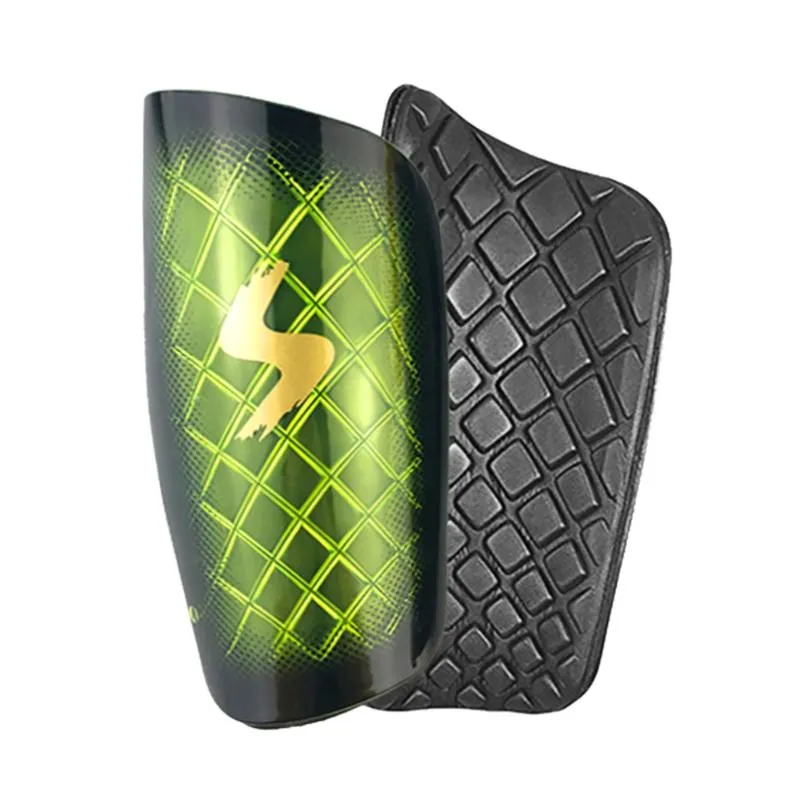
As a shin pad consumer, it's important to choose the right size for maximum protection and comfort during your sports activities. In this article, we'll guide you through measuring your leg size and understanding the different sizes available in the market to determine the appropriate size to purchase. Proper fitting is also crucial, and we'll provide tips for wearing the correct socks, positioning the shin pad on your leg, and securing it with straps or sleeves. Additionally, we'll share advice on ensuring proper coverage of the shin, checking for discomfort or irritation, and adjusting the fit as needed. Lastly, we'll discuss how to maintain and care for your shin pads properly by cleaning and sanitizing after each use, storing them correctly, and replacing worn-out or damaged shin pads.
Choosing the Right Size Shin Pads
Shin pads are an essential piece of protective gear for any player participating in contact sports such as soccer, football, or hockey. It is imperative that the shin pads fit correctly to ensure maximum protection. A well-fitted shin pad not only reduces the risk of injury but also provides comfort and confidence on the field.
Measurement of Leg Size
The first step towards selecting the right shin pad is to measure the leg size. This measurement should be taken at the widest point of the calf muscle. This will help determine the length of the shin pad required. Typically, shin pads come in sizes ranging from extra small to extra-large. The foot size of the player is also important to consider, as it can affect the overall fit of the shin pad.
Understanding the Different Sizes Available in the Market
Shin pads come in various shapes and sizes. They are typically categorized based on age groups and playing positions. For instance, youth players usually wear smaller shin pads than adult players. Goalkeepers require more extensive shin pads for added protection, while midfielders prefer smaller shin pads for greater mobility.
Determining the Appropriate Size to Purchase
Once the leg size has been measured, and the different types of shin pads have been understood, it is time to determine the appropriate size to purchase. A general rule of thumb is to select a shin pad that covers at least two-thirds of the leg's length from the ankle to the knee. If the shin pad is too short, it leaves the player's shin exposed to injury. If it is too long, it can hinder movement and cause discomfort.
It is also essential to check the width of the shin pad. A narrow shin pad may not cover the sides of the leg, leaving it susceptible to injury. On the other hand, a broader shin pad may restrict movement and cause discomfort.
How to Properly Fit Shin Pads
A. Wearing the Correct Socks
The first step in fitting your shin pads is to wear the correct socks. It is recommended to wear a pair of lightweight, moisture-wicking socks that fit snugly around your leg. Avoid wearing thick or padded socks as they may affect the fit of the shin pads.
B. Positioning the Shin Pad on the Leg
Next, position the shin pad on your leg, making sure that it covers the entire length of your shin bone. The shin pad should start just below the knee and end approximately 2 inches above the ankle. The center of the shin pad should align with the center of your shin bone.
C. Securing the Shin Pad with Straps or Sleeves
Once you have positioned the shin pad correctly, you need to secure it in place. There are two common ways to do this - using straps or sleeves.
Straps: Most shin pads come with Velcro straps that secure the pad to your leg. It is recommended to fasten the bottom strap first, followed by the middle and top strap. Make sure the straps are not too tight or loose, as they may cause discomfort or even slide off during physical activity.
Sleeves: Some shin pads come with built-in sleeves, which slip over your leg like a sock. If your shin pad has sleeves, make sure they fit snugly around your leg, without being too tight or cutting off circulation.
It is important to note that shin pads should be snug but not overly tight, as this can impede circulation and restrict movement. On the other hand, shin pads that are too loose may not provide adequate protection and may shift during physical activity, leaving your shins vulnerable to injury.
Tips for Maximum Protection and Comfort
First and foremost, make sure your shin pads properly cover your shins. This may seem obvious, but many players wear pads that are either too small or too big. Your shin pads should cover your entire shin bone, from just below the knee to above the ankle. If your pads don't cover enough, you run the risk of injury. If they cover too much, they may restrict your movement.
It's also important to check for any discomfort or irritation while wearing your shin pads. You don't want to be distracted by discomfort during gameplay. Make sure your pads don't rub against your skin or dig into your legs. If you experience any discomfort, try adjusting the fit before resorting to a different brand or style of shin pad. Some pads have adjustable straps that allow you to customize the fit to your leg.
When adjusting the fit, pay attention to how tight your shin pads are. They should fit snugly, but not so tight that they cut off circulation. A common mistake players make is over-tightening their shin pads in an attempt to keep them in place. However, this can lead to discomfort and even injury. If your shin pads slip down during gameplay, try adjusting the straps rather than making them tighter.
Another tip for maximum comfort and protection is to invest in high-quality shin pads. While cheaper options may seem appealing, they often lack proper padding and support. Look for shin pads made with durable materials and ample padding. Additionally, consider the type of game you'll be playing when selecting shin pads. For example, soccer players may prefer lightweight shin guards that allow for more mobility, whereas hockey players may opt for thicker, heavier pads for more protection.
Finally, remember to take care of your shin pads. After each use, wipe them down with a damp cloth to remove sweat and dirt. Allow them to air dry completely before storing them in a safe place. Proper maintenance will help prolong the life of your shin pads and ensure they continue to provide maximum protection and comfort.
Maintenance and Care of Shin Pads
First and foremost, it is important to clean and sanitize your shin pads after every use. This not only ensures that they are free from odor-causing bacteria, but also helps to prevent the spread of infections. To clean your shin pads, simply wipe them down with a damp cloth or sponge, using mild soap if necessary. Be sure to pay special attention to any areas where sweat may have accumulated, such as the inside of the pads or the straps. After wiping them down, allow your shin pads to air dry completely before storing them.
Proper storage is another crucial element in maintaining the lifespan and effectiveness of your shin pads. To avoid damage to the padding, avoid folding them in half or leaving heavy items on top of them. Instead, store your shin pads flat in a cool, dry place. If you prefer to keep them in a bag or backpack, make sure that there is enough room for them to lie flat without being crushed or bent.
Finally, it is important to replace worn out or damaged shin pads as soon as possible. Over time, the padding in shin pads can become compressed or lose its protective properties. Signs that it is time to replace your shin pads include cracks in the plastic shell, tears in the padding, or a loose fit. Investing in a new pair of shin pads will not only provide better protection for your legs, but also help to prevent injuries that could sideline you from the game.
In conclusion, proper maintenance and care of your shin pads is critical to their effectiveness and longevity. Cleaning and sanitizing after each use, proper storage to prevent damage, and replacing worn out or damaged shin pads are all essential elements of keeping your shin pads in top condition. By following these simple steps, you can ensure that your shin pads provide the protection you need to stay safe and injury-free on the field.
FAQ
Q1. Why is it important to properly fit and wear shin pads?
Properly fitting and wearing shin pads is crucial for maximum protection and comfort during sports activities that involve kicking or contact with other players. Shin pads are designed to absorb impact and protect the lower leg from injury, and a poorly fitted or worn shin pad can leave vulnerable areas exposed and increase the risk of injury.
Q2. How do I choose the right size of shin pads for me?
To choose the right size of shin pads, measure the distance between your ankle and knee. Most shin pads come in sizes ranging from extra small to extra large, so select a size that matches your measurements. Additionally, try on several different brands and models of shin pads to find the one that fits snugly and comfortably.
Q3. How should I position my shin pads for maximum protection?
To ensure maximum protection, position your shin pads correctly by placing them directly over the shin bone and securing them tightly with the straps. The top of the shin pad should be just below the knee cap, while the bottom should cover the ankle bone. Make sure the shin pad fits snugly and doesn't shift around during movement.
Q4. How do I care for my shin pads to ensure longevity?
To prolong the lifespan of your shin pads, follow these tips:
- After each use, wipe down the shin pads with a damp cloth to remove sweat and dirt.
- Allow the shin pads to air dry completely before storing them.
- Store the shin pads in a cool, dry place away from direct sunlight and moisture.
- Avoid leaving the shin pads in a closed bag or container for extended periods of time as this can cause mold or mildew to develop.
By following these simple steps, you can ensure that your shin pads last for many seasons to come and provide the maximum protection and comfort needed for your active lifestyle.
Buy Now
See More: Wholesale Products
Recommended related content
How to Style Wrapped Pants for a Chic and Comfortable Look
How to properly wear and adjust your face respirator mask for ultimate protection
How to Choose the Right Bib Cycling Shorts for Maximum Comfort
How to style gold chain necklaces for a trendy and chic look.
How to Properly Maintain Your Golf Gloves for Maximum Performance
