
The Science Behind Bike Derailleurs: Understanding How They Work and Why They Matter
Upload time :November 30, 2023
Shares
Reads
Understanding the Mechanics of Derailleurs: A Guide for Bike Enthusiasts
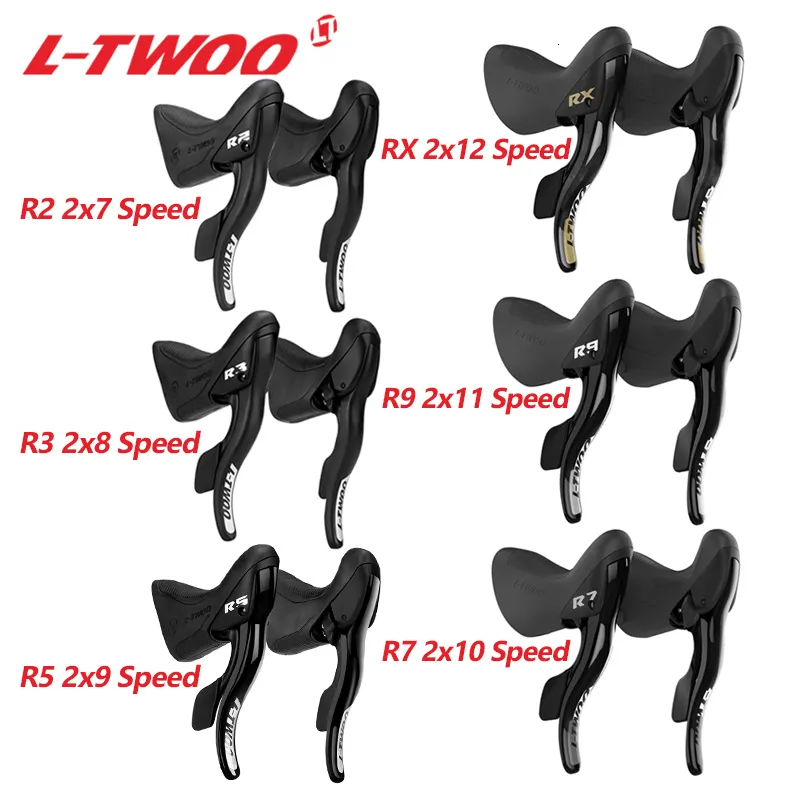
Buy Now
See More: Wholesale Products
Bike derailleurs are complex systems that play a crucial role in shifting gears while cycling. This article explains how they work and the different types available on the market. However, there are several factors that can affect the performance of these systems, such as chain tension, cable wear, and derailleur alignment. To ensure a smooth ride, it's essential to maintain your bike's derailleur system regularly. In this article, you'll discover valuable tips for DIY maintenance and when to seek professional help. Whether you're a seasoned cyclist or new to biking, understanding the mechanics of derailleurs can improve your ride experience and keep you safe on the road.
The Mechanics of Derailleurs
Firstly, let's look at how derailleurs work. When a rider shifts gears using the shifters on the handlebars, a cable is pulled or released. This cable is connected to the derailleur, which responds by moving the chain from one sprocket to another. The front derailleur moves the chain between the chainrings, while the rear derailleur moves the chain up and down the cassette.
One of the most important components of a derailleur is the jockey wheels. These small wheels guide the chain as it moves between the sprockets. The lower jockey wheel is spring-loaded, which allows it to take up the slack in the chain when shifting gears. The upper jockey wheel is fixed and helps to maintain tension in the chain.
There are two main types of derailleurs: mechanical and electronic. Mechanical derailleurs use cables to move the chain, as described above. Electronic derailleurs, on the other hand, use a battery-powered motor to shift gears. This type of derailleur is becoming increasingly popular due to its precise and instant shifting.
Within each type of derailleur, there are also different styles to choose from. For example, road bikes typically use a front derailleur with a clamp-on design, while mountain bikes often have a direct-mount front derailleur. Rear derailleurs can also vary in design, with some featuring a long cage for use with wide-range cassettes.
Ultimately, the type of derailleur you choose will depend on your riding style and preferences. If you value precision and ease of use, an electronic derailleur may be the way to go. If you prefer a more traditional approach, a mechanical derailleur might be a better fit.
Factors that Affect Performance
Chain tension refers to the pressure exerted by the bike's chain on the derailleur system. When the chain is too loose or too tight, it can cause problems with gear shifting. If the chain is too loose, it might slip off the sprocket teeth, causing the bike to lose momentum. On the other hand, if the chain is too tight, it can lead to excessive friction between the chain and the sprockets, leading to accelerated wear and tear.
Cable wear is another factor that can affect the bike's derailleur system's performance. The cables that connect the shifters to the derailleur are susceptible to wear and tear over time. As the cables stretch and fray, they can lose their ability to transmit accurate signals to the derailleur, leading to sluggish or erratic shifting. Regular maintenance and replacing worn-out cables can help ensure the derailleur system's proper functioning.
Derailleur alignment is also a critical aspect that affects the bike's gear shifting performance. A misaligned derailleur can cause the chain to rub against the front or rear derailleur, resulting in noise and reduced efficiency. Moreover, a bent or damaged derailleur hanger can lead to poor gear shifting and make it challenging to maintain the right chain tension. It is essential to have the derailleur system checked periodically for any alignment issues or damages and get them repaired promptly.
Proper maintenance and care can help mitigate the impact of these factors on the derailleur system's performance. Regularly cleaning and lubricating the chain and sprockets can reduce wear and prevent the accumulation of dirt and debris. Checking the chain tension and adjusting it as necessary can help ensure smooth gear shifting. Additionally, getting the bike serviced by a professional mechanic regularly can help identify and fix any issues with the derailleur system before they worsen.
Importance of Maintenance
One of the most basic maintenance tasks is cleaning the derailleur regularly. Dirt and debris can accumulate on the derailleur, which can cause friction and make gear shifting difficult. To clean the derailleur, you can use a soft brush or cloth to remove any dirt or grime. Additionally, lubricating the components with bike oil can help reduce friction and improve the performance of the derailleur.
Another important maintenance task is adjusting the derailleur. Over time, cables may stretch and cause the derailleur to become misaligned. This can cause gear shifting issues, such as skipping gears or difficulty shifting. Adjusting the derailleur involves making small tweaks to the cable tension and alignment, which can be done using a simple set of tools. However, if you are not confident in your abilities, seeking professional help is always an option.
Regular inspections can also help prevent major issues from arising. Checking for loose bolts, worn-out parts, and damaged cables can help identify potential problems before they become major ones. If you notice any issues during an inspection, it is best to address them immediately to avoid further damage.
It is essential to note that some tasks, such as replacing the derailleur or other major components, should be left to professionals. Attempting to replace these parts without proper knowledge and tools can result in more severe damage to the bike or even cause accidents while riding.
In conclusion, regular maintenance and adjustments are crucial for keeping a bike’s derailleur system functioning properly. Simple tasks like cleaning and lubricating the components, along with periodic inspections, can go a long way in preventing issues and prolonging the lifespan of the bike. However, it is important to know your limits and seek professional help when required, especially for more complex tasks. With proper maintenance and care, you can enjoy a smooth and safe riding experience for years to come.
FAQ
Q1. How do bike derailleurs work?
Bike derailleurs are responsible for shifting the chain between gears on a bicycle. The derailleur consists of two important parts: the parallelogram and the cage. The parallelogram is a mechanism that moves the cage closer to or further away from the gears on the rear wheel. When you shift gears, the mechanism moves the cage so that the chain jumps to the next gear on the cassette.
Q2. Why are bike derailleurs important?
Bike derailleurs are essential for changing gears quickly and smoothly. Without them, shifting gears would be much more difficult, and it would be challenging to keep up with other cyclists on the road. In addition to making cycling easier, derailleurs also help prevent damage to chains and wheels by allowing riders to find the ideal gear ratio for their pedaling effort.
Q3. How can I tell if my bike's derailleur needs adjustment?
If your bike's derailleur is not adjusted correctly, you may notice issues such as difficulty changing gears, hesitation or slipping when shifting, or erratic chain movement. To check if your derailleur needs adjustment, place your bike in a stand or flip it over and spin the pedals while shifting through all of the gears. If you notice any issues, such as missed shifts or grinding noises, it may be time to adjust your derailleur.
Q4. Can I upgrade my bike's derailleur?
Yes, you can upgrade your bike's derailleur to improve performance or accommodate different types of riding. It's important to choose a derailleur that is compatible with your bike's drivetrain and has the correct number of gears. Higher-end derailleurs may offer smoother shifting, lighter weight, and better durability compared to lower-end models. However, it's essential to consider the cost-benefit of upgrading a derailleur, as it may not always be necessary based on your riding style and needs.
Recommended related content
The Science Behind the Bubble Spinner: How It Works
The Art of Snake Handling: Understanding the Behavior and Physiology of Cobras
The Science Behind LED Lighters and How They're More Eco-Friendly
he Science Behind Hypoallergenic Earrings: How They Can Help Prevent Allergic Reaction
The Science Behind Japan's Sudden Heavy Rains: Understanding the Causes and Effects
