
How to Choose the Perfect Micro Camera for Your Needs
Upload time :December 5, 2023
Shares
Reads
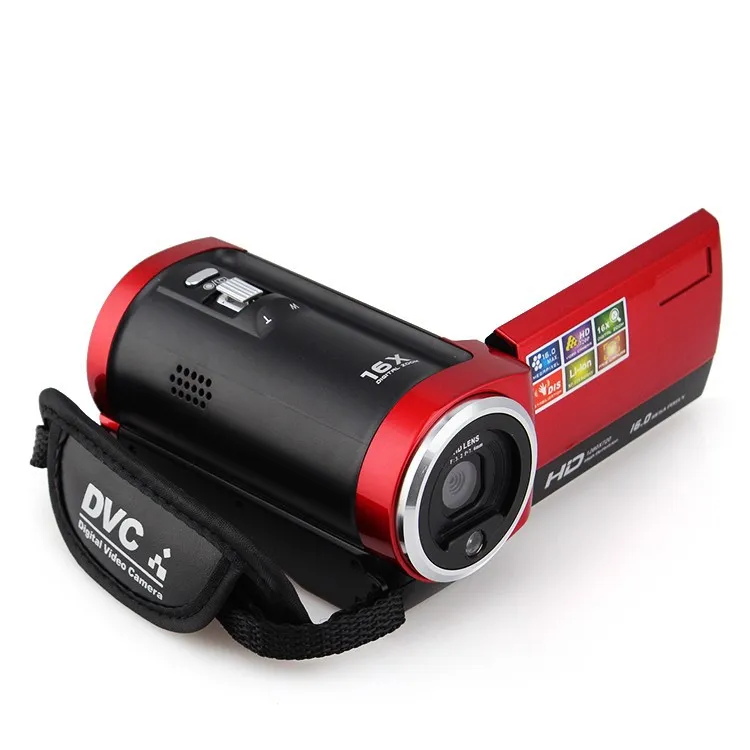
Micro cameras are becoming increasingly popular among consumers, with a variety of options available for different needs. Before making a purchase, it's important to determine your specific needs, such as whether you'll be using the camera in low-light conditions or require built-in Wi-Fi or GPS. Sensor size and resolution also play a crucial role in image quality, so it's important to choose the right combination for your requirements. There are several lens options available, including fixed and interchangeable lenses, so it's essential to consider which type will work best for you. Other factors to keep in mind include battery life, storage capacity, and durability/weather resistance. By carefully evaluating your needs and researching the available options, you can find the ideal micro camera to suit your requirements.
Buy Now
See More: Wholesale Products
Determine Your Needs
First and foremost, ask yourself what you plan to use the micro camera for. Are you looking to capture action-packed footage while skiing or skydiving? Do you want a discreet camera that can be easily hidden for surveillance purposes? Or maybe you're a nature enthusiast who wants to capture stunning wildlife shots.
Once you've determined what you'll be using the camera for, think about the lighting conditions you'll be shooting in. If you plan on using the camera primarily outdoors, in bright daylight, then a basic model may suffice. However, if you're planning on shooting in low-light conditions, such as at night or indoors, you'll want to look for a camera that's specifically designed for better performance in those situations.
Another thing to consider is whether you need built-in Wi-Fi or GPS. If you want to be able to instantly share your photos or videos on social media, then a camera with built-in Wi-Fi will allow you to do so easily and conveniently. On the other hand, if you plan on using your camera for geotagging or tracking your movements, then built-in GPS is a must-have feature.
There are also other features to consider, depending on your specific needs. For example, some micro cameras come with waterproof casings that allow you to take them underwater, while others have image stabilization technology that helps prevent shaky footage. Some models offer a wider range of shooting modes than others, allowing you to experiment with time-lapse, slow motion, and other creative effects.
Sensor Size and Resolution
Sensor Size and Image Quality:
The sensor size is the physical dimensions of the image sensor. The larger the sensor size, the more light it can capture, resulting in better image quality. A larger sensor size allows for greater dynamic range, meaning you can capture more detail in both bright and dark areas of your photos.
When it comes to sensor size, micro cameras typically have smaller sensors than traditional DSLR or mirrorless cameras. However, there are still options available that offer larger sensors such as the Sony RX100 series or Panasonic Lumix LX100 II.
It’s important to note that a larger sensor size also means a larger and more expensive camera. So, if you’re looking for a compact and affordable option, a smaller sensor may be suitable for your needs.
Resolution:
Resolution is the number of pixels a camera captures. The higher the resolution, the more detail in your images. However, a higher resolution also means larger file sizes, which can fill up your storage quickly.
When choosing the right resolution for your needs, it’s important to consider what you will be using the images for. If you’re only sharing photos on social media or printing small prints, a lower resolution may suffice. However, if you plan on printing large-scale images or cropping heavily, a higher resolution may be necessary.
Most micro cameras offer resolutions ranging from 12-24 megapixels, which should be sufficient for most casual photographers.
Lens Options
Firstly, let's take a look at fixed lenses. As the name suggests, these lenses have a fixed focal length and cannot be adjusted. However, they are often smaller and lighter than other types of lenses, making them an ideal choice for micro cameras that need to remain as compact as possible. Fixed lenses are also known for producing sharp images and can be great for capturing specific types of shots, such as wide-angle or telephoto shots.
Another option is a zoom lens. These lenses allow you to adjust the focal length, meaning you can zoom in or out on your subject without having to physically move closer or further away. Zoom lenses can be particularly useful in situations where you may not be able to physically get close to your subject, such as wildlife photography. They can also be handy for capturing different types of shots without having to switch lenses constantly.
If you're looking for a lens that can capture high-quality, detailed images, then a prime lens may be the way to go. Prime lenses have a fixed focal length like fixed lenses but are typically larger and heavier. However, they are known for producing incredibly sharp images with little distortion and can be great for portrait photography or capturing intricate details. Some prime lenses also have a wider aperture, which can help to create a shallow depth of field and achieve that coveted blurred background effect.
Finally, there are specialty lenses, which include fish-eye lenses, tilt-shift lenses, and macro lenses. Fish-eye lenses can give you a unique, distorted perspective on your subject, while tilt-shift lenses can help to correct perspective distortion. Macro lenses, on the other hand, are designed for extreme close-up shots, allowing you to capture incredible detail in even the tiniest of subjects.
So how do you choose the right lens for your needs? Firstly, consider what type of shots you'll be taking most often. If you need to capture a wide range of shots, then a zoom lens may be the best choice. If you're looking to capture specific types of shots, such as portraits or intricate details, then a prime lens could be ideal. It's also worth considering factors such as weight, size, and price when making your decision.
Other Considerations
One important consideration for micro camera consumers is battery life. Since these cameras are typically small and portable, they often rely on smaller batteries that may not last as long as those found in larger cameras. Therefore, it is important to look for a micro camera with a battery that can provide adequate power for your needs. Consider how long you will be using the camera, whether you plan to take videos or photos, and if you will be able to charge the battery while on the go.
Another factor to keep in mind when shopping for a micro camera is storage capacity. Micro cameras often have limited internal storage, so it’s important to choose one that has a slot for external memory cards. This will allow you to store more images and videos without having to constantly transfer files to a computer or other device. Be sure to choose a memory card that is compatible with your camera and has enough storage space for your needs.
Durability and weather resistance are also important considerations for micro camera consumers. These cameras are often used in outdoor settings, where they may be exposed to harsh weather conditions, dirt, and dust. Look for a camera that is built to withstand the elements and has a durable construction that can handle rough use. Some micro cameras are even waterproof or shockproof, which can be particularly useful for outdoor enthusiasts and adventurers.
Overall, when choosing a micro camera, it is important to consider all of the features and specifications that are important to you. By taking the time to research different options and reading reviews from other consumers, you can find a camera that fits your needs and budget. Whether you’re looking for a camera for travel, sports, or everyday use, there are many great options available that offer high-quality images and advanced features.
FAQ
Q1. What factors should I consider when choosing a micro camera?
When choosing a micro camera, the most important factors to consider are resolution, frame rate, lens quality, size, and weight. The higher the resolution and frame rate, the better the video quality will be. A good quality lens will also improve the overall image quality. Size and weight depend on your intended use for the camera, as smaller and lighter cameras are easier to carry around.
Q2. What are some popular micro cameras on the market?
Some popular micro cameras include the GoPro HERO series, DJI Osmo Action, Sony RX0 II, and Insta360 ONE R. Each camera has its own unique features and specifications, so it is important to compare them before making a purchase.
Q3. Can I use a micro camera for professional videography?
Yes, micro cameras can be used for professional videography depending on their specifications. For example, the Sony RX0 II has a 1-inch sensor and shoots 4K video, making it suitable for professional use. However, it is important to note that micro cameras typically have limited manual controls compared to larger cameras, which may affect their functionality for certain types of professional videography.
Q4. Do I need any accessories for my micro camera?
The type of accessories you need will depend on your intended use for the camera. Some popular accessories for micro cameras include mounts, tripods, batteries, and storage cards. It is important to check the compatibility of the accessories with your specific camera model before purchasing.
Recommended related content
How to Choose the Perfect Football Bag for Your Needs
How to Choose the Perfect Bubble Machine for Your Needs
How to Choose the Perfect Soap Container for Your Home
ow to Choose the Perfect Mini Camera for your Photography Need
