
What are the best ways to clean a thick blanket?
Upload time :December 21, 2023
Shares
Reads
When it comes to cleaning a thick blanket, there are a few key steps you should follow to ensure that the process is effective and gentle on the fabric. First and foremost, it's important to give the blanket a good vacuuming before you begin washing it. This will help to remove any loose dirt, dust, or debris that may have accumulated on the surface of the material.
Next, you'll want to use a gentle detergent and cold water when washing the blanket. Avoid using hot water, as this can cause the fibers of the fabric to break down over time. Instead, opt for a mild detergent designed specifically for delicate fabrics. Be sure to read the label carefully to ensure that the detergent is appropriate for your particular type of blanket.
Finally, once the blanket has been washed, it's best to air dry it or tumble dry it on low heat. High heat can damage the fibers of the fabric and cause shrinkage, so it's important to be gentle during the drying process. By following these simple steps, you can keep your thick blankets looking and feeling clean and fresh for years to come.
1. Vacuum before washing.
Why You Should Vacuum Before Washing
Vacuuming your blanket before washing serves several purposes:
1. Removes Surface Debris: A thick blanket can accumulate dust, dirt, and other debris over time, making it look dirty and unappealing. By vacuuming first, you can remove any loose particles sitting on top of the fabric and prevent them from clogging up your washing machine.
2. Reduces Lint: If you're planning to use a dryer after washing your blanket, you'll want to minimize the amount of lint that gets produced. Vacuuming helps remove any loose fibers and hair that may contribute to excess lint buildup during the drying process.
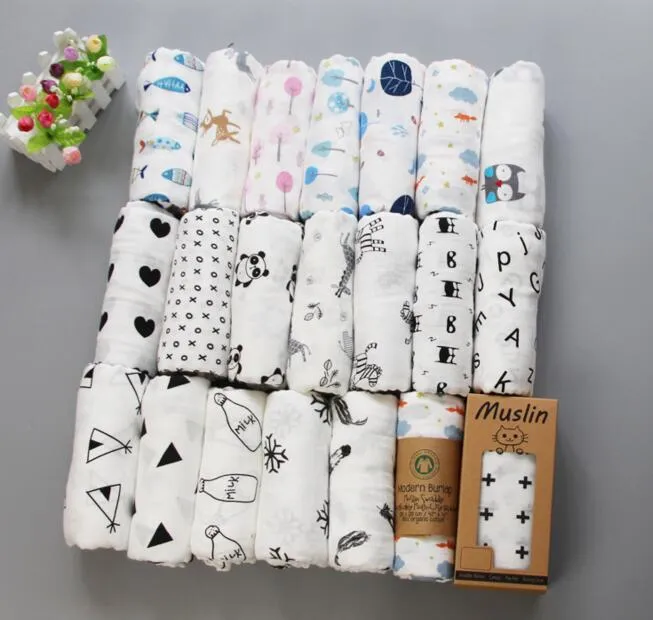
Buy Now
See More: Wholesale Products
3. Preserves Fabric Quality: Some blankets are made with delicate materials that require gentle handling. By vacuuming first, you can avoid unnecessary wear and tear on the fabric that may occur during a traditional wash cycle.
How to Vacuum Your Blanket
Before you start vacuuming your blanket, make sure you have a clean filter in your vacuum cleaner. A clogged filter can reduce suction power and make the process less effective.
Next, lay your blanket flat on a clean surface, such as a bed or table. Using the brush attachment on your vacuum cleaner, gently run the bristles over the entire surface of the blanket, starting at one corner and working your way across. Be sure to pay extra attention to areas that may have more debris, such as the corners and edges.
If your blanket has any decorative elements, like tassels or embroidery, be careful not to snag them with the vacuum cleaner. You may want to use a handheld vacuum attachment for these areas instead.
Once you've vacuumed one side of the blanket, flip it over and repeat the process on the other side. If you notice any remaining debris after vacuuming, you can use a lint roller or sticky tape to pick up any stray hairs or fibers.
Other Methods for Cleaning a Thick Blanket
While vacuuming is a crucial step in the cleaning process, it's not always enough to get your blanket completely clean. Depending on the level of dirt or stains, you may need to use additional methods to achieve the desired results.
Here are some other approaches you can take:
1. Spot Cleaning: If you notice a small stain or spill on your blanket, you can spot clean the affected area instead of washing the entire blanket. To do this, mix a small amount of detergent with water and apply it directly to the stain using a clean cloth. Gently rub the fabric until the stain fades, then rinse the area with water and let it air dry.
2. Machine Wash: For blankets that can be machine washed, be sure to check the care label first to determine the appropriate water temperature and cycle. Use a mild detergent and avoid adding any other items to the load that could cause damage to the fabric. After washing, hang the blanket up to air dry or tumble dry on low heat.
3. Dry Clean: Some blankets, especially those made with wool or other delicate fabrics, should be dry cleaned instead of washed. Take your blanket to a professional dry cleaner and follow their instructions for proper care.
Final Thoughts
2. Use gentle detergent and cold water.
1. Determine the Material of the Blanket
The first thing that you need to do before cleaning a thick blanket is to determine the material. Different materials require different cleaning methods. For example, wool blankets need to be washed in cold water with mild detergent, while cotton blankets can be washed in warm water with regular detergent. Make sure to read the care label on your blanket to determine the appropriate cleaning method for your particular type of blanket.
2. Use Gentle Detergent and Cold Water
When washing a thick blanket, it is important to use a gentle detergent and cold water. This will help to prevent shrinkage and damage to the fibers of the blanket. Avoid using bleach or fabric softeners, as these can also cause damage to the fibers. Instead, opt for a mild detergent that is specifically designed for delicate fabrics.
3. Use a Large Capacity Washing Machine
A thick blanket will require a large capacity washing machine to ensure that it is cleaned properly. If you do not have access to a large capacity washing machine, consider taking your blanket to a laundromat where you can use their larger machines. When loading the machine, make sure to evenly distribute the weight of the blanket to prevent excess strain on the machine.
4. Pre-Treat Stains
If your thick blanket has any stains, it is important to pre-treat them before washing. Use a stain remover specifically designed for the type of stain you are dealing with and follow the instructions carefully. For tough stains, you may need to repeat the pre-treatment process several times to fully remove the stain.
5. Dry the Blanket Properly
After washing your thick blanket, it is important to dry it properly. Avoid using a dryer, as this can cause shrinkage and damage to the fibers. Instead, hang the blanket over a clothesline or lay it flat to air dry. Make sure to avoid direct sunlight and high heat sources, as these can also cause damage to the fibers.
6. Consider Professional Cleaning
If you are unsure about how to properly clean your thick blanket, consider taking it to a professional cleaner. They will have the knowledge and expertise to properly clean and care for your specific type of blanket. Additionally, professional cleaning can help to extend the life of your blanket and keep it looking and feeling like new for years to come.
3. Air dry or tumble dry on low heat.
Cleaning a thick blanket may seem like a daunting task, but with the right approach, it can be done efficiently. In this article, we will discuss some of the best ways to clean a thick blanket.
1. Check the Care Label
Before starting the cleaning process, it is essential to check the care label attached to the blanket. The care label contains important information on how to clean the blanket safely. It includes details on temperature, washing machine cycle, bleach usage, and fabric softener usage. Following these instructions is crucial to avoid any damage or shrinkage to the blanket.
2. Shake Out the Blanket
The first step in cleaning a thick blanket is to shake out any loose dirt and debris. Take the blanket outside and give it a good shake, allowing any excess dirt to fall off. This makes the cleaning process easier by removing any large pieces of debris before washing.
3. Spot Clean Stains
If there are any stains on the blanket, spot cleaning is the best way to remove them without damaging the fabric. Mix a solution of equal parts water and laundry detergent and apply it directly to the stain. Gently rub the stain with a brush or cloth until it disappears. Rinse the area with cold water and let it air dry.
4. Machine Wash on Cold
Most thick blankets can be washed in a washing machine on a cold cycle. Use a mild detergent and add a cup of white vinegar to the rinse cycle to remove any odors. Avoid using fabric softener as it can damage the fabric fibers and reduce the blanket's fluffiness.
5. Air Dry or Tumble Dry on Low Heat
After washing the blanket, it is essential to dry it thoroughly to maintain its shape and quality. Air drying is the best option as it is gentle on the fabric and reduces the risk of shrinkage. Hang the blanket over a clothesline or lay it flat on a surface to dry.
Alternatively, if you prefer tumble drying, use a low heat setting to prevent any damage to the fabric. Add a few dryer balls or clean tennis balls to the dryer to break up any clumps and increase fluffiness.
6. Dry Clean
If the care label states that the blanket should only be dry cleaned, take it to a professional cleaner. Dry cleaning is a safe option for delicate fabrics and ensures that the blanket remains in great condition.
In conclusion, cleaning a thick blanket requires a gentle and careful approach to maintain its quality. By following the care label instructions and using the methods discussed above, you can ensure that your blanket stays clean and fluffy for years to come.
Recommended related content
What are the best ways to clean a guitar neck?
What are the best ways to clean a print carpet?
What are the best ways to clean a 14k gold bracelet?
