
How to Safely Use and Maintain Your Baby Pram
Upload time :December 11, 2023
Shares
Reads
Baby prams are an essential item for parents who need to move around with their babies. However, it is crucial to ensure the safety of the baby while using a pram. Firstly, parents should check that the brakes are functioning correctly and avoid steep inclines. Keeping the pram away from heat sources is another important safety tip. Maintenance tips include regularly cleaning the pram, checking for damaged parts and oiling or lubricating moving parts. When choosing a baby pram, parents should consider factors such as size, weight, maneuverability, and storage space. With these tips in mind, parents can choose the right baby pram and use it safely and effectively.
Introduction to Baby Prams
The Importance of Baby Prams:
Baby prams serve two main purposes; mobility and safety. They allow parents to take their babies out without worrying about carrying them in their arms or having to keep an eye on them all the time. With a pram, you can go wherever you want without tiring your arms or causing strain on your back. Moreover, baby prams are designed with various safety features that protect your baby from harm. For instance, they come with sturdy frames that support the weight of your baby, adjustable recline positions which prevent your baby from slumping down and suffocating, and a harness system that keeps your baby securely strapped in.
Types of Baby Prams:
There are different types of baby prams available in the market today. The most common ones include:
- Traditional prams: These are designed with large wheels, a spacious basket, and a bassinet-like compartment that allows your baby to lie flat.
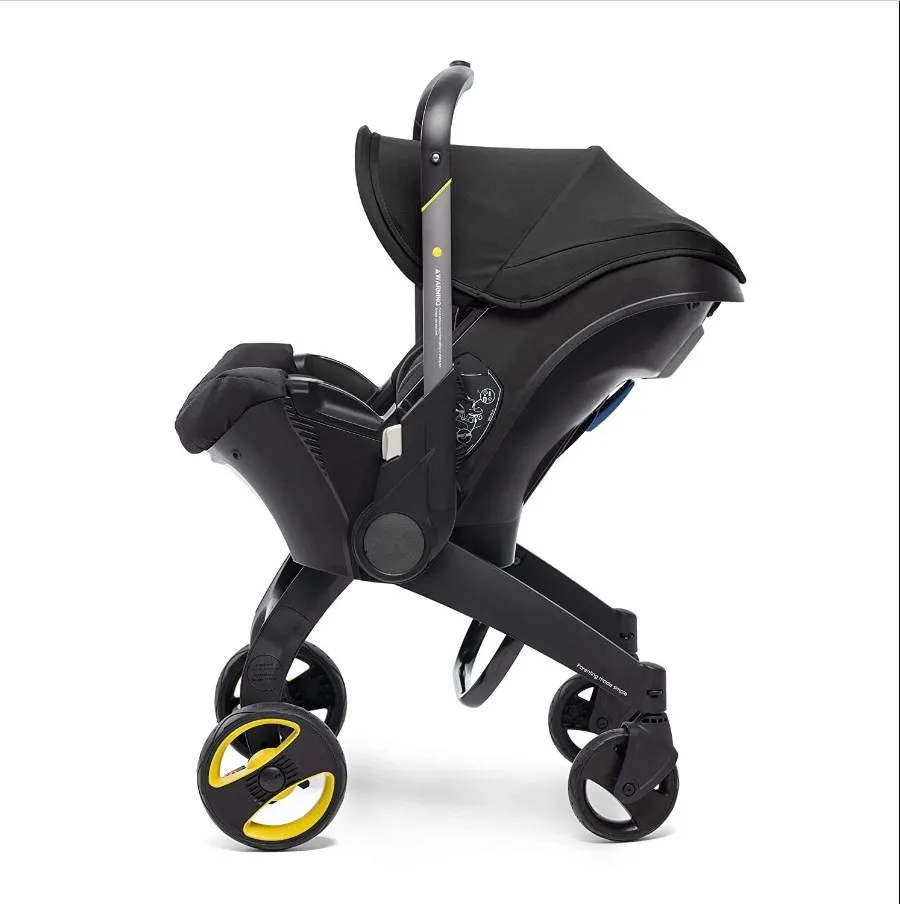
- Travel systems: These are prams that come with a detachable car seat, making it easy for you to move your baby from the car to the pram without disrupting their sleep.
- Lightweight strollers: These are compact and portable prams that are ideal for travel and quick outings.
- Jogging strollers: These are prams designed for parents who love to jog or run. They come with large wheels, a sturdy frame, and a harness system that keeps your baby secure while you exercise.
Choosing the Right Baby Pram:
When choosing a baby pram, there are several factors you need to consider. Firstly, you need to decide on the type of pram that suits your lifestyle. If you love traveling, then a lightweight stroller or a travel system would be ideal. Secondly, consider the size of the pram. Make sure it fits through doorways and is easy to maneuver in tight spaces. Thirdly, check the safety features of the pram. Ensure it has a sturdy frame, good quality brakes, and a harness system that keeps your baby secure. Lastly, consider the price of the pram. There are affordable options that offer great value for money, so choose one that fits your budget.
Safety Tips for Using Baby Prams
Firstly, check the brakes regularly. It is crucial to ensure that the pram's brakes are functioning correctly before use. Before placing your child in the pram, take a few steps back and apply the brakes. Push the pram around to see if the brakes work efficiently. Always remember to use the brakes when stopping on an incline or uneven surfaces.
Secondly, avoid steep inclines. It is not recommended to take your baby pram up a steep incline, especially if it’s a jogging stroller. The pram could tip over, causing injury to your child. If you have to go uphill, ensure the pram has a safety strap, which will keep the pram from rolling backward.
Thirdly, keep the pram away from heat sources. Never place your baby pram near any heat source, including radiators, heaters, or fireplaces. Heat can harm your baby, and it may also damage the pram's material, making it less safe for your infant.
Fourthly, do not overload the pram. Although the pram may seem sturdy, it’s important not to overload it with too much weight. Overloading the pram may cause it to tip over, injuring your child. Always follow the manufacturer's instructions regarding the maximum weight capacity of the pram.
Fifthly, buckle up your child. Every time you put your baby in the pram, ensure they are secured by the seatbelt. This will prevent them from slipping or sliding out of the pram, keeping them safe and comfortable.
In addition to these tips, it's important to keep an eye on your child at all times while in the pram. Ensure that you do not leave them unattended, especially if they are sleeping. Check the condition of the pram regularly, including the wheels, straps, and buckles.
Maintenance Tips for Baby Prams
Regular Cleaning
One of the primary ways to maintain your baby pram is through regular cleaning. Babies can be messy, and over time, dirt and grime can accumulate on the pram's surface, making it unhygienic. It's essential to clean the pram after every use. Use a damp cloth or sponge with mild soap to wipe down the pram's surface and let it air dry. Avoid using harsh chemicals or abrasive materials that can damage the pram's fabric or frame.
Check for Damaged Parts
Another important maintenance tip is to check for damaged parts regularly. As your baby grows, the pram gets subjected to increased wear and tear. Check the pram's wheels, brakes, and straps for any signs of damage or wear and replace them when necessary. If you notice any loose screws or bolts, tighten them immediately, as they can pose a safety hazard.
Lubricate Moving Parts
Prams consist of multiple moving parts such as wheels, brakes, and hinges. Over time, these parts can become stiff and difficult to maneuver. To prevent this, apply a light coat of oil or lubricant to keep the moving parts running smoothly. Avoid using heavy oils or grease that may attract dust and dirt, leading to further damage.
Store in a Dry Place
When not in use, store your baby pram in a dry place, free from moisture and humidity. This helps prevent rust and corrosion from setting in, which can ruin the pram's frame and fabric. Ensure the pram is completely dry before storing it away.
Choosing the Right Baby Pram
As a new parent, choosing the right baby pram can be an overwhelming task. With so many different options available on the market, it can be difficult to know where to start. However, there are some important factors that you should consider when making your decision.
Size: One of the first things to consider is the size of the pram. Depending on your lifestyle and needs, you may want to choose a pram that is compact and easy to maneuver, or one that is larger and more durable. If you live in a city and plan to use public transportation, a smaller pram may be a better choice to navigate crowded streets and public transport.
Weight: The weight of the pram is also an important consideration. You will want to choose a pram that is lightweight and easy to push, especially if you plan to do a lot of walking or have to carry the pram up stairs or onto public transportation. Keep in mind that heavier prams may offer more features and accessories, but may be more difficult to handle and transport.
Maneuverability: Another important factor to consider is maneuverability. A good baby pram should be easy to steer and maneuver, even with one hand. Look for models that have swivel wheels and adjustable handles, as these features will make it easier to navigate tight spaces and rough terrain.
Storage space: Finally, storage space is an important consideration when choosing a baby pram. You will want to choose a model that has enough storage space to hold all of your essentials, such as diapers, wipes, bottles, and snacks. Look for prams that have spacious baskets or compartments, as well as pockets or pouches for easy access to frequently used items.
Overall, choosing the right baby pram requires careful consideration of several important factors, including size, weight, maneuverability, and storage space. By taking the time to research your options and think about your specific needs, you can find a pram that will meet your family's needs and provide you with years of comfortable and convenient use.
FAQ
Q1. What are the safety measures that I should follow while using a baby pram?
Ans: While using a baby pram, it is essential to ensure that the baby is securely strapped in with a harness. The brakes of the pram should be checked and applied whenever the pram is stationary. It is also crucial to avoid overloading the pram with bags or other items that may cause it to tip over.
Q2. How often should I clean my baby pram, and what is the best way to do it?
Ans: A baby pram should be cleaned regularly to maintain hygiene and prevent the buildup of dirt and germs. Wipe down the pram with a damp cloth after every use and deep clean it at least once a month. Use a mild detergent and warm water to clean the fabric parts of the pram. Avoid using harsh chemicals or abrasive materials that may damage the pram.
Q3. Can I use a second-hand pram for my baby, and if yes, what precautions should I take?
Ans: Using a second-hand pram can be a cost-effective option, but it is important to take certain precautions. Ensure that the pram is in good condition, with no broken parts or signs of wear and tear. Check for any safety recalls or issues with the particular model you are considering. Clean and sanitize the pram thoroughly before using it for your baby.
Q4. How can I safely store my baby pram when not in use?
Ans: When not in use, store the pram in a clean, dry place away from direct sunlight or heat sources. Fold the pram down and secure it with any locking mechanisms provided. Keep the pram away from pets or other children who may play with it. Regularly check the pram for any signs of damage or wear and tear.
Buy Now
See More: Wholesale Products
Recommended related content
How to Style a Satin Slip Dress for Any Occasion
How to Properly Store and Maintain Your 16340 Batteries for Longevity
How to Care for and Maintain Your Toy Horse Collection"
How to Style and Maintain Your Black Short Haircut
Expert Guide: How to Clean and Maintain Your Men's Suede Shoes
