
What Are the Best Pets Cages for Small Spaces?
Upload time :November 30, 2023
Shares
Reads
If you live in a small space and want to keep a pet, it's important to choose the right cage to ensure your furry friend has a comfortable and safe living environment. When selecting a pet cage for a small space, there are several factors to consider. First, make sure you choose the correct size for your pet so they can move around freely without feeling cramped. Secondly, choose the appropriate material that will keep your pet safe while also being easy to maintain and clean. Thirdly, consider easy cleaning options for the cage to minimize mess and odors. Fourthly, adequate ventilation is important to keep your pet healthy and prevent them from feeling too enclosed. Lastly, ensure your pet's comfort and safety by adding bedding and toys to their cage. By following these tips, you can find the perfect cage for your furry friend that fits perfectly in your small space.
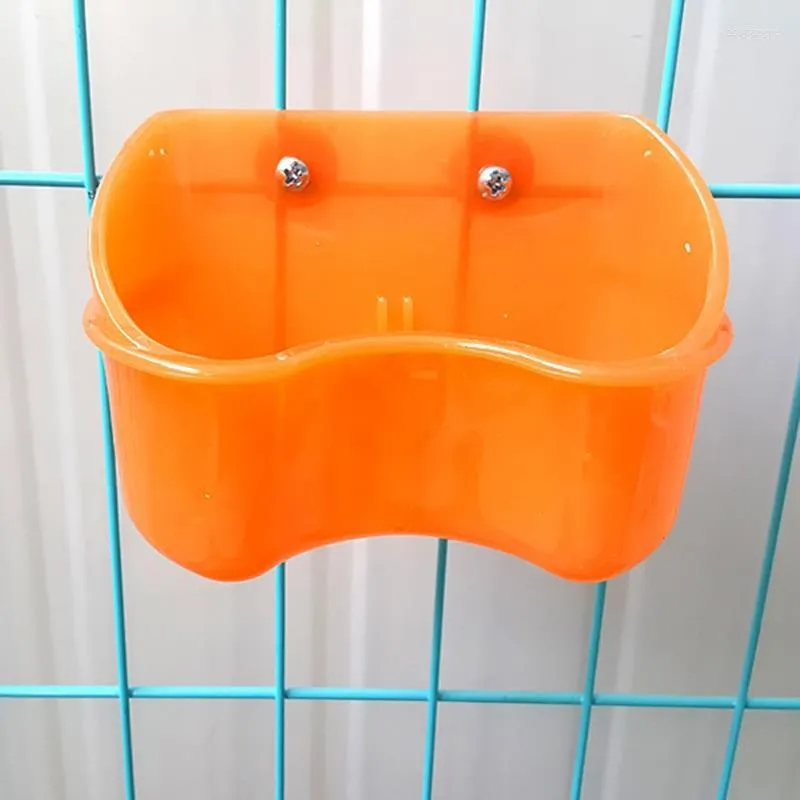
Buy Now
See More: Wholesale Products
1. Select the Right Size
1. Choose the Right Size
The first and most important consideration when buying a pet cage is choosing the right size. You need to make sure that the cage is large enough for your pet to move around comfortably, but not so big that it takes up too much space in your home.
For example, if you have a hamster or gerbil, you will need a cage that is at least 10 gallons in size. For a rabbit, you will need a cage that is at least four times the size of your bunny. For birds, the cage should be wide enough for them to spread their wings without touching the sides.
2. Consider the Material
Another important factor to consider when selecting a pet cage is the material. There are many options available, such as plastic, metal, and wire mesh. Each material has its own advantages and disadvantages.
Plastic cages are lightweight, easy to clean, and affordable. However, they may not be durable enough for larger pets like rabbits.
Metal cages are sturdy and durable, but they can be heavy and difficult to move around. They may also be more expensive than other types of cages.
Wire mesh cages are popular for birds because they allow for better ventilation and light. However, they may not be suitable for pets with small feet, as they can easily get caught in the mesh.
3. Look for Cages with Multiple Levels
Cages with multiple levels are great for small spaces because they provide more living space without taking up too much floor space. This is especially important for cats, who love to climb and explore. A multi-level cage will allow your cat to exercise both physically and mentally.
For smaller pets like hamsters, gerbils, or mice, a multi-level cage will also provide more room for climbing and playing. Just make sure that the levels are not too high, as falling from a great height can be dangerous for your pet.
4. Choose a Cage with a Removable Tray
Cleaning is an essential part of pet ownership, and having a cage with a removable tray makes cleaning much easier. A removable tray allows you to quickly clean up any messes or spills without having to remove your pet from the cage.
Make sure to choose a cage with a removable tray that fits snugly into the bottom of the cage. This will prevent your pet from escaping or getting stuck between the tray and the cage walls.
5. Check for Accessibility
Finally, when selecting a pet cage, make sure it provides easy access for both you and your pet. A cage with a large door will make it easier to interact with your pet, clean, and care for them.
For example, if you have a bird, choose a cage with a large door so that you can easily reach in and change food and water dishes. If you have a rabbit, choose a cage with a door that swings open upwards, making it easier to pick up your bunny.
Conclusion
2. Choose Appropriate Material
1. Consider the Size of Your Pet
Before choosing a cage, it's important to consider the size of your pet. Different animals have different space requirements, and it's essential to choose a cage that provides enough room for your pet to move around comfortably. For example, if you're looking for a cage for a small hamster, a 10-gallon aquarium may be sufficient. However, if you have a larger animal like a rabbit, you'll need a more spacious cage.
2. Choose Appropriate Material
There are many different materials used to make pet cages, each with its pros and cons. Here are some of the most common materials and their benefits:
a. Plastic
Plastic is a popular choice for small pet cages because it's lightweight and easy to clean. Plastic cages are also relatively inexpensive and come in a variety of colors and sizes. However, plastic can be easily scratched or chewed by pets, so it may not be the best option for particularly active animals.
b. Wire
Wire cages are another popular choice for small pets. They provide good ventilation and allow for easy visibility of your pet. Wire cages are also sturdy and durable, making them a good choice for active animals. However, wire cages can be difficult to clean, and they may not be suitable for animals with sensitive feet (e.g. hamsters).
c. Glass/Acrylic
Glass or acrylic cages are ideal for animals that require high humidity levels, such as reptiles or amphibians. These cages provide excellent visibility and are easy to maintain. However, glass and acrylic cages can be heavy and fragile, making them less suitable for travel.
3. Consider the Design of the Cage
The design of the cage is also an important factor to consider when choosing a cage for your pet. Some cages are designed to be stackable, which is ideal for those with limited space. Other cages are designed to be modular, allowing you to add or remove sections as needed.
4. Look for Additional Features
Finally, when choosing a pet cage for small spaces, it's worth looking for additional features that can help maximize space and improve your pet's comfort. Some cages come with built-in shelves or ramps, while others have removable trays for easy cleaning. It's also worth considering cages that come with accessories like water bottles or food dishes.
3. Consider Easy Cleaning
Hamsters are an excellent choice of pet for those living in small spaces. They are low-maintenance, quiet, and don't require much space to move around. However, when it comes to choosing a hamster cage, it's important to consider the size and shape of the cage.
There are two primary types of hamster cages: wire cages and plastic modular cages. Wire cages allow plenty of airflow and are often cheaper than their plastic counterparts. However, they can be more challenging to clean, as debris can get stuck between the wires.
Plastic modular cages, on the other hand, are easier to clean and provide more containment for your pet. Most models come with removable trays that make cleaning up droppings and food spills a breeze. It's also worth considering cages with multiple levels, which will give your hamster more room to play and explore.
2. Bird Cages
Birds are another popular option for those looking for a low-maintenance pet that doesn't take up too much space. When choosing a bird cage, there are several factors to consider, including the size of your bird, the type of bird, and the location of the cage within your home.
Smaller birds, such as finches and canaries, require cages that are at least 18 inches long, 18 inches wide, and 18 inches tall. Larger birds, like parrots, need much larger cages, so it's essential to choose a size that's appropriate for your pet.
When it comes to cleaning bird cages, plastic cages are a popular choice. They are easy to wipe down and disinfect, making them ideal for regular cleaning. Wire cages can also work well, provided they have removable trays that allow you to clean up any waste easily.
3. Reptile Cages
Reptiles are a great choice for those who want a unique pet that doesn't require a lot of space. There are various types of reptiles that you can keep in a small cage, including snakes, geckos, and turtles. However, when it comes to choosing a reptile cage, there are a few things to keep in mind.
Firstly, the cage needs to be large enough to accommodate your pet comfortably. Different species of reptiles require different amounts of space, so be sure to research the specific needs of your pet before purchasing a cage.
Secondly, reptile cages need to be easy to clean, as these pets tend to produce a lot of waste. Plastic or glass enclosures are ideal, as they are easy to wipe down and disinfect. Wire cages should be avoided, as they can be difficult to clean and may not provide adequate containment for your pet.
4. Provide Adequate Ventilation
1. Hamster Cages
Hamsters are popular pets because they're cute, furry and easy to take care of. They don't require a lot of space, which makes them ideal for small apartments or dorm rooms. The best hamster cages for small spaces are those that are tall, rather than wide. This allows your hamster to climb and explore while taking up less floor space. Look for a cage with multiple levels, ramps and tunnels to keep your hamster entertained.
When it comes to ventilation, hamsters need fresh air just like any other animal. Make sure your cage has plenty of ventilation holes or mesh panels to allow air to circulate. Avoid placing the cage in direct sunlight or near a heating vent, as this can cause the temperature inside the cage to rise quickly.
2. Guinea Pig Cages
Guinea pigs are social animals that require more space than hamsters. A single guinea pig needs at least 7.5 square feet of living space, so it's important to choose a cage that's large enough for your pet to move around in comfortably. Look for a cage with a solid bottom and sides to prevent bedding from spilling out onto your floors.
Ventilation is especially important for guinea pigs, as they're prone to respiratory problems. Choose a cage with plenty of ventilation panels or a wire mesh top that allows air to flow freely. Avoid placing your guinea pig's cage in a damp or humid area, as this can exacerbate respiratory issues.
3. Rabbit Cages
Rabbits are larger pets that require even more space than guinea pigs. A single rabbit needs at least 12 square feet of living space, but more is always better. Look for a cage with multiple levels and plenty of room to hop and play. Rabbits are also notorious chewers, so choose a cage made from sturdy materials that can withstand their sharp teeth.
Ventilation is crucial for rabbits, as they're sensitive to heat and humidity. Choose a cage with a wire mesh top to allow plenty of air to circulate. Avoid placing your rabbit's cage in direct sunlight or near a heating vent, as this can cause the temperature inside the cage to become too hot.
4. Bird Cages
Birds are excellent pets for small spaces, as they typically don't require a lot of floor space. However, they do need plenty of room to spread their wings and fly. Look for a cage that's tall and spacious, with plenty of perches and toys to keep your bird entertained.
Ventilation is important for birds, as they're sensitive to fumes and dust. Choose a cage with plenty of ventilation holes or a wire mesh design to allow air to circulate. Avoid using harsh chemicals near your bird's cage, as these can be harmful to their respiratory system.
In addition to choosing the right cage, there are a few things you can do to provide adequate ventilation for your pets:
- Clean your pet's cage regularly to prevent the buildup of dust and debris.
- Use natural cleaning products, such as vinegar and baking soda, to avoid exposing your pets to harsh chemicals.
- Place your pet's cage in a well-ventilated area, away from sources of heat and humidity.
- Open windows or use a fan to increase air circulation in the room where your pet's cage is located.
5. Ensure Comfort and Safety
1. Choose the Right Size
The first thing to consider when selecting a cage for your pet is the size. It’s important to choose a cage that is both big enough for your pet to move around in and small enough to fit in your living space. A good rule of thumb is to choose a cage that is at least twice the size of your pet.
For small pets such as hamsters or guinea pigs, a cage that is 24 inches by 12 inches is sufficient. For larger pets like rabbits or ferrets, a cage that is at least 36 inches by 24 inches is recommended.
2. Look for a Cage with Multiple Levels
A cage with multiple levels is great for pets that need more space to roam. Not only does it provide additional space, but it also adds some variety to your pet's environment. A multi-level cage also allows your pet to exercise and explore its surroundings, which is essential for their overall health and well-being.
3. Opt for a Cage with Good Ventilation
Pet cages need good ventilation to keep your pet healthy. Poor ventilation can lead to respiratory problems, which can be fatal to your pet. Therefore, it’s essential to choose a cage that has good air circulation. A cage with mesh sides or large openings is ideal for proper ventilation.
4. Consider the Material of the Cage
The material of the cage is important for both your pet's safety and your own convenience. Metal cages are durable and can withstand the test of time. They are also easy to clean and maintain, making them a great choice for busy pet owners.
Plastic cages are lightweight and easy to move around. They also come in different colors and designs, which can add a pop of color to your home. However, plastic cages may not be as durable as metal cages and can be harder to clean.
5. Ensure Comfort and Safety
When choosing a cage for your pet, it’s essential to ensure their comfort and safety. A comfortable cage should have soft bedding for your pet to sleep on and enough room for them to move around. A safe cage should have secure latches, so your pet cannot escape, and no sharp edges or corners that could harm them.
It’s also important to keep the cage clean and clutter-free. Remove any uneaten food, feces, or urine regularly to prevent the spread of bacteria and germs. Change the bedding frequently to keep your pet's environment fresh and clean.
Conclusion
Choosing the right cage for your pet is essential for their health and well-being. When looking for a cage, make sure it’s the right size, has multiple levels, good ventilation, and is made of durable materials. Also, ensure your pet's comfort and safety by providing soft bedding, cleaning the cage regularly, and checking for any sharp edges or corners. With these tips, you can find the perfect cage for your furry friend and create a comfortable and safe environment for them to thrive in.
Recommended related content
What are the Best Accent Chairs for Small Spaces?
What Are the Best Vanity Tables for Small Spaces?
What are the Best Plant Containers for Small Spaces?
