
Dash Cams for Cars: A New Trend in Automotive Technology
Upload time :November 29, 2023
Shares
Reads
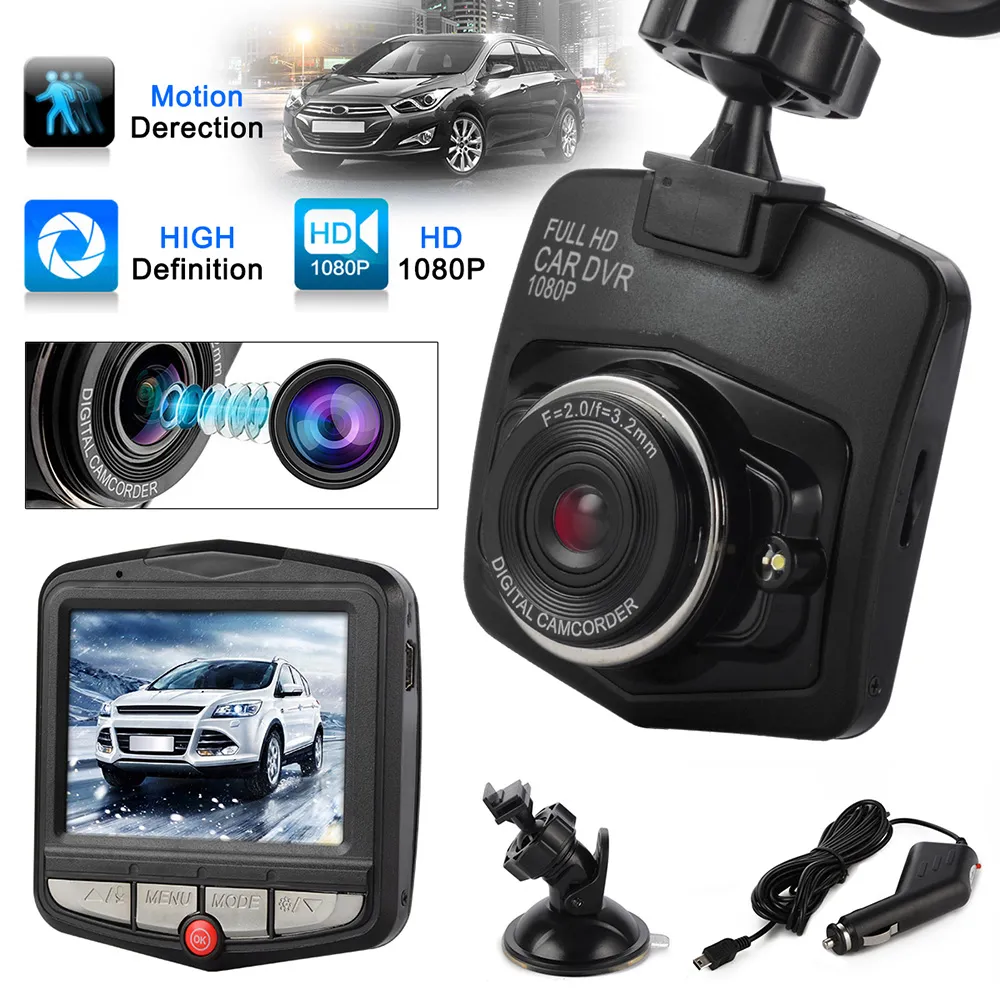
Dash cams are quickly becoming a must-have item for car owners. Not only do they provide valuable evidence in the event of an accident, but they can also help prevent insurance fraud and improve driving behavior. Additionally, dash cams can capture unexpected moments while on the road and aid in retrieving stolen vehicles. There are several types of dash cams to choose from, including front-facing cameras, dual-camera systems, rear-view mirror cameras, Wi-Fi enabled cameras, and GPS enabled cameras. When choosing a dash cam for your car, consider factors such as video quality and resolution, storage capacity, viewing angle and lens size, additional features like night vision and motion detection, and price range. With so many benefits and options, it's no wonder why dash cams are becoming an essential part of car ownership.
Benefits of Dash Cams for Cars
One of the primary benefits of dash cams is that they provide evidence in case of accidents. In the event of a collision or other incident on the road, footage from a dash cam can be used by law enforcement and insurance companies to determine fault. This can be especially important if there are conflicting reports about what happened during the accident. Dash cam footage can provide an unbiased account of the events leading up to the crash, making it easier for officials to determine who was at fault.
Another advantage of dash cams is that they can help prevent insurance fraud. Unfortunately, there are some drivers who try to scam their insurance providers by staging accidents or exaggerating the damage caused by an accident. With a dash cam, however, it is much more difficult to pull off such scams. Insurance adjusters can review the footage captured by the dash cam to determine whether or not the accident was genuine and whether the claimed damages are accurate.
Dash cams can also be used to improve driving behavior. By reviewing footage of your driving habits, you can identify areas where you may need to improve your skills. For example, you might notice that you tend to speed excessively or make careless lane changes. By addressing these issues, you can become a safer and more responsible driver. Additionally, you can use the footage to teach others, such as new drivers or family members, about safe driving practices.
In addition to these practical benefits, dash cams can also capture unexpected moments while on the road. You never know when something amazing or unusual might happen while you're driving, and having a dash cam means that you can share those moments with others. Whether it's a beautiful sunset or a bizarre roadside attraction, you can capture it all on video and share it with friends and family.
Finally, dash cams can help retrieve stolen vehicles. If your car is ever stolen, the footage from your dash cam can be used by law enforcement to aid in the recovery of your vehicle. The footage can provide valuable clues about where the car was taken and who stole it.
Types of Dash Cams for Cars
Front-facing cameras are the most common type of dash cam. They are mounted on the dashboard or windshield and capture footage of the front view of the vehicle. These cameras are capable of recording incidents such as collisions, close calls, and dangerous driving behaviour. A front-facing camera provides an essential visual record of events that can assist in proving fault in the event of an accident.
Dual-camera systems offer an added level of protection by capturing video footage from two cameras, typically one facing forward and the other facing the rear of the vehicle. Dual-camera systems allow for comprehensive coverage of the vehicle, providing a complete view of the surroundings. This type of dash cam is particularly useful for rideshare drivers, as it captures both the interior and exterior of the vehicle.
Rear-view mirror cameras are a discreet alternative to traditional dash cams. They are integrated into the rear-view mirror and capture footage of the road ahead. Rear-view mirror cameras are ideal for drivers who prefer a more subtle option that blends into the car's design. Additionally, they often provide additional features such as lane departure warnings and collision alerts.
Wi-Fi-enabled cameras allow users to access their dash cam footage remotely through a smartphone app. This feature is particularly useful when sharing footage with insurance companies or law enforcement. Wi-Fi-enabled cameras also allow for easy downloading and sharing of videos without the need for cables or memory cards.
GPS-enabled cameras provide location information along with video footage. This feature is useful for tracking vehicle routes and monitoring driver behaviour. GPS-enabled cameras can also offer speed and time stamps, which can serve as crucial information in the event of an accident.
Factors to Consider when Choosing a Dash Cam for Your Car
The first factor to consider when choosing a dash cam is video quality and resolution. You want a dash cam that can capture clear footage in both day and night conditions. Look for a camera with at least 1080p resolution, but if you want even higher quality footage, consider a camera with 1440p or 4K resolution. The higher the resolution, the clearer the footage will be.
Storage capacity is another important factor to consider. Most dash cams use microSD cards to store footage, so you'll want to make sure the camera you choose supports the size of card you need. You should also consider how much storage space you need. If you plan on using your dash cam frequently, you may want a camera with a larger storage capacity.
The viewing angle and lens size of your dash cam are also important factors to consider. A wider viewing angle will allow you to capture more of your surroundings, which is especially useful if you're using your dash cam for security purposes. Additionally, a larger lens size will allow more light into the camera, resulting in better footage.
Some dash cams come with additional features such as night vision and motion detection. Night vision is useful if you plan on driving at night or in low-light conditions. Motion detection can alert you if someone tries to break into your car or if there's any unusual activity around your vehicle. Consider what additional features are important to you before choosing a dash cam.
Finally, price range is an important factor to consider. Dash cams can range in price from under $50 to over $500. While it may be tempting to go for the cheapest option, keep in mind that you get what you pay for. Cheaper cameras may have lower quality footage, smaller storage capacity, and limited features. You should aim to find a balance between price and quality.
In conclusion, when choosing a dash cam for your car, it's important to consider video quality and resolution, storage capacity, viewing angle and lens size, additional features such as night vision and motion detection, and price range. By taking these factors into account, you can find a dash cam that meets your needs and helps keep you safe while driving.
Buy Now
See More: Wholesale Products
FAQ
Q1. What is a dash cam and how does it work?
A dash cam is a small, camera-equipped device that mounts on your car's dashboard or windshield. It records video footage of the road ahead, which can be useful in the event of an accident or other incident. Dash cams typically plug into your car's power outlet and start recording automatically when you turn on the ignition. Some models also have built-in GPS, Wi-Fi, and other features.
Q2. What are the benefits of using a dash cam?
There are several benefits to using a dash cam while driving. For one, it can provide valuable evidence in case of an accident or other incident. The footage captured by the dash cam can help prove fault or document damage to your vehicle. Additionally, some insurance companies offer discounts for drivers who install dash cams in their cars. Dash cams can also be used to capture scenic drives or interesting events while on the road.
Q3. Are dash cams legal to use while driving?
The legality of using a dash cam while driving varies by state and country. In general, it is legal to use a dash cam as long as it does not obstruct your view of the road or distract you while driving. Some states have specific laws regarding the use of dash cams, such as requiring them to be mounted in a certain location or prohibiting the recording of audio without consent. It is important to check the laws in your area before using a dash cam while driving.
Q4. How do I choose the right dash cam for my car?
When choosing a dash cam for your car, there are several factors to consider. The resolution and quality of the camera should be high enough to capture clear footage, even in low light conditions. You may also want to look for a dash cam with built-in GPS, Wi-Fi, or other advanced features. The size and design of the dash cam should also be considered, as it needs to fit comfortably and securely on your dashboard or windshield. Finally, consider your budget and choose a dash cam that offers the best value for your money.
Recommended related content
Exploring the Latest Trends in Car Radio Technology
The Future of Car Doors: How Technology is Changing Automotive Safety
