
How to Use a Car Tire Pump: A Step-by-Step Guide for Beginners
Upload time :December 2, 2023
Shares
Reads
If you are a beginner and wondering how to use a car tire pump, don't worry, we've got you covered. In this step-by-step guide, we will take you through the entire process of inflating your car tires with ease. First, you need to prepare your tires and pump by checking the recommended tire pressure on the driver's door or owner's manual and ensuring that your pump is in good working condition. Secondly, connect the pump to the tire valve and start inflating the tire until it reaches the recommended pressure. Thirdly, use a gauge to check the pressure and make sure it matches the recommended pressure level. Fourthly, disconnect the pump, and replace the valve cap. It is essential always to have a tire pump handy because underinflated tires can cause several problems such as reduced fuel efficiency, uneven wear, and even blowouts. With this guide, you can keep your car tires in top shape without any professional help.
1. Prepare tires and pump
If you are a beginner or a first-time car owner, one of the essential tools that you need to have is a tire pump. It is an excellent investment as it can help you inflate your tires quickly and conveniently in case they go flat. However, before using a car tire pump, you should be familiar with how it works and how to use it correctly. In this article, we will provide you with a step-by-step guide on how to use a car tire pump.
1. Prepare Tires and Pump
Buy Now
See More: Wholesale Products
Before you start inflating your tires, you need to check the tire pressure first. You can find the recommended tire pressure for your car in the owner's manual or on the sticker located typically on the driver's side door jamb. Once you know the ideal tire pressure level, you can check the current tire pressure using a tire gauge.
After checking the tire pressure, make sure that your car is parked in a safe and stable place. Turn off the engine and engage the parking brake to prevent your car from rolling or moving while inflating your tires.
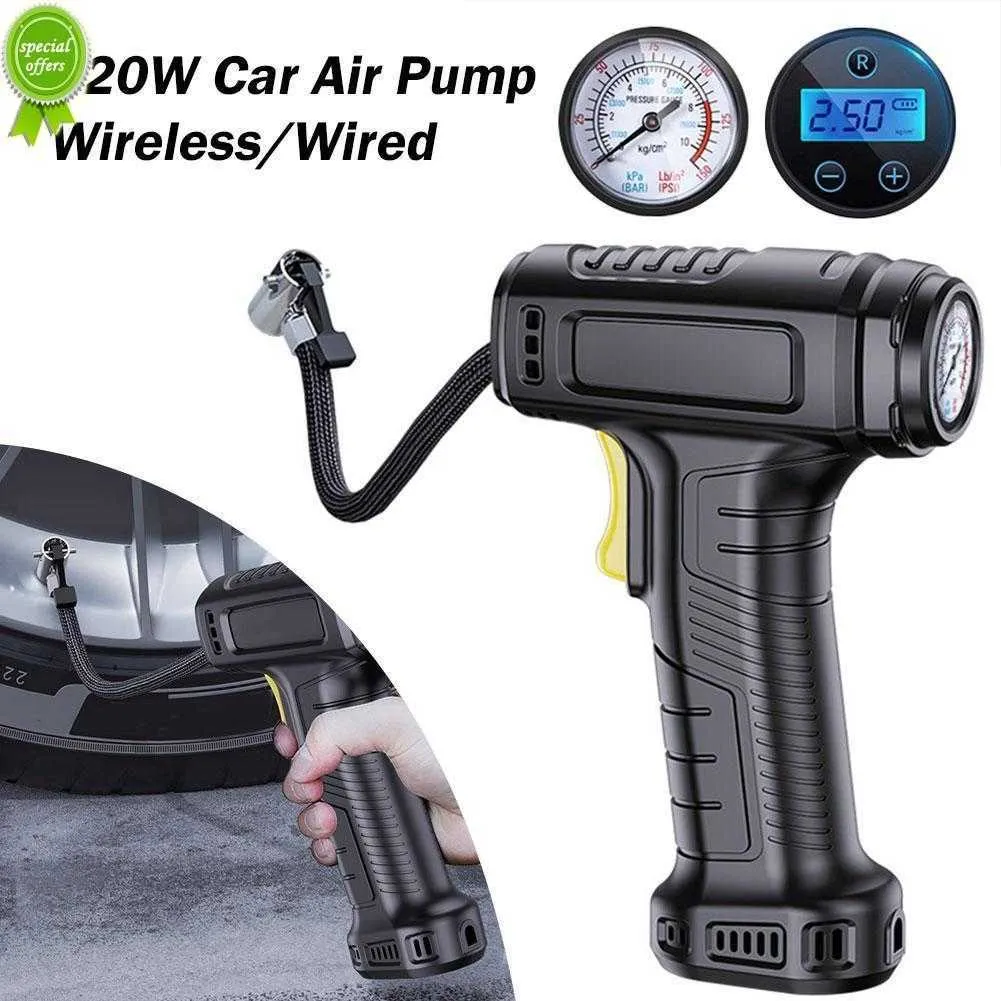
Next, prepare the tire pump by plugging it into your car's cigarette lighter outlet or connecting it to a power source. Make sure that the pump's hose and nozzle are securely attached to the pump.
2. Connect Pump to Tire Valve
Once you have prepared the pump, it's time to connect it to your tire valve. The tire valve is usually located on the side of the tire and has a cap covering it. Remove the cap and attach the nozzle of the pump to the valve stem. Make sure that the nozzle is tightly secured to the valve stem to avoid air leaks.
3. Inflate the Tire
After connecting the pump to the tire valve, switch on the pump to start inflating the tire. The pump will start filling the tire with air, and you can monitor the tire pressure using the gauge attached to the pump. Keep adding air until the tire pressure reaches the recommended level.
If the pump comes with an automatic shutoff feature, it will turn off once the desired tire pressure is reached. If not, you need to manually stop the pump and check the tire pressure using a gauge. It's important not to overinflate the tire as it may lead to blowouts and other safety risks.
4. Disconnect the Pump
Once you have inflated the tire to the recommended pressure level, disconnect the pump from the tire valve. Make sure to replace the valve cap to protect the valve stem from dirt and debris.
Repeat the process for the other tires until all of them are adequately inflated. Remember to check the tire pressure regularly, especially when going on long drives or during extreme weather conditions.
5. Maintenance and Storage
After using the tire pump, it's crucial to properly maintain and store it to ensure its longevity. Clean the pump's hose and nozzle after each use and store it in a dry and cool place. You can also buy a storage bag or box for your tire pump to keep it protected and organized.
Regularly check the pump's fuse, motor, and other components to ensure that they are functioning correctly. If you notice any damage or issues, have them repaired or replaced immediately.
Conclusion
Using a tire pump is easy, even for beginners, as long as you follow the steps above correctly. Remember to check the tire pressure first, prepare your car and pump, connect the pump to the tire valve, inflate the tire, and disconnect the pump. Always practice caution and safety when inflating your tires to avoid accidents and mishaps. With proper maintenance and storage, your tire pump can last for years and provide you with peace of mind whenever you encounter a flat tire.
2. Connect pump to tire valve
If you are a beginner looking to use a car tire pump, it can be intimidating to figure out where to start. However, this guide will take you through the process step by step so that you can get your tires inflated and on the road in no time.
2. Connect pump to tire valve
Once you have gathered all of the necessary materials for inflating your tire, the next step is to connect the pump to the tire valve. The valve is typically located on the outer edge of the wheel.
1. Remove valve cap
Before you can connect the pump to the valve, you must first remove the valve cap. This small cap is used to protect the valve from dust and debris. Simply unscrew the cap and set it aside in a safe place where it won't get lost.
2. Check valve type
It's important to know what type of valve you're dealing with before you try to connect the pump. There are two common types of valves: Schrader valves and Presta valves. Schrader valves are more common and are found on most cars, while Presta valves are typically found on high-performance bicycles. Make sure you know which type of valve you have before proceeding.
3. Attach pump head
Next, attach the pump head to the valve. This is where the type of valve comes into play. If you have a Schrader valve, simply press the pump head over the valve and twist it to lock it in place. If you have a Presta valve, you'll need to unscrew the small nut at the top of the valve before attaching the pump head. Once the pump head is attached, tighten the nut securely.
4. Inflate tire
Now it's time to start inflating your tire. Begin pumping air into the tire by using the handle of the pump. Be sure to check the pressure gauge periodically to ensure that you're not over-inflating the tire. Over-inflating can cause the tire to burst, which can be dangerous.
5. Check pressure
Once you have reached the desired pressure, stop pumping and check the pressure gauge again to ensure that the pressure is correct. If the pressure is too low, continue pumping until you reach the desired pressure. If the pressure is too high, release air from the tire by pressing down on the small pin in the center of the valve with a pen or other pointed object.
6. Disconnect pump
When you're finished inflating the tire, disconnect the pump from the valve by twisting and pulling it off. Remember to replace the valve cap to keep dust and debris out.
In conclusion, using a car tire pump may seem daunting at first, but once you've gone through the steps, it becomes much easier. Don't forget to check the type of valve you have, attach the pump head securely, and monitor the pressure gauge to avoid over-inflation. Happy pumping!
3. Inflate tire to recommended pressure
Inflating your car tires is an essential part of vehicle maintenance, and it's important to know how to use a car tire pump properly. In this step-by-step guide for beginners, we'll walk you through the process of inflating your tires to the recommended pressure.
Step 1: Check the Recommended Tire Pressure
The first step in using a car tire pump is to check the recommended tire pressure for your specific vehicle. You can find this information in the owner's manual or on a sticker located on the driver's side door jamb. It's important to note that different tire sizes and types may have different recommended pressures, so make sure you're checking the correct information.
Step 2: Prepare the Pump and Hose
Once you know the recommended tire pressure, it's time to prepare the pump and hose. Most car tire pumps come with either a built-in gauge or an external gauge attached to the hose. If your pump has a built-in gauge, make sure it's set to the correct pressure. If your pump has an external gauge, attach it to the hose and set it to the correct pressure.
Step 3: Remove Valve Stem Caps
Before attaching the hose to the valve stem, remove any valve stem caps that may be covering the valve. These caps are typically found on the end of the valve stem and can be unscrewed by hand.
Step 4: Attach Hose to Valve Stem
With the valve stem cap removed, attach the hose to the valve stem by pressing it onto the valve until it's securely in place. Make sure the hose is straight and not at an angle, as this can cause air leaks.
Step 5: Inflate Tire to Recommended Pressure
Now it's time to inflate the tire to the recommended pressure. Turn on the pump and watch the gauge as it fills the tire with air. Once the gauge reaches the recommended pressure, turn off the pump and remove the hose from the valve stem.
Step 6: Check Tire Pressure
After inflating the tire, it's important to double-check the pressure with a separate tire pressure gauge. This will ensure that the pump gauge was accurate and that the tire is properly inflated. If the pressure is too high or too low, adjust it accordingly.
Step 7: Repeat for Other Tires
Repeat the above steps for each tire on your vehicle. It's important to inflate all tires to the same pressure, even if their recommended pressures differ. This will ensure even wear and tear on your tires and better gas mileage.
In conclusion, inflating your car tires to the recommended pressure is an important part of vehicle maintenance. By following these simple steps for using a car tire pump, you can keep your tires properly inflated and extend their lifespan. Remember to always check the recommended tire pressure, prepare the pump and hose, and double-check the pressure with a separate gauge. Happy pumping!
4. Check pressure with gauge
Using a car tire pump can be quite intimidating for beginners. However, it is an essential skill that every driver should know. Knowing how to use a car tire pump can save you time, money, and frustration. In this article, we will guide you through the process of using a car tire pump step-by-step.
Step 1: Determine the Recommended Tire Pressure
The first step in using a car tire pump is to determine the recommended tire pressure for your vehicle. You can find this information in your owner's manual or on the sticker located on the driver's side doorjamb. Make sure to always follow the recommended tire pressure to ensure optimum performance and safety.
Step 2: Determine the Current Tire Pressure
Before inflating your tires, you need to check their current pressure. Use a tire pressure gauge to measure the PSI (pounds per square inch) of each tire. The tire pressure gauge will have a small stem that you insert into the valve stem on the tire. If the pressure is lower than the recommended PSI, inflate the tire. If it is higher, release the excess air until it reaches the recommended PSI.
Step 3: Connect the Pump to the Valve Stem
Once you have determined the current tire pressure and the recommended tire pressure, it's time to connect the air pump to the valve stem. Remove the valve cap from the tire by unscrewing it. Identify the type of valve stem you have, either Schrader or Presta. Schrader valves are common in cars and have a wider stem, while Presta valves are typically found in bicycles and have a narrower stem.
Attach the air hose to the valve stem by pushing it onto the stem firmly and securely. Ensure that it is tightly connected to prevent any air leaks during inflation. Turn on the air pump by plugging it into a power source or turning it on if it is battery-powered.
Step 4: Check Pressure with Gauge
As you inflate the tire, make sure to periodically check the pressure with a tire pressure gauge. This way, you can ensure that you are not overinflating or underinflating the tire. Overinflated tires can lead to decreased traction and handling, while underinflated tires can cause poor gas mileage and premature wear and tear.
Step 5: Inflate the Tire to the Recommended PSI
Inflate the tire to the recommended PSI by using the air pump. The air pump may have a built-in pressure gauge that allows you to monitor the pressure as you inflate the tire. Alternatively, use the tire pressure gauge to check the pressure periodically and stop inflating once you reach the recommended PSI.
Step 6: Disconnect the Pump and Replace the Valve Cap
Once you have inflated the tire to the recommended PSI, disconnect the air pump from the valve stem. Twist the valve cap back onto the valve stem securely to keep out dirt and debris.
Step 7: Repeat the Process for All Tires
Repeat the above steps for all four tires, ensuring that they are inflated to the recommended PSI. It is best to check your tire pressure at least once a month to maintain optimal driving conditions.
Conclusion
Using a car tire pump may seem daunting at first, but it is a simple process that everyone can learn. By following these steps, you can easily inflate your tires to the recommended PSI and keep them in optimal condition. Remember to check your tire pressure regularly to ensure safe and efficient driving.
5. Disconnect pump and replace valve cap
If you're a beginner driver, learning how to use a car tire pump can be an essential skill to keep your car running smoothly. In this step-by-step guide, we'll teach you how to use a car tire pump and replace the valve cap.
Step One: Check Your Tires
Before you start pumping air into your tires, you need to check their pressure. You can find the recommended tire pressure in your car manual or on the inside of your car door. Remember, over-inflated or under-inflated tires can be dangerous and cause accidents. So, it's important to check your tire pressure regularly.
Step Two: Attach the Pump to Your Tire
The next step is to attach your pump to the tire. Remove the valve cap from your tire's valve stem and put it somewhere safe. Then, take the pump's nozzle and press it onto the valve stem. Make sure that it's securely attached.
Step Three: Inflate Your Tire
Once the nozzle is attached to the valve stem, you can start inflating your tire. Some pumps have a gauge that shows the tire pressure as you inflate. If not, you'll need to check the pressure with a separate tire pressure gauge.
To start inflating your tire, turn on the pump and let it run until you reach the desired pressure. Keep an eye on the gauge or check the pressure manually. Do not over-inflate the tire.
Step Four: Check the Pressure
After inflating the tire, check the pressure again using a tire pressure gauge. If the pressure is correct, you can disconnect the pump.
Step Five: Disconnect Pump and Replace Valve Cap
Finally, disconnect the pump from the tire by unscrewing the nozzle from the valve stem. Once disconnected, replace the valve cap on the valve stem to prevent dirt and debris from entering the tire. Repeat these steps for all four tires.
Tips for Using a Car Tire Pump:
- Check your tire pressure before you inflate them.
- Always follow the recommended tire pressure found in your car manual or on the inside of your car door.
- Do not over-inflate your tires.
- Use a tire pressure gauge to check the pressure after inflating the tire.
- Keep the valve caps handy to prevent dirt and debris from getting into your tire.
- Store your tire pump in a dry and cool place to avoid damaging it.
In conclusion, knowing how to use a car tire pump is an essential skill for any driver. By following these simple steps and tips, you'll be able to keep your tires properly inflated and your car running smoothly. Remember to always check your tire pressure and never over-inflate your tires. Stay safe on the road!
Recommended related content
How to Use Beads for Braids: A Step-by-Step Guide for Beginners
How to Make a Scrunchie: A Step-by-Step Guide for Beginners
How to Use a Tire Pressure Gauge: Step-by-Step Guide for Beginners.
