
Understanding Code Readers: A Beginner's Guide to Car Troubleshooting
Upload time :December 4, 2023
Shares
Reads
Code readers are an essential tool for car troubleshooting, allowing you to quickly diagnose issues that could otherwise cause costly repairs. Understanding Diagnostic Trouble Codes (DTCs) is vital, as these codes will provide insight into the cause of the problem. There are various types of code readers available, each with their benefits and limitations, so it's important to choose the right one for your needs. Once you have selected a code reader, follow the step-by-step guide on how to use it and avoid common mistakes. The benefits of using a code reader include saving time and money in car maintenance, making them an indispensable tool for any car owner.
Introduction to Code Readers: What are they and why do you need them?
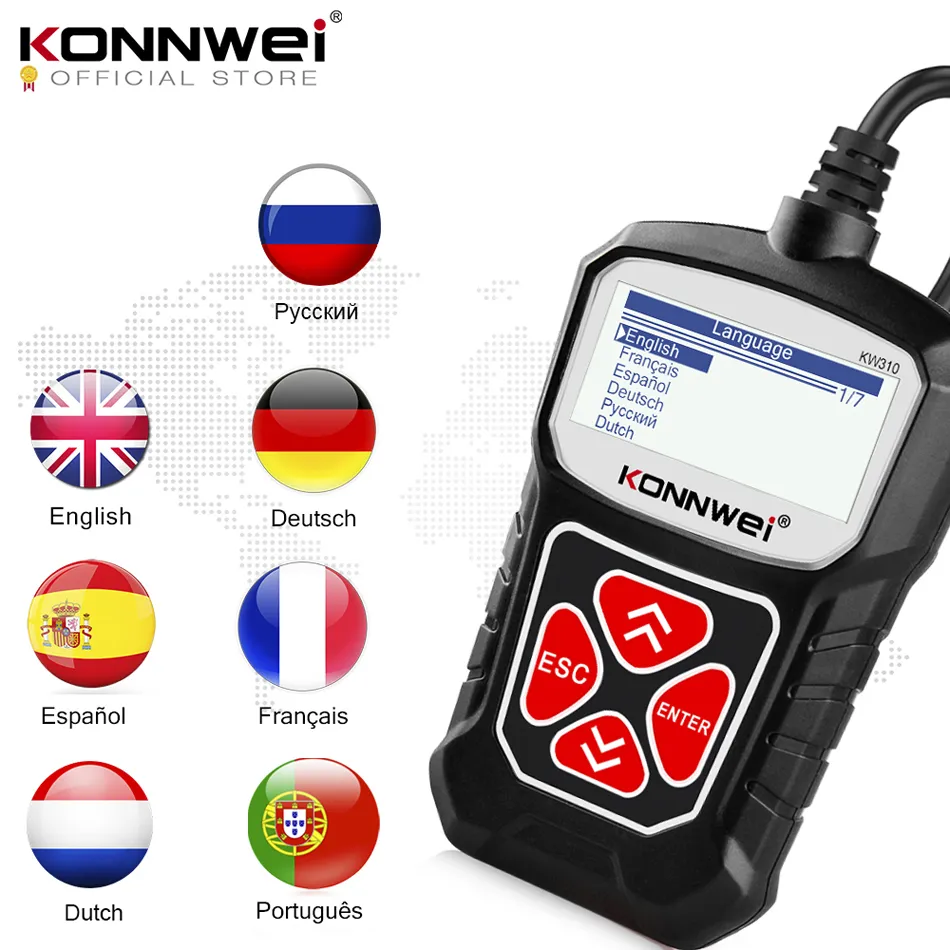
Code readers, also known as OBD-II scanners, are diagnostic tools used to identify and analyze car issues. These devices are plugged into your vehicle's OBD-II port (On-Board Diagnostics) and scan for error codes that are stored within your car's computer system. These error codes can provide valuable information about what went wrong with your car and what needs to be fixed.
The primary benefit of using a code reader is that it can save you time and money. Instead of taking your car to a mechanic to diagnose the issue, you can use a code reader to check for problems yourself. This not only saves you money on diagnostic fees but also allows you to fix minor issues before they turn into major problems.
One of the most significant advantages of code readers is that they are incredibly easy to use. All you need to do is plug the device into your car's OBD-II port, turn on the ignition, and run the scan. Most code readers come with an instruction manual, making it easy for anyone to operate them.
Another advantage of using a code reader is that it can help you keep track of your car's maintenance history. Most code readers have the ability to read and clear error codes, allowing you to reset your car's computer system after a repair. This allows you to keep track of any repairs or maintenance done on your car and ensures that your vehicle is running at peak performance.
Understanding Diagnostic Trouble Codes (DTCs)
If you are a car owner, it is important that you have a basic understanding of your vehicle's diagnostic trouble codes (DTCs) and how they affect the performance of your car. DTCs are codes generated by the onboard computer system of your car to indicate faults or issues with various components.
Definition of DTCs and How They Affect Car Performance
In simple terms, DTCs are error codes that are generated when your car's onboard computer detects an issue with one or more of the car's systems. These codes are displayed on the dashboard or can be read using a diagnostic tool. The presence of a DTC can cause several issues in your car, including reduced power, decreased fuel efficiency, or rough idling.
Explanation of the Different Types of DTCs and Their Significance
There are two types of DTCs - generic and manufacturer-specific. Generic DTCs are standard codes used across all car makes and models, while manufacturer-specific codes are unique to a particular brand. Each DTC has a specific meaning and significance, and it is crucial to understand them to identify the exact problem. For instance, a code that starts with "P" indicates a powertrain problem such as issues with engine performance, transmission, or emissions. Codes starting with "B," "C," or "U" indicate problems with body control, chassis control, and network communication, respectively.
Overview of the Common Causes of DTCs
Several factors can trigger a DTC, ranging from minor to severe problems. Some of the common causes include faulty sensors, damaged wiring, low fluid levels, clogged air filters, and malfunctioning parts such as the oxygen sensor or catalytic converter. Ignoring these DTCs can lead to major repairs over time, compromising your car's safety and performance.
Types of Code Readers
The three main types of code readers are OBD II scanners, diagnostic scan tools, and code readers. OBD II scanners are the most basic type of code reader, used primarily for reading codes related to engine functions in vehicles. They are easy to use and affordable, but they have limited functionality beyond diagnosing basic engine issues.
Diagnostic scan tools are more advanced than OBD II scanners and are capable of diagnosing a wider range of issues across multiple systems, including transmission, ABS, SRS, and more. They are more expensive than OBD II scanners, but they offer more comprehensive diagnostic capabilities.
Code readers are the most advanced type of code reader and are capable of diagnosing issues across multiple systems in real-time. They offer advanced features such as live data streaming and graphing, making them ideal for professional technicians and mechanics. However, they are also the most expensive option and may not be necessary for casual users or DIY repairs.
When choosing a code reader, it is important to consider your specific needs. If you only need to diagnose basic engine issues in your vehicle, an OBD II scanner may be sufficient. If you require more comprehensive diagnostic capabilities across multiple systems, a diagnostic scan tool may be a better choice. If you are a professional technician or mechanic who requires advanced diagnostic features, a code reader may be the best option.
Another factor to consider when choosing a code reader is compatibility. Not all code readers are compatible with all makes and models of vehicles or machinery. Be sure to check the compatibility of any code reader you are considering before making a purchase.
How to Use a Code Reader
Step 1: Prepare Your Code Reader
Before using your code reader, make sure it is fully charged and that you have read the instructions carefully. Most code readers need to be connected to the OBD-II port in your car, which is usually located under the dashboard on the driver's side. Find the port and connect your code reader to it using the cable provided.
Step 2: Turn on the Engine
Start your car's engine and let it run for a few minutes before connecting the code reader. This will ensure that the engine is warmed up and running smoothly before diagnosing any issues.
Step 3: Read the Codes
Once your code reader is connected to the OBD-II port and the engine is running, you can start reading the codes. The code reader will display a series of numbers and letters that correspond to different diagnostic trouble codes (DTCs). These codes indicate specific issues with your vehicle, such as a faulty oxygen sensor or a misfiring engine cylinder.
Step 4: Interpret the Codes
Now that you have the codes, you need to interpret them to understand what they mean. Most code readers come with a manual that lists the various codes and their corresponding definitions. You can also search online for more information or consult with a mechanic for advice.
Step 5: Clear the Codes
After identifying the issue, you may want to clear the codes to turn off any warning lights or check engine lights. To do so, simply follow the steps outlined in your code reader's manual.
Features and Functions of Code Readers
Code readers typically come with several features and functions that make them more user-friendly and versatile. Some of these include:
- Live data streaming: Allows you to view real-time information about your vehicle's performance, such as engine temperature and fuel efficiency.
- Freeze frame data: Captures a snapshot of your vehicle's condition at the time a code was triggered.
- I/M readiness status: Indicates whether your vehicle is ready for emissions testing.
- Code lookup library: Provides a database of codes and their definitions for easy reference.
Common Mistakes to Avoid
When using a code reader, there are a few common mistakes you should try to avoid:
- Failing to properly connect the code reader to the OBD-II port.
- Ignoring warning lights or other symptoms of a problem.
- Misinterpreting or misdiagnosing the codes.
- Failing to clear the codes after fixing the issue.
Conclusion: Importance of Code Readers in Car Maintenance
So, what exactly are code readers? Essentially, they are small electronic devices that connect to your car's onboard computer system and read any diagnostic trouble codes (DTCs) that may be present. These codes can indicate a wide range of issues, from simple problems like a loose gas cap to more complex issues involving your engine or transmission.
One of the main benefits of using a code reader is that it can help you identify and address issues before they become major problems. By catching issues early, you can often avoid more expensive repairs down the line. Additionally, by having access to real-time data about your car's performance, you can make more informed decisions about how to maintain it over time.
Another key advantage of using a code reader is that it can save you time and hassle in the event of a breakdown or other issue. Instead of having to take your car to a mechanic and wait for them to diagnose the problem, you can use a code reader to get immediate feedback on what's going on under the hood. This can help you get back on the road faster and minimize the disruption to your daily routine.
Of course, there are some limitations to what code readers can do. While they can provide valuable insights into your car's performance and alert you to potential problems, they are not a substitute for regular maintenance and check-ups. It's still important to take your car in for routine inspections and oil changes, even if you're using a code reader to keep tabs on its overall health.
Overall, code readers are a must-have tool for anyone who wants to keep their car in top condition. Whether you're a professional mechanic or simply a car owner who wants to stay on top of things, these devices can help you diagnose issues quickly, save money on repairs, and keep your vehicle running smoothly for years to come. So if you haven't already invested in a code reader, now is the time to do so – your car (and your wallet) will thank you for it!
Buy Now
See More: Wholesale Products
FAQ
Q: What is a code reader and how does it work?
A: A code reader is a device that can be used to diagnose problems with your car by communicating with the onboard computer. The reader plugs into a port under the dashboard and retrieves error codes stored in the computer's memory. These codes are then displayed on the screen of the code reader, allowing you to identify the problem and take corrective action.
Q: Can anyone use a code reader or is it only for professionals?
A: Code readers are designed to be user-friendly and can be used by anyone, regardless of their level of technical expertise. Many models come with step-by-step instructions and easy-to-follow menus that guide you through the process of diagnosing and fixing problems with your car. However, it is important to note that while code readers can help you identify the problem, they cannot fix it. You will still need to have the necessary knowledge and skills to repair your car.
Q: Are all code readers the same or are there different types?
A: There are many different types of code readers available on the market, each with its own set of features and capabilities. Some basic code readers can only retrieve error codes, while others can also display live data from your car's sensors and provide advanced diagnostic functions. Additionally, some code readers are designed specifically for certain types of vehicles or systems, such as OBD1 or ABS/airbag systems.
Q: Do I need a code reader if my car is running smoothly?
A: While a code reader is primarily used to diagnose problems with your car, it can also be used as a preventative maintenance tool. By regularly checking your car's error codes, you can catch potential issues before they become major problems and take steps to address them. Additionally, many modern cars have complex systems that require specialized tools to diagnose and repair, making a code reader a valuable investment for any car owner.
Recommended related content
Understanding the Anatomy of the Human Skeleton: A Beginner's Guide
What Are Milk Jars and How to Use Them: A Beginner's Guide for Home Decor.
Maximizing Comfort Outdoors: A Beginner's Guide to Sun Sails for Shade
What Are Machine Heads? A Beginner's Guide to Understanding Guitar Mechanics
What is Gold Stamped Jewelry? A Beginner's Guide to Exquisite Accessories
