
Comparing the Top Teapots with Strainers on the Market Today
Upload time :November 29, 2023
Shares
Reads
Looking for the perfect teapot with strainer to brew your favorite tea? Look no further! We've compared the top materials and design features of these products, so you can find the right one for you. Plus, we'll explain the different functionalities that each teapot offers and how they can benefit your tea drinking experience. And if price is a concern, we've got you covered there too. We'll break down what factors affect the price of a teapot with strainer, so you can make an informed decision without breaking the bank. Get ready to enjoy a perfectly brewed cup of tea with our helpful guide to teapots with strainers!
Material and Design Comparison
Material Comparison:
The top materials used for teapots and strainers include ceramic, glass, stainless steel, and cast iron. Each material has its unique benefits and drawbacks that cater to different tastes and preferences.
Ceramic: Ceramic teapots are a popular choice among tea lovers. They come in various designs and colors, making them aesthetically pleasing. Ceramic holds heat well, ensuring the tea stays warm for longer periods, making it perfect for leisurely sipping tea. However, ceramic is fragile and needs to be handled with care.
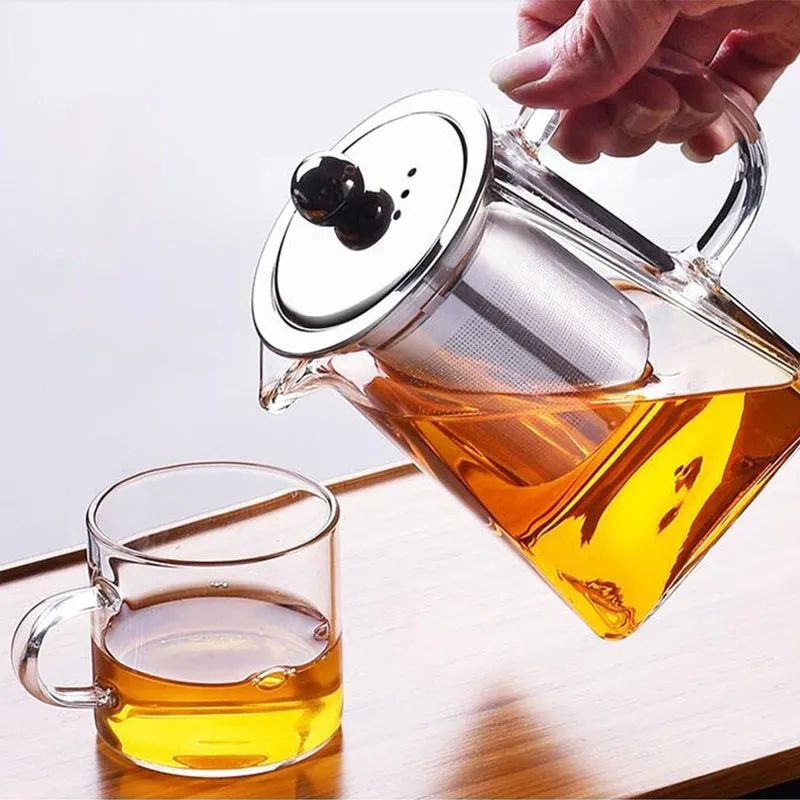
Glass: Glass teapots are an elegant option that allows the visual appreciation of the tea leaves as they steep. They don't absorb flavors and odors, so there's no worry of mixing tea flavors. However, glass teapots can be fragile and prone to breaking, as well as heat loss.
Stainless Steel: Stainless steel teapots are durable, retain heat well, and are easy to clean. They are resistant to rust and corrosion, making them a long-lasting option. However, they do not have the tactile or visual appeal of ceramic or glass.
Cast Iron: Cast-iron teapots are heavy, durable, and retain heat well for a prolonged period, making them suitable for brewing strong teas. They require seasoning before use, which involves coating them with oil and heating them for an extended period. They are also more expensive than other materials.
Design Comparison:
The design features of a teapot with a strainer vary depending on the material and intended use.
Shape: The shape of a teapot affects how the tea brews and pours. Round teapots are better for brewing delicate teas as they allow the tea leaves to circulate freely. Square teapots are better suited for brewing stronger teas as they limit the flow of water, resulting in a more concentrated flavor.
Handle: The handle of a teapot should be comfortable to hold and provide a secure grip. Some teapots feature handles made of the same material as the pot, while others have wooden or silicone handles that stay cool to the touch.
Spout: The spout should allow for precise control over the flow of tea and prevent dribbling. Some teapot spouts have built-in infusers, making it easy to remove the tea leaves.
Strainer: The strainer should be fine enough to catch small pieces of tea leaves and ensure a smooth cup of tea. Some teapots come with a removable strainer that can be cleaned separately, while others have built-in strainers.
Functionality Comparison
Functionality is an important factor when choosing a teapot with strainer because it affects the ease of use, convenience, and overall experience of drinking tea. Different teapot with strainers offers various functionalities that can benefit tea drinkers in different ways.
Firstly, the size of the teapot matters. A smaller teapot is perfect for individuals who prefer to brew a single cup of tea, whereas larger teapots are ideal for those who want to share tea with friends or family. Small teapots are also convenient for steeping loose leaf tea since it enables the tea leaves to expand, unfurl, and release its natural flavor and aroma.
Secondly, the type of strainer used in the teapot is also crucial. Most teapot with strainers comes with a built-in strainer that prevents tea leaves from escaping into the cup. Some teapots have removable strainers, which makes cleaning easier. Stainless steel mesh strainers are durable and long-lasting, but they can affect the taste of the tea. Therefore, ceramic or clay strainers are better options as they preserve the taste of the tea without adding any unwanted flavors.
Thirdly, the material of the teapot affects the brewing temperature and duration. Glass teapots are excellent for brewing delicate teas such as green tea or white tea since they allow the user to monitor the tea's color and strength. Ceramic teapots retain heat well and are suitable for steeping black or oolong teas, which require higher brewing temperatures. Porcelain teapots are also good at retaining heat, but they are more fragile than ceramic teapots.
Finally, some teapot with strainers comes with additional features such as infusers or temperature control. Infusers are useful for brewing loose-leaf tea, but they can be difficult to clean compared to strainers. Electric teapot with temperature control allows users to set the right brewing temperature for different types of tea, which ensures a consistent and flavorful cup of tea every time.
Price Comparison
When comparing prices, it is important to consider the quality of the materials used in each product. A teapot made of high-quality materials such as ceramic or glass may be more expensive than one made of cheaper materials such as plastic. Similarly, a strainer made of stainless steel may be more expensive than one made of plastic.
Brand reputation can also play a role in pricing. Products from well-known brands may be more expensive due to their reputation for quality and durability. However, it is important to note that lesser-known brands may offer similar quality at a lower price point.
Design features can also affect the price of a teapot with a strainer. For example, a teapot with a unique shape or decorative design may be more expensive than a plain, simple teapot. Additionally, teapots with built-in strainers may be more expensive than those with detachable strainers.
It is important to keep in mind that a higher price does not always equate to better quality. It is important to consider all factors when comparing prices and choose a product that best fits your needs and budget.
In conclusion, when considering the price of a teapot with a strainer, it is important to compare prices based on the quality of materials, brand reputation, and design features. By taking these factors into account, you can make an informed decision and find a product that best fits your needs and budget.
Buy Now
See More: Wholesale Products
FAQ
Q1. What are the benefits of using a teapot with a built-in strainer?
A teapot with a built-in strainer offers several benefits. First, it eliminates the need for a separate strainer or infuser, making tea preparation more convenient and hassle-free. Second, it ensures that loose tea leaves do not escape into the cup or pot, providing a cleaner and smoother tea experience. Third, it allows for more precise control over the steeping process, enabling tea drinkers to customize their brews to their liking.
Q2. How do I choose the right teapot with a strainer?
When choosing a teapot with a strainer, there are a few factors to consider. First, consider the material of the pot, as this can impact the taste and aroma of the tea. Ceramic and glass pots are popular choices as they do not retain flavors or odors. Second, think about the size and capacity of the pot, as this will depend on how much tea you typically brew at once. Finally, consider the type of strainer and whether it is removable or built-in, as this can impact ease of use and cleaning.
Q3. Can I still use teabags with a teapot with a strainer?
Yes, teapots with strainers are versatile and can accommodate both loose tea and teabags. Simply place the teabag in the strainer or infuser and steep as usual. However, note that teabags may not provide the same quality of tea as loose tea, and some tea enthusiasts prefer to use only loose tea with a strainer.
Q4. How do I clean a teapot with a strainer?
Cleaning a teapot with a strainer is relatively straightforward. If the strainer is removable, simply rinse it under hot water and wash with soap as needed. If the strainer is built-in, gently scrub the interior of the pot with a brush or sponge to remove any residue. Avoid using harsh chemicals or abrasive materials as these can damage the pot and affect the taste of the tea.
Recommended related content
The Top 5 Most Stylish Bird Cages on the Market
What are the Top Features of the Chery Tiggo?
What Are the Top Tourist Attractions in the Czech Republic?
