
DIY Tea Kettle Cleaning Solutions Using Natural Ingredients
Upload time :December 1, 2023
Shares
Reads
Looking to give your tea kettle a deep clean? Look no further than your pantry. We've got three DIY cleaning solutions that will leave your kettle looking like new. First up, lemon juice. With its natural acidity, lemon juice can cut through hard water stains and remove any lingering odors. Just follow our step-by-step instructions for a sparkling kettle. Next, vinegar is an excellent option for removing mineral buildup. It's also known for its disinfecting properties, leaving your kettle both clean and safe to use. Finally, baking soda is a gentle but effective cleaner that can get rid of stubborn stains without scratching the surface. No matter which solution you choose, be sure to take precautions to protect yourself and your tea kettle. Happy cleaning!
DIY Tea Kettle Cleaning Solution using Lemon Juice
One of the best cleaning agents to use for your tea kettle is lemon juice. Not only is it an effective cleaner, but it's also environmentally friendly and non-toxic. Here's how to clean your tea kettle using lemon juice:
Step 1: Fill your tea kettle with water and add a cup of lemon juice to it.
Step 2: Place the kettle on the stove and bring the solution to a boil.
Step 3: Allow the solution to simmer for around 15 minutes.
Step 4: Turn off the stove and allow the kettle to cool down.
Step 5: Pour out the solution and give the tea kettle a thorough rinse with warm water.
Voila! Your tea kettle should now be sparkling clean.
Using lemon juice as a cleaning agent has several benefits. Firstly, it's a natural disinfectant and can kill bacteria and germs that may be lurking in your tea kettle. Secondly, it's an effective way to remove stains and limescale buildup without the need for harsh chemicals. Lastly, it leaves behind a fresh, citrus scent, making your tea kettle smell great too.
However, it's important to take some precautions while cleaning with lemon juice. Firstly, make sure you don't use too much lemon juice as it can corrode metal surfaces over time. Also, if your tea kettle is made from copper or brass, do not use lemon juice as it can cause discoloration. Lastly, make sure you rinse the tea kettle thoroughly after cleaning to avoid any residual lemon juice affecting the taste of your tea.
DIY Tea Kettle Cleaning Solution using Vinegar
Tea kettles are an essential item in every household, but they can quickly become dirty and stained from regular use. Luckily, there is an easy and cost-effective method to clean your tea kettle with vinegar. In this article, we will provide step-by-step instructions on how to clean a tea kettle using vinegar, the benefits of using vinegar as a cleaning agent, and precautions to take while cleaning with vinegar.
Step-by-Step Instructions:
1. Fill the tea kettle with equal parts water and vinegar. You can use white vinegar or apple cider vinegar, depending on your preference.
2. Allow the solution to sit in the kettle for about 30 minutes, or longer if the kettle is heavily stained.
3. After the solution has soaked for the desired amount of time, dump it out and give the kettle a thorough rinse with hot water.
4. If there are any stubborn stains remaining, you can create a paste with baking soda and water and scrub the kettle with a soft-bristled brush.
5. Rinse the kettle thoroughly again with hot water, and pat dry with a clean towel.
Benefits of using Vinegar as a Cleaning Agent:
Vinegar is a natural cleaning agent that is highly effective at removing mineral deposits and stains. It is also safe to use on most surfaces and is non-toxic, making it an ideal choice for cleaning kitchen appliances like tea kettles. Additionally, vinegar is inexpensive and widely available at grocery stores and online retailers.
Precautions to Take While Cleaning with Vinegar:
While vinegar is a safe and effective cleaning agent, there are a few precautions to keep in mind while using it to clean your tea kettle. Firstly, avoid using vinegar on delicate surfaces like marble or granite, as it can cause damage. Secondly, be mindful of the vinegar's strong smell, as some people may find it unpleasant. Lastly, never boil vinegar directly in a tea kettle, as this can cause damage to the appliance.
DIY Tea Kettle Cleaning Solution using Baking Soda
Step-by-step instructions on how to clean a tea kettle using baking soda:
1. Fill your tea kettle with equal parts water and white vinegar.
2. Bring the solution to a boil and let it simmer for 10-15 minutes.
3. Remove the kettle from heat and add two tablespoons of baking soda to the solution.
4. Let the mixture sit for 5-10 minutes before pouring it out.
5. Rinse the kettle thoroughly with warm water and dry it with a soft cloth.
Benefits of using baking soda as a cleaning agent:
Baking soda is a natural, non-toxic cleaning agent that is gentle on surfaces while still being effective at removing grime and stains. It is also affordable and readily available, making it a popular choice for those looking to avoid harsh chemicals. Using baking soda to clean your tea kettle can also help remove any lingering odors and improve the overall taste of your tea.
Precautions to take while cleaning with baking soda:
While baking soda is generally safe to use, there are some precautions you should take while cleaning your tea kettle. First, make sure to let the solution cool down before handling the kettle to avoid burns. Additionally, avoid using abrasive tools or scrubbers that could scratch the kettle's surface. Finally, rinse the kettle thoroughly with warm water after cleaning to ensure there is no baking soda residue left behind.
In conclusion, using baking soda to clean your tea kettle is an easy and effective DIY solution that can help keep your kettle looking and functioning its best. By following these simple steps and taking the necessary precautions, you can enjoy a cleaner, fresher-tasting cup of tea every time.
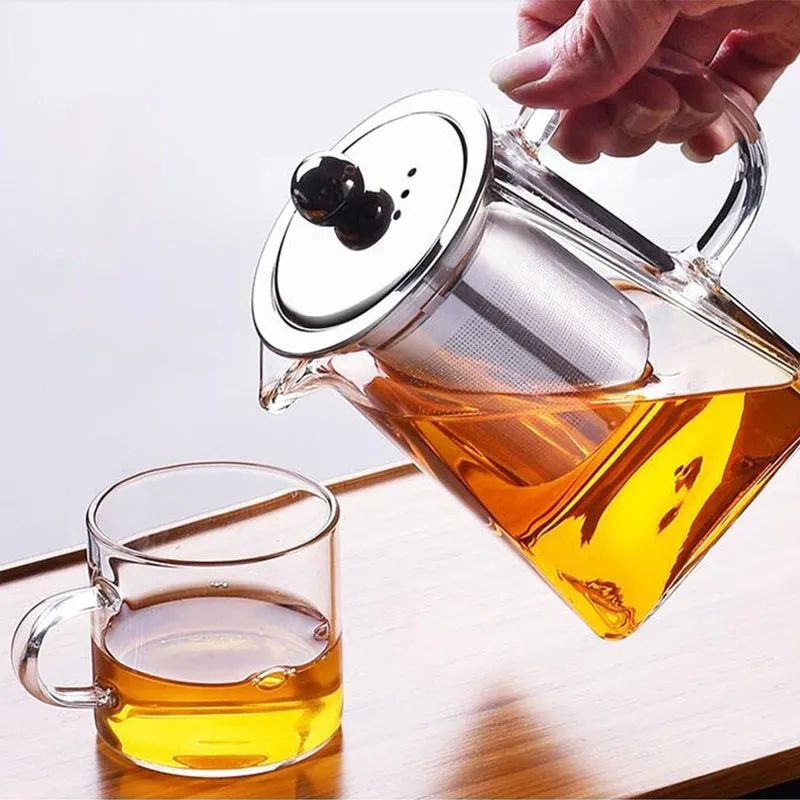
Buy Now
See More: Wholesale Products
FAQ
Q1. What are some natural ingredients I can use to clean my tea kettle?
There are several natural ingredients that can be used to effectively clean your tea kettle including baking soda, white vinegar, lemon juice, and citric acid. Baking soda can be used as a gentle abrasive to remove stains and buildup, while white vinegar can be used to dissolve mineral deposits. Lemon juice is effective at removing rust stains and citric acid is a good alternative to white vinegar for dissolving mineral deposits.
Q2. How often should I clean my tea kettle?
The frequency of cleaning your tea kettle depends on how often you use it and the type of water you use. If you use tap water with a high mineral content, you may need to clean your tea kettle more frequently than someone who uses filtered water. Generally, it's recommended to clean your tea kettle every 1-2 months to prevent a buildup of mineral deposits and bacteria.
Q3. Can I use these natural cleaning solutions on all types of tea kettles?
Yes, these natural cleaning solutions can be used on all types of tea kettles including stainless steel, glass, and ceramic. However, it's important to check the manufacturer's instructions before using any cleaning solution on your tea kettle to avoid damaging the finish or material.
Q4. Are there any additional tips for maintaining my tea kettle?
To prolong the life of your tea kettle and ensure it stays clean, it's important to regularly rinse it out after each use and avoid leaving water standing in the kettle for extended periods of time. Additionally, if you notice any cracks or damage to the tea kettle, it's best to replace it rather than trying to repair it yourself.
Recommended related content
DIY Hat Hanging Solutions for Small Spaces
Eco-Friendly Cleaning Solutions: How Cleaning Rags Can Help Reduce Waste
The benefits of using natural ingredients in foaming soaps
DIY Guide to Cleaning and Maintaining Your French Chandelier for Longevity
DIY Cleaning Solutions for Makeup Brushes: Natural and Affordable Options
