
Cleaning and Maintaining Your Mesh Strainer: Tips and Tricks for Longevity
Upload time :August 31, 2023
Shares
Reads
If you're a fan of cooking, then you know the importance of a good mesh strainer. However, it's not just enough to have one - you need to take care of it properly as well. Cleaning and maintaining your strainer is crucial for preventing rust buildup and clogging, as well as prolonging its lifespan. To do so, follow these simple steps: use warm water and soap, avoid abrasive materials, and don't let food sit in the strainer for too long. Proper handling and storage are also key to keeping your strainer in top condition. Finally, invest in a quality strainer and establish a regular maintenance routine to prevent common problems like rust buildup and damaged mesh. By following these tips, your mesh strainer will last for years to come.
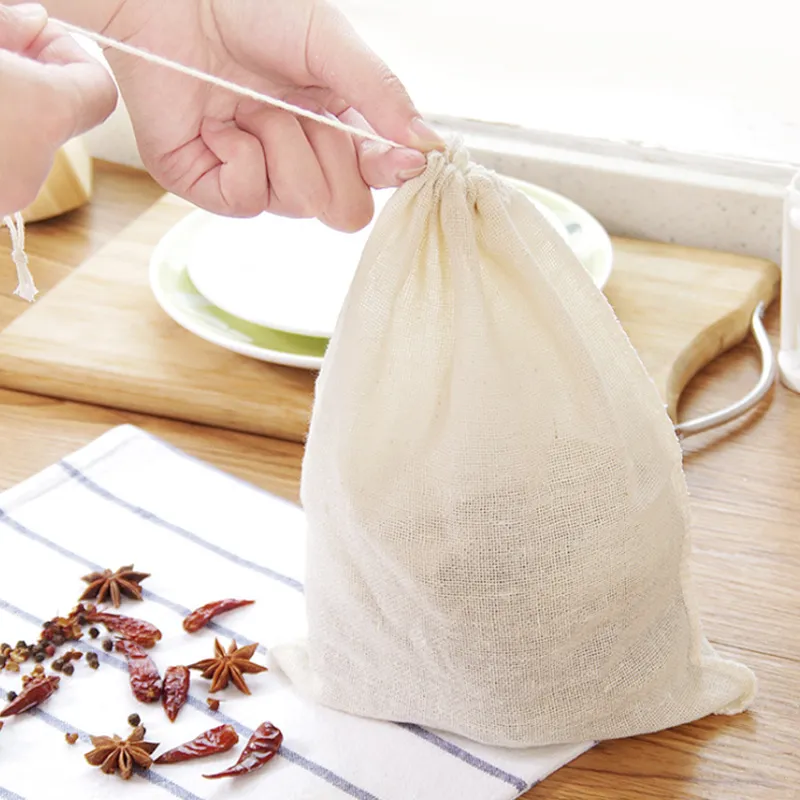 Buy NowSee More: Wholesale Products
Introduction: The importance of cleaning and maintaining your mesh strainer
1. How to clean your mesh strainer:
- Rinse with warm water
- Use a soft-bristled brush or sponge
- Use dish soap if necessary
- Dry thoroughly
2. Common mistakes to avoid while cleaning your mesh strainer:
- Using harsh chemicals
- Scrubbing too hard
- Leaving it wet for too long
3. Tips for maintaining your mesh strainer:
- Clean after every use
- Store in a dry place
- Replace when necessary
Cleaning your mesh strainer
Step 1: Soak the Strainer
Before cleaning your mesh strainer, it is important to soak it in warm water for a few minutes. This will loosen any food particles stuck in the mesh holes.
Step 2: Scrub the Mesh
Using a soft-bristled brush or sponge, gently scrub the mesh holes to remove any remaining food particles. Avoid using harsh abrasives or steel wool as they can damage the mesh.
Step 3: Wash with Soap and Water
After scrubbing, wash the strainer with soap and hot water to remove any remaining dirt and grease. Use a dishwashing liquid that is safe for metal utensils.
Step 4: Rinse Thoroughly
Rinse the strainer thoroughly under running water to remove any soap residue. Make sure to rinse both sides of the mesh to ensure that there is no residue left.
Step 5: Dry the Strainer
Pat the strainer dry with a clean towel or paper towel. To ensure that there is no moisture left, leave the strainer out to air dry.
Materials Needed for Cleaning
To effectively clean your mesh strainer, you will need:
- Warm water
- Soft-bristled brush or sponge
- Dishwashing liquid
- Clean towel or paper towel
Do's and Don'ts of Cleaning Your Strainer
Do's:
- Soak your strainer before cleaning to loosen any food particles.
- Use a soft-bristled brush or sponge to scrub the mesh holes gently.
- Wash the strainer with soap and hot water to remove any remaining dirt and grease.
- Rinse the strainer thoroughly under running water to remove any soap residue.
- Pat the strainer dry with a clean towel or paper towel.
- Leave the strainer out to air dry to ensure that there is no moisture left.
Don'ts:
- Do not use harsh abrasives or steel wool to scrub the mesh holes as they can damage the mesh.
- Do not put your strainer in the dishwasher as it can cause the mesh to warp or break.
- Do not let the strainer air dry without patting it dry first as it can lead to rust or corrosion.
Tips for maintaining your mesh strainer
To ensure that your mesh strainer performs at its best, it is vital to maintain it regularly. Proper handling and storage, prevention of rust buildup, and a regular maintenance routine can extend the lifespan of your mesh strainer. In this article, we will discuss some tips for maintaining your mesh strainer.
Proper Handling and Storage
The first step towards maintaining your mesh strainer is proper handling and storage. Always handle your strainer with care and avoid dropping it as it may cause damage to the mesh. Also, avoid using harsh chemicals or abrasive cleaners as they can scratch or damage the mesh surface.
After usage, clean the mesh strainer with warm soapy water or put it in the dishwasher. Make sure to dry it thoroughly before storing it away. Keep it in a dry place, away from moisture and other kitchen tools that could potentially damage it.
Preventing Rust Buildup
Rust buildup is a common problem with mesh strainers, especially those made of metal. It not only affects the strainer's effectiveness but also poses health risks. To prevent rust buildup, always dry your mesh strainer thoroughly after cleaning, and never soak it in water for an extended period.
Another way to prevent rust buildup is by using a food-grade oil to coat the mesh. Simply apply a thin layer of oil on the mesh surface before storing it away. This will create a protective layer that prevents moisture from building up and causing rust.
Regular Maintenance Routine
A regular maintenance routine is essential to keep your mesh strainer in top condition. After each use, rinse it under running water to remove any leftover residue. If there's still debris or particles stuck in the mesh, use a soft-bristled brush or toothbrush to gently scrub it off.
For stubborn stains or residue, soak your mesh strainer in a mixture of warm water and vinegar. Let it sit for 10-15 minutes, then rinse it off with hot water. Avoid using harsh chemicals or bleach as they can damage the mesh.
Lastly, inspect your mesh strainer regularly for any signs of wear and tear. Check for holes, tears, or loose strands in the mesh. If you notice any damage, replace your mesh strainer immediately to avoid any health risks.
Common problems with mesh strainers
The first problem that many mesh strainer users encounter is rust buildup. Rust is the result of the oxidation of iron or steel, and it can occur when the metal is exposed to water or moisture over time. This is especially true for mesh strainers that are frequently used and washed but not dried properly. Rust can weaken the mesh and cause it to break down, making the strainer less effective at its job. To avoid rust buildup, it is important to dry the strainer thoroughly after every use and store it in a dry place. Also, investing in a high-quality stainless steel mesh strainer can help prevent rust and ensure a longer lifespan for the tool.
Another common issue that mesh strainers face is clogging. Mesh strainers are designed to trap small particles while allowing liquids to pass through, but sometimes, the mesh can become clogged with debris, making it difficult to strain effectively. This can happen if the strainer is used for something that it isn't suited for, or if the mesh is too fine for the task at hand. To avoid clogging, it's best to match the strainer to the job and choose a mesh size that is appropriate. For example, a coarse-mesh strainer would be better for straining pasta or vegetables, while a fine-mesh strainer would be more suitable for sifting flour or powdered sugar.
Lastly, damaged mesh is also a common problem that users encounter with mesh strainers. Over time, the mesh can become stretched, torn, or punctured, making it less effective or unusable altogether. This can happen due to harsh washing or rubbing against other utensils in the kitchen drawer. To prevent damage to the mesh, it's important to handle the strainer gently when cleaning it and storing it properly. Additionally, inspecting the strainer periodically for any signs of wear and tear can help identify issues early on and prevent further damage.
Conclusion: Recommendations and final thoughts
The most common types of mesh strainers are made from stainless steel or nylon. Stainless steel strainers are durable and long-lasting, making them ideal for heavy-duty use. They also offer excellent resistance to rust and corrosion, ensuring that they remain hygienic and easy to clean. Nylon strainers, on the other hand, are lightweight and flexible, making them great for delicate tasks such as sifting flour or dusting powdered sugar onto pastries.
In terms of size, mesh strainers come in a range of diameters and depths. Consider the size of the items you will be straining when choosing a mesh strainer. A larger diameter strainer will be suitable for straining pasta or large vegetables, while a smaller strainer may be better suited for tea leaves or spices.
When investing in a mesh strainer, it is important to consider the quality of the product. Cheaper models may be flimsy and prone to warping over time. Look for a mesh strainer with sturdy construction and a well-fitting handle for comfortable use. A good strainer should also have fine mesh that effectively strains out unwanted particles without allowing anything to slip through.
Once you have chosen the best mesh strainer for your needs, it is important to take care of it properly to ensure its longevity. After each use, rinse the strainer thoroughly with warm water to remove any residual food particles. If necessary, use a mild detergent and a soft brush to gently scrub away any stains.
Finally, store your mesh strainer in a dry location to prevent rust and damage. You can also hang it up by the handle or place it in a drawer with other kitchen tools.
In conclusion, investing in a quality mesh strainer is essential for any home cook or baker. By choosing the right type of strainer and taking proper care of it, you can enjoy reliable performance for years to come. Whether you prefer stainless steel or nylon, a larger or smaller diameter, there is a mesh strainer out there that will meet your needs. So, go ahead and upgrade your kitchen tool kit today!
FAQ
Q1. How do I clean my mesh strainer?
To clean your mesh strainer, simply rinse it under running water and use a soft-bristled brush or sponge to remove any stuck-on debris. For more stubborn stains, soak the strainer in warm soapy water for a few minutes before scrubbing. It is advisable to clean your mesh strainer immediately after use to prevent food particles from hardening.
Q2. Can I put my mesh strainer in the dishwasher?
While some mesh strainers are labeled as dishwasher-safe, it is advisable to hand wash them instead. The high heat and harsh detergents used in dishwashers can cause the mesh to warp or become brittle over time, reducing its effectiveness. Additionally, the small size of most mesh strainers makes them easy to wash by hand.
Q3. How often should I replace my mesh strainer?
The lifespan of your mesh strainer largely depends on how frequently you use it, how well you maintain it, and the quality of the strainer. A good quality mesh strainer that is well-maintained can last for several years. However, if you notice any signs of wear and tear, such as holes in the mesh or rusting around the edges, it may be time to replace your strainer.
Q4. Can I use a mesh strainer for other purposes besides cooking?
Mesh strainers are designed specifically for use in the kitchen and are not recommended for other applications. Using a mesh strainer for anything other than its intended purpose can cause damage to the mesh, rendering it ineffective. Furthermore, using a strainer for non-food items can introduce harmful chemicals and bacteria into your food, posing a risk to your health.
