
Cork vs. Other Wine Bottle Closures: Pros and Cons
Upload time :August 23, 2023
Shares
Reads
As a wine enthusiast, choosing the right bottle closure can make or break your experience. Traditional cork closures offer an elegant appeal but come with the potential for cork taint or leakage. Alternatively, screw caps and synthetic corks provide a more affordable and reliable option. Consumer preferences vary depending on factors such as price point and region, with some preferring the natural look of cork while others prioritize convenience. So next time you're selecting a bottle of wine, consider your own preferences and weigh the pros and cons of each option to ensure the perfect sip every time.
Pros and Cons of Cork Closures
Advantages of Cork Closures
One of the biggest advantages of cork closures is their natural aesthetic appeal. The texture and color of cork gives wine bottles an elegant and sophisticated look. Additionally, cork closures are biodegradable and sustainable, making them an environmentally friendly option.
Another advantage of cork closures is their ability to allow wine to age properly. Cork allows small amounts of oxygen to enter the bottle, which helps the wine mature and develop its unique flavor profile over time.
Disadvantages of Cork Closures
The most significant disadvantage of cork closures is the potential for cork taint. This occurs when a chemical compound called 2,4,6-trichloroanisole (TCA) contaminates the cork. When TCA comes into contact with wine, it can cause a musty or moldy odor that ruins the wine's flavor and aroma.
In addition to cork taint, cork closures also have a higher risk of leakage compared to other closure options. The porous nature of cork can allow air to seep into the bottle, causing the wine to oxidize and spoil.
Alternative Closure Options
To address these issues, many winemakers have turned to alternative closure options such as screw caps or synthetic corks. These closures provide a more reliable seal and reduce the risk of cork taint and leakage.
However, traditional cork closures still have their place in the wine industry. Many wine enthusiasts appreciate the natural aesthetic appeal and aging potential of cork closures. Additionally, some argue that the risks associated with cork taint are overstated and that proper storage can minimize the likelihood of contamination.
Alternative Wine Bottle Closures
For centuries, cork has been the traditional choice of closure for wine bottles. However, in recent years, alternative closures have emerged as viable options in the market. This article will explore the benefits and drawbacks of alternative wine bottle closures, such as screw caps and synthetic corks, for consumers who are looking for alternative options.
Screw Caps
Screw caps are becoming increasingly popular because they provide a convenient and practical solution for sealing wine bottles. They are easy to open and close, which makes them ideal for everyday drinking. Moreover, they are very effective at preserving the quality and freshness of wine. Unlike cork, screw caps do not allow air to enter the bottle, which can cause the wine to spoil.
However, there are some drawbacks to using screw caps. Some wine enthusiasts argue that they can affect the flavor and aging process of wine. Additionally, screw caps may not be suitable for premium wines that require long-term aging.
Synthetic Corks
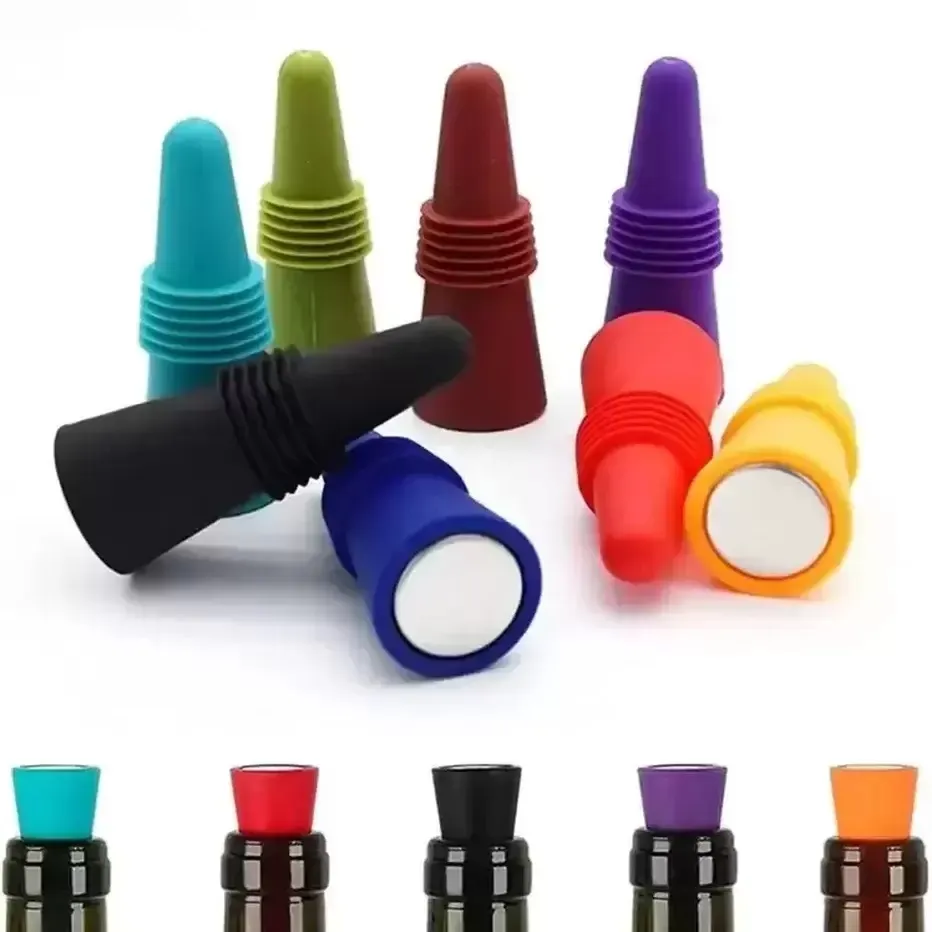
Synthetic corks are another alternative that has gained popularity in recent years. These imitation corks are made from materials such as plastic or silicon, and they are designed to mimic the properties of natural cork. They are more durable than traditional cork and do not break down over time, which means they can provide a consistent seal for many years.
One of the main advantages of synthetic corks is that they are less susceptible to cork taint, which is caused by a chemical compound called TCA. This can affect up to 5% of all cork-sealed wines and results in a musty smell and a loss of flavor. Synthetic corks eliminate this problem altogether.
However, like screw caps, synthetic corks also have some drawbacks. Some critics argue that they do not provide the same level of breathability as natural cork, which can affect the aging process of wine. Additionally, some wine enthusiasts believe that synthetic corks can impart a plastic-like taste to the wine.
Consumer Preferences
Wine is a popular beverage enjoyed by many people around the world. It is served in restaurants, bars, and homes for special occasions as well as casual gatherings. As the wine industry has grown, so has the variety of wine bottle closures available. Consumers have different preferences when it comes to choosing a closure for their wine bottle. In this article, we will discuss consumer preferences for wine bottle closures and how they may vary depending on factors such as price point and region.
Cork is the traditional wine bottle closure, and it remains the most popular choice among consumers. Corks are natural, sustainable, and allow the wine to breathe. However, they can also be expensive, and there have been concerns about inconsistent quality and cork taint, which can spoil the taste of the wine. Synthetic corks have become increasingly popular as an alternative to natural cork. They are affordable, easy to use, and provide consistent quality. However, some wine enthusiasts believe that synthetic corks do not allow the wine to age properly.
Screw caps are another popular option for wine bottle closures. They are affordable, easy to use, and prevent cork taint. Screw caps are often used for young wines that are meant to be consumed within a few years of release. However, some consumers associate screw caps with lower quality wines and prefer cork closures for high-end wines.
Consumers may also choose a closure based on the region where the wine was produced. In Europe, cork closures are still the preferred choice for wines from traditional regions such as Bordeaux, Burgundy, and Tuscany. In the United States, screw caps are more commonly used for wines from California and Oregon.
Price point is another factor that can influence consumer preferences for wine bottle closures. High-end wines are often associated with cork closures, while mid-range and budget wines may use synthetic corks or screw caps. However, there are exceptions to this rule, and some high-end wineries are experimenting with alternative closures such as glass stoppers and ceramic plugs.
In conclusion, consumer preferences for wine bottle closures vary depending on factors such as price point and region. Cork closures remain the most popular choice among consumers, but synthetic corks and screw caps are gaining popularity. The choice of closure can impact the perceived quality of the wine, so wineries must carefully consider the preferences of their target audience when choosing a closure for their products. Ultimately, the best closure for a wine bottle is one that preserves the quality of the wine and meets the expectations of the consumer.
FAQ
Q1. What are the advantages of using cork as a wine bottle closure compared to other alternatives?
Cork is an all-natural material that provides an excellent seal for wine bottles, preventing air from entering and keeping the wine fresh for extended periods. It also allows the wine to breathe, which can enhance its flavor and aroma. Additionally, cork is biodegradable and renewable, making it an eco-friendly choice.
Q2. Are there any disadvantages to using cork as a wine bottle closure?
One potential drawback of cork is that it can be prone to 'cork taint,' which occurs when a chemical compound called TCA (trichloroanisole) contaminates the cork and imparts an unpleasant musty odor and flavor to the wine. However, this issue has been largely addressed through improved manufacturing processes and quality control measures.
Q3. What are some of the other alternatives to cork for wine bottle closures?
Other options include screw caps, synthetic corks, and glass stoppers. Screw caps provide a reliable seal and are easy to open, but they don't allow the wine to breathe like cork does. Synthetic corks offer a similar look and feel to traditional cork but are less susceptible to cork taint. Glass stoppers provide an elegant appearance and prevent any possible interaction between the cork and the wine, but they can be more expensive and fragile than other options.
Q4. How do I know which type of wine bottle closure is best for my needs?
The choice of closure ultimately comes down to personal preference and the specific requirements of the wine being bottled. If you're looking for a traditional option that allows the wine to age and develop over time, cork may be the best choice. If convenience and consistency are a priority, screw caps or synthetic corks may be more suitable. Ultimately, winemakers should choose a closure that best suits their wine's characteristics and their customers' preferences.
 Buy NowSee More: Wholesale Products
