
How to Choose the Right Size Planter for Your Plants
Upload time :October 4, 2023
Shares
Reads
Choosing the correct planter size is crucial for healthy plant growth and aesthetics. Start by assessing your plant's size and potential growth, as a larger plant will require more space to grow. Consider the root system of your plants, as those with extensive roots will need a bigger planter. The location of the planter should also be considered; smaller planters may be suitable for limited spaces, while larger ones are better for outdoor areas or spacious rooms. Choose a proportionate size that complements the decor of the surrounding area. Lastly, drainage and watering needs are critical factors to consider. Ensure adequate drainage holes in the pot and consider that larger planters retain moisture for longer periods, affecting watering frequency. By following these guidelines, you can choose the perfect planter to keep your plant thriving.See More: DIY Ideas to Customize Your Aesthetic Room Décor
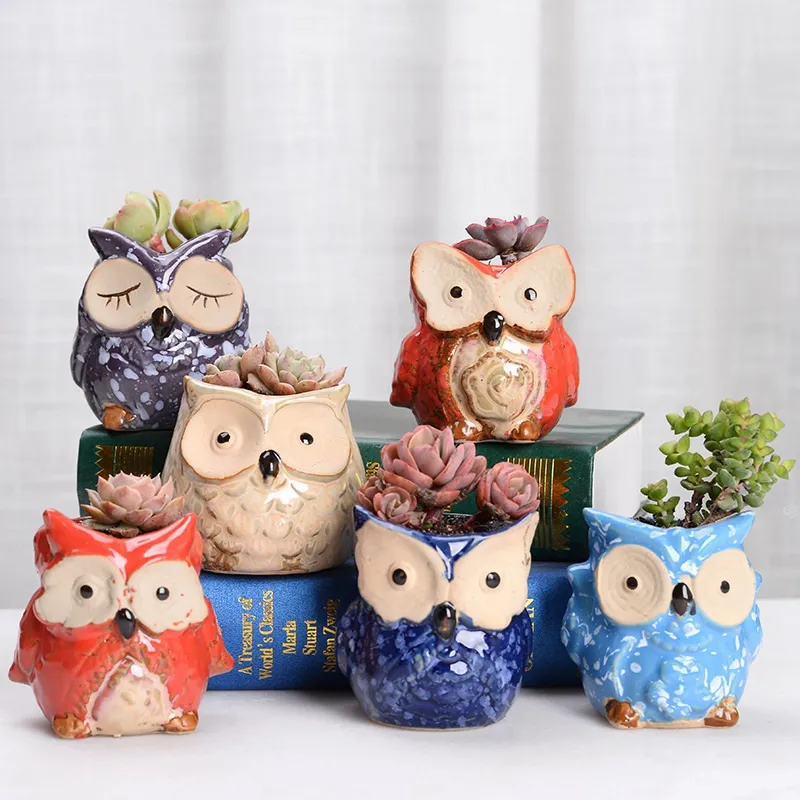
Buy Now
See More: Wholesale Products
Assess the size of your plant
The first step in choosing the right planter size is assessing your plant's size and growth potential. A small plant may not require a large planter, while a larger plant will need adequate space to grow. When choosing a planter, it is important to consider the width and depth of the container. The planter should be larger than the root ball of the plant to allow for proper drainage and to prevent the roots from becoming cramped.
Another factor to consider when choosing a planter size is the type of plant you are growing. Some plants have shallow roots, while others have deep roots. In general, plants with shallow roots can do well in a shallower planter, while plants with deeper roots require a deeper planter. For example, herbs and small flowers can do well in a planter that is six inches deep, while tomatoes and other large vegetables require a deeper planter, at least 12 inches deep.
It is also essential to consider the growth rate of your plant. If you have a fast-growing plant, you may need to opt for a larger planter to accommodate its growth. Additionally, plants that are known to spread out as they grow, such as ivy or ferns, may require a wider planter to provide ample space for their sprawling foliage.
Finally, it is important to consider the overall placement of your planter. If you plan to place your planter indoors, you may need to choose a smaller planter that fits comfortably on a windowsill or coffee table. Alternatively, if you plan to place your planter on a patio or deck, you may opt for a larger planter that can make a statement and add visual interest to your outdoor space.See More: What are the best coffee table styling tips for small living rooms?
Consider the root system
First and foremost, let's discuss the importance of considering the root system of your plants. The root system is the foundation of your plant's growth and development. It's responsible for absorbing water and nutrients from the soil, providing stability to the plant, and anchoring it in place. Without a healthy root system, your plant is likely to struggle and may even die.
When choosing a planter for your plant, it's important to consider the type of root system it has. Some plants have shallow roots, while others have deep and extensive root systems. If your plant has a shallow root system, it won't require a deep planter. However, if your plant has a deep root system, it will need a larger planter to accommodate its growth.
It's also essential to choose a planter container that allows for proper drainage. If your planter doesn't have adequate drainage holes, your plant may suffer from root rot, which can ultimately lead to plant death. Be sure to select a planter with enough drainage holes, or you can drill them yourself if necessary.
Another factor to consider when selecting a planter is the material it's made from. Different materials, such as clay, plastic, or ceramic, will affect the amount of moisture retained by the soil. For instance, a clay pot will absorb more moisture than a plastic pot, so it's best to use a clay pot for plants that require dry soil. On the other hand, if your plant thrives in moist soil, a plastic pot may be more suitable.
Determine the location of the planter
Indoor vs. Outdoor
The first decision to make is whether you will be using your planter indoors or outdoors. If you plan on using your planter outdoors, you'll want to consider the climate in your area and choose a material that can withstand the elements. Plastic, resin, and fiberglass planters are good options for outdoor use as they are weather-resistant and lightweight. On the other hand, if you plan on using your planter indoors, you have more freedom to choose from materials like ceramic, clay, or metal.See More: The Environmental Impact of Fiberglass: Is It an Eco-Friendly Choice?
Choosing the Right Size
Once you've determined whether you'll be using your planter indoors or outdoors, it's time to think about size. If you're placing your planter on a windowsill or small shelf, a smaller planter may be more practical. However, if you have a spacious room or outdoor area, a larger planter can make a statement and add a pop of color to any space. It's important to also consider the size of the plant you'll be placing in the planter. Make sure there's plenty of room for the plant to grow, but don't choose a planter that's too large, as this can make the plant look small and out of place.
Consider the Style of Your Space
Another important factor to consider when choosing a planter is the overall style of the space you plan on placing it in. A modern, minimalist room might call for a sleek, simple planter, while a rustic, farmhouse-style space might benefit from a distressed, earthenware planter. Consider the colors, textures, and patterns in your space and choose a planter that complements the existing decor.
Choose a proportionate size
When selecting a planter, it is essential to consider the size of your plant. A planter that is too small will not provide enough room for your plant's roots to grow and can stunt its growth. On the other hand, a planter that is too large can lead to overwatering and cause root rot. Therefore, it is crucial to choose a planter that is proportionate to the size of your plant. You can determine the appropriate planter size by measuring the height and width of your plant's root ball and selecting a planter that is slightly larger.
Aside from the size of your plant, you should also consider the surrounding decor when choosing a planter. The planter should complement the style and color scheme of your living space. For instance, if your home has a modern and minimalistic aesthetic, choose a planter with clean lines and a neutral color palette. Alternatively, if your interior design is eclectic and colorful, opt for a planter that has unique patterns and bright colors.See More: Elevate Your Interior Design with These Trendy Decorative Plant Pots
Another factor to consider when selecting a planter is the material it is made from. Planters are available in a variety of materials, including ceramic, plastic, wood, and metal. Each material has its own benefits and drawbacks. Ceramic planters are durable and long-lasting, but they can be heavy and prone to cracking. Plastic planters are lightweight and affordable, but they may not be as aesthetically pleasing as other materials. Wooden planters are eco-friendly and add a natural element to your living space, but they require regular maintenance and may rot over time. Metal planters are sturdy and weather-resistant, but they can be expensive and may corrode if exposed to moisture.See More: Affordable Runner's Bags That Don't Skimp on Quality
Consider drainage and watering needs
Proper drainage is essential for plant health, as waterlogged roots can quickly lead to root rot and other issues. Before selecting a planter, make sure it has adequate drainage holes to allow excess water to escape. If a planter doesn't have enough drainage holes, it's easy to add more using a drill or hammer and nail.
In addition to drainage, the size of your planter can impact watering frequency. Larger planters will generally retain moisture for longer periods, meaning you may not need to water as frequently. This can be beneficial for busy gardeners or those who want to reduce their water usage.
However, it's important to strike a balance between container size and plant needs. If a container is too large for a plant, the soil may stay too wet for too long, leading to root rot. Alternatively, if a container is too small, the plant may become root-bound and struggle to access nutrients and water.
To determine the right planter size for your plant, consider its growth habits and space requirements. Some plants, like herbs or annuals, may do well in smaller containers, while larger plants like trees or shrubs may require larger containers to accommodate their root systems.
It's also worth considering the overall aesthetic of your container garden. Choosing containers of varying sizes and shapes can create visual interest and allow you to experiment with different planting combinations.
Ultimately, selecting the right planter size comes down to balancing the needs of your plants with your own preferences and constraints. By considering drainage and watering needs, as well as your plant's growth habits and aesthetics, you can choose the perfect planter for your container garden.
FAQ
Q1. What factors should I consider when choosing the right size planter for my plants?
When choosing a planter size, consider the plant's growth rate, final mature size, and root system. You want to choose a planter that will not only accommodate the plant's current size but also give it enough space to grow comfortably without becoming root-bound. Additionally, consider the location where the planter will be placed and ensure that it is suitable for the plant's light and water requirements.
Q2. Can I use a smaller planter than recommended for my plant?
While it may be tempting to use a smaller planter for aesthetic purposes, it is not recommended. Using a planter that is too small can restrict root growth and lead to stunted growth or even death of the plant. It's always best to opt for a slightly larger planter to provide adequate space for healthy root growth.
Q3. How do I measure the size of a planter?
The size of a planter refers to its diameter or width, which is typically measured at the top of the container. To measure the size of a planter, simply measure the distance across the top of the pot from one side to the other. This measurement will help you determine the appropriate size for your plant.
Q4. Is it better to choose a planter with drainage holes?
Yes, it is highly recommended to choose a planter with drainage holes as they allow excess water to drain out and prevent root rot. Without drainage, excess water can accumulate in the bottom of the planter, leading to waterlogged soil and ultimately damaging the roots of the plant. If you must use a planter without drainage holes, it's important to add a layer of gravel or pebbles at the bottom of the container to allow for proper drainage.
Recommended related content
What are the Best Animal Planters for Your Home Decor?
How to Choose the Best Access Doors for Your Building Needs
The Ultimate Guide to Choosing the Best Sticker Sheet for Your Needs
How to Choose the Best Diamonds Tester: A Comprehensive Guide for Buyers
