
How to Choose the Perfect Large Plant Pot for Your Greenery
Upload time :August 31, 2023
Shares
Reads
If you're looking to buy a large plant pot, there are some key factors to consider before making your purchase. One of the first things you'll want to think about is the material that the pot is made from. Different materials have their own pros and cons, so it's important to weigh up these factors before deciding on which one to go for. Another aspect to consider is size - you'll need to measure the space where you plan to place the pot, and also take into account the size of the plant that you want to put in it. Style is another important consideration, with various designs available that can suit different types of plants and home decor schemes. Lastly, it's essential to think about features such as drainage and ventilation to ensure that your plant thrives in its new home.
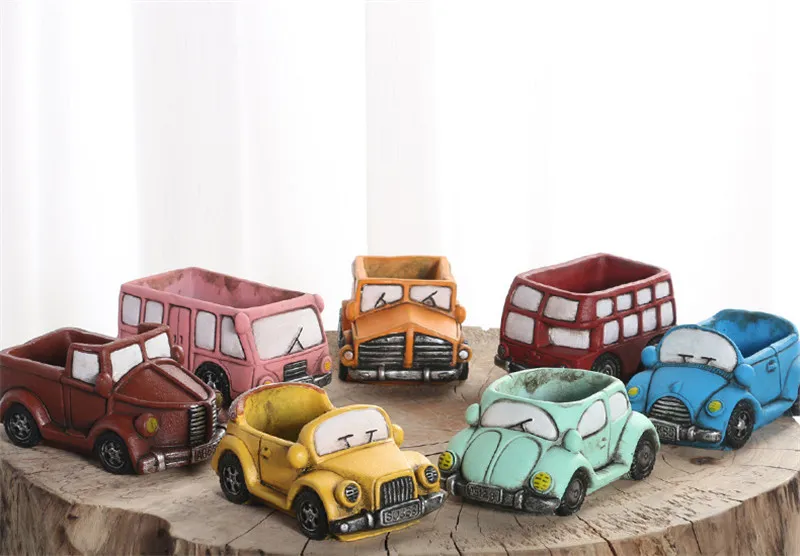 Buy NowSee More: Wholesale Products
Consider the Material
1. Plastic
Plastic pots are the most common plant pots available on the market today, and they come in a range of sizes, colors, and shapes. They are lightweight, inexpensive, and easy to clean. The primary advantage of plastic pots is their durability and resistance to breakage. They are also known to retain moisture well and keep roots cool. However, they do have some disadvantages. Plastic pots tend to heat up quickly, which can lead to root damage or dehydration. They also tend to look less attractive than other materials, which may be an issue for some consumers.
2. Ceramic
Ceramic pots are an excellent option for those looking for a more aesthetically pleasing option. They come in various shapes, sizes, and colors, making them highly customizable. Additionally, ceramic pots are good at keeping the soil moist and preventing water from evaporating too quickly. However, ceramic pots are heavy, which makes them challenging to move around. They are also prone to cracking or breaking if dropped or mishandled.
3. Clay
Clay pots are a classic option that has been used for centuries. They are porous, allowing air and water to reach the roots, making them an excellent option for plants that require good drainage. They also tend to keep the soil moist, which is helpful for those who forget to water their plants regularly. Clay pots are biodegradable and environmentally friendly. However, clay pots are susceptible to cracking in extreme temperatures, and they can be difficult to clean.
4. Metal
Metal pots are an excellent option for those looking for something modern and sleek. They come in a variety of finishes, such as stainless steel, copper, and brass, making them highly customizable. Metal pots are durable, resistant to weather elements, and easy to clean. They're also great at retaining moisture and keeping roots cool. However, like plastic pots, metal pots can heat up quickly, leading to root damage or dehydration. They can also be expensive compared to other materials.
Evaluate the Size
Measuring the Size of a Plant Pot
To determine the size of a plant pot, you need to measure its diameter and height. The diameter refers to the distance across the top of the pot, while the height measures from the base to the rim of the pot. You can use a tape measure or ruler to record these measurements.
It's essential to keep in mind that the size of the pot should be proportional to the size of the plant. A small pot will restrict the root growth of a large plant, while a large pot will retain too much moisture, leading to root rot. Therefore, it's best to select a pot that allows room for the roots to grow but isn't too big.
Tips on Selecting the Appropriate Size for Your Plant
When selecting the appropriate size for your plant, several factors need to be considered. These include the type of plant, its growth rate, and the environment it will be placed in. Here are some tips to help you choose the right size pot for your plants:
1. Consider the Type of Plant: Different plants have different needs when it comes to pot size. For instance, shallow-rooted plants like herbs can thrive in smaller pots, while deep-rooted plants like tomatoes require larger pots.
2. Check the Growth Rate of the Plant: Some plants grow faster than others, so it's essential to consider their growth rate when selecting a pot size. If the plant grows quickly, it will need a larger pot to accommodate its rapid growth.
3. Evaluate the Environment: The environment where the plant will be placed also plays a significant role in determining the pot size. If the area receives a lot of sunlight, a larger pot will help retain moisture. On the other hand, if the space is dark and humid, a smaller pot will suffice.
4. Allow Room for Root Growth: It's crucial to select a pot that allows enough room for the plant's roots to grow. A general rule of thumb is to select a pot that is 2-4 inches wider than the plant's current container.
5. Consider the Weight of the Pot: Large pots can be heavy, so it's essential to consider the weight when selecting a pot size. If you plan to move the plant around, choose a lighter material like plastic or fiberglass.
Determine the Style
There are several styles of large plant pots to choose from, including modern, rustic, bohemian, traditional, and minimalist. Each style has its own unique features and adds a different vibe to your home.
Modern Plant Pots
Modern plant pots are sleek and minimalistic, made with materials like metal, concrete, and glass. These planters are perfect for contemporary homes or apartments with clean lines and minimal decorations. They usually come in monochromatic colors such as white or black, and they often have geometric shapes. Modern plant pots look best with plants that have simple, elegant leaves, such as succulents.
Rustic Plant Pots
This type of planter is perfect for those who want a cozy, cabin-like feel in their homes. Rustic plant pots are usually made from natural materials such as wood, terra cotta, and stone. They have a rough texture and come in earthy tones. They're also perfect for plants that have a wild, unkempt look, such as ferns or spider plants.
Bohemian Plant Pots
Bohemian plant pots are eclectic and colorful. They feature bold patterns, bright colors, and unique textures. This style is perfect for free-spirited individuals who love a mix of vintage and modern. Bohemian plant pots are perfect for plants that are vibrant and full of life, such as orchids or tropical plants.
Traditional Plant Pots
Traditional plant pots are timeless and classic. They're usually made from materials such as ceramic or porcelain, and they come in delicate designs and colors. Traditional plant pots are perfect for formal settings, such as living rooms or dining rooms. They look great with classic plants such as ficus or English ivy.
Minimalist Plant Pots
Minimalist plant pots are simple and straightforward. They're usually made from one material, such as concrete or clay, and have a neutral color scheme. Minimalist plant pots are perfect for those who prefer a clean and uncluttered aesthetic. They complement plants that have a sculptural and architectural look, such as snake plants or rubber trees.
Additional Features to Consider
One of the most important features to look for in a large plant pot is drainage. Without proper drainage, excess water can accumulate at the bottom of the pot and lead to root rot or other issues. To ensure good drainage, look for pots with drainage holes or ones that come with a saucer to catch excess water. Additionally, consider adding a layer of gravel or rocks at the bottom of the pot to aid in drainage.
Proper ventilation is another key feature to consider when buying a large plant pot. Plants need access to fresh air to thrive, and stagnant air can lead to problems such as mold or mildew. Look for pots with ventilation holes or ones with a mesh bottom to allow for air flow. Additionally, consider placing the pot in a well-ventilated area with good air circulation.
Material is also an important consideration when choosing a large plant pot. Different materials have different benefits and drawbacks, so it's important to choose one that suits your specific needs. For example, terracotta pots are excellent for drainage and breathability, but may dry out quickly and require more frequent watering. Plastic pots are lightweight and inexpensive, but may not be as durable or aesthetically pleasing.
Some other additional features to consider when buying a large plant pot include:
- Insulation: If you live in a colder climate, insulated pots can help protect your plants from frost damage.
- Self-watering: Some pots come with a self-watering system that can help keep your plants hydrated without overwatering.
- UV protection: If your pot will be exposed to direct sunlight, consider choosing one with UV protection to prevent fading or cracking.
In summary, when shopping for a large plant pot, it's important to consider features beyond just size and appearance. Good drainage and ventilation are essential for healthy plant growth, and choosing the right material can help ensure your plant thrives. Additional features such as insulation, self-watering, and UV protection can also be beneficial depending on your specific needs. By considering these factors, you can find a large plant pot that meets all of your needs and helps your plants thrive.
FAQ
Q1. What size large plant pot should I choose for my greenery?
When choosing a large plant pot, it's important to consider the size of your greenery and its root system. A good rule of thumb is to choose a pot that is at least 2-3 inches wider in diameter than the current pot your greenery is in. This gives the roots room to grow and allows for proper drainage.
Q2. What type of material should I choose for my large plant pot?
There are a variety of materials to choose from when it comes to large plant pots including ceramic, terracotta, plastic, and fiberglass. Ceramic and terracotta pots are great for providing insulation and keeping soil moist, but can be heavy and prone to cracking. Plastic and fiberglass pots are lightweight and durable, but may not provide adequate insulation for cold climates. It's important to consider the climate and needs of your greenery when choosing a material.
Q3. How do I ensure proper drainage in my large plant pot?
Proper drainage is crucial for the health of your greenery. Look for a pot with drainage holes in the bottom or drill them yourself if necessary. To prevent soil from escaping through the holes, add a layer of rocks or gravel to the bottom of the pot before adding soil. This will allow excess water to drain out and prevent root rot.
Q4. Can I use a decorative pot without drainage holes for my greenery?
While decorative pots without drainage holes may be aesthetically pleasing, they can be harmful to the health of your greenery. Without proper drainage, excess water can collect in the bottom of the pot and cause root rot. If you want to use a decorative pot without drainage holes, consider placing a plastic liner with drainage holes inside the pot or using it as a decorative cover for a functional pot with drainage holes.
