
"What are the Best Planters for Indoor Plants?" - A Guide to Stylish and Practical Options.
Upload time :December 28, 2023
Shares
Reads
Indoor plants have become increasingly popular in home decor, but choosing the right planter can be overwhelming. To help you make the best decision for your space, we've put together a guide to stylish and practical options. First, consider the type of planter that will work best with your plant's needs, such as hanging or self-watering. Next, think about design options that will complement your decor, such as geometric shapes or natural materials. Material options vary from ceramic to metal to woven baskets. It's important to also consider drainage, as plants need proper water flow. Finally, maintaining your plant's health involves proper watering, pruning, and cleaning. With this guide, you'll be able to find the perfect planter to showcase your indoor plants and enhance your home's aesthetic.
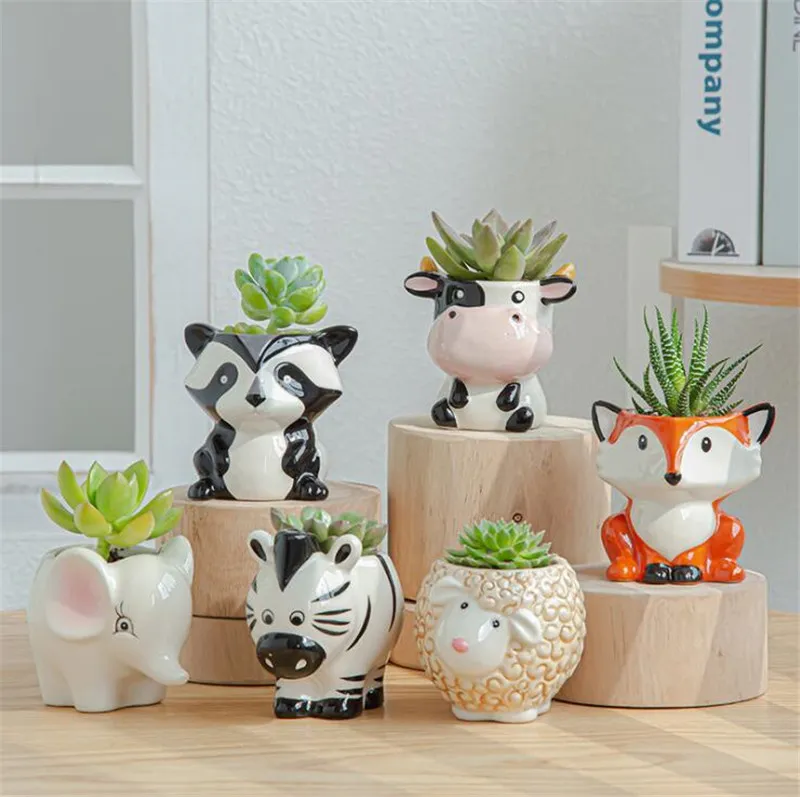
Buy Now
See More: Wholesale Products
1. Types of planters
When it comes to choosing the best planters for your indoor plants, there are a few key factors to consider. You'll want to think about the size and shape of the planter, as well as the materials it's made from and how it will fit with your overall decor style. Here's a guide to some of the most stylish and practical options available today.
Types of planters:
Ceramic planters are a classic choice for indoor plants, thanks to their timeless elegance and durability. They come in a wide range of colors and styles, from sleek and modern to traditional and rustic. Some ceramic planters also feature intricate patterns or designs, adding an extra element of visual interest.
One thing to keep in mind when choosing a ceramic planter is that they tend to be heavy, especially if you're looking for larger sizes. This means you'll need to make sure you have a sturdy surface to place them on, and be careful when moving them around.
2. Glass Planters
Glass planters offer a unique way to display your indoor plants, as they allow you to see the roots and soil as well as the plant itself. They come in a variety of shapes and sizes, from small hanging terrariums to large floor-standing vessels.
One benefit of glass planters is that they don't take up much visual space, making them a great option for smaller rooms or areas where you want to maintain an open, airy feel. Glass planters also allow you to experiment with different types of soil and rocks to create interesting layering and texture effects.
3. Metal Planters
Metal planters can add a touch of industrial chic to any room, with their sleek lines and shiny surfaces. They're also incredibly durable and resistant to weathering, which makes them a good choice for outdoor use as well as indoor.
When choosing a metal planter, consider the type of metal it's made from and the finish. Copper, brass, and stainless steel are all popular choices, and each has its own unique look and feel. You may also want to think about whether you prefer a smooth, polished finish or a more textured, hammered look.
4. Wicker Planters
Wicker planters are a great way to bring a natural, bohemian vibe to your indoor space. They're typically made from woven strands of natural fibers like bamboo or rattan, and come in a variety of shapes and sizes.
One thing to keep in mind with wicker planters is that they can be prone to collecting dust and dirt, especially if you're using them to grow soil-based plants. You'll need to clean them regularly to keep them looking fresh and vibrant.
5. Concrete Planters
Concrete planters offer a sleek, modern aesthetic that's perfect for minimalist or contemporary spaces. They're incredibly durable and long-lasting, and can withstand harsh weather conditions if you choose to use them outdoors.
One thing to keep in mind with concrete planters is that they can be quite heavy, especially if you're looking for larger sizes. This means you'll need to make sure you have a stable surface to place them on, and be careful when moving them around.
No matter what type of planter you choose, make sure to select one that's appropriately sized for your plant. A too-large planter can cause water retention issues, while a too-small planter can stunt growth or even harm the plant's root system.
2. Design options
If you're looking for the best planters for your indoor plants, there are a few key design options to consider. From classic ceramic pots to modern hanging planters, here's a guide to some of the most popular options on the market.
1. Ceramic Pots
Ceramic pots are a classic choice for indoor plants, offering a timeless look that never goes out of style. These pots come in a wide range of colors, shapes, and sizes, giving you plenty of options to choose from.
One of the benefits of ceramic pots is that they are breathable, allowing air to circulate around the roots of your plants. This can help prevent overwatering and ensure that your plants stay healthy.
When choosing a ceramic pot, make sure to select one with proper drainage holes at the bottom. Without proper drainage, excess water can build up and lead to root rot.
Hanging planters are a great way to add some greenery to your space without taking up valuable floor or counter space. These planters come in a variety of styles, from macrame designs to sleek metal options.See More: How to make a macrame plant hanger with cotton rope
To use a hanging planter, simply attach it to a ceiling hook or wall bracket. Then, fill the planter with potting soil and your chosen plant. Make sure to select a plant that won't grow too large or heavy for the planter.
Keep in mind that hanging planters typically have less soil than traditional pots, so you may need to water your plants more frequently.
3. Self-Watering Pots
Self-watering pots are a convenient option for busy plant owners who don't have time to constantly monitor their plants' moisture levels. These pots come with a reservoir at the bottom that slowly releases water to the plant as needed.
To use a self-watering pot, simply fill the reservoir with water and add your chosen plant to the top section. The pot will take care of the rest, ensuring that your plant stays hydrated even if you forget to water it for a few days.
4. Terrariums
Terrariums are a unique way to display small plants and succulents. These enclosed glass containers create a mini ecosystem for your plants, with a closed lid that helps trap in moisture and create a humid environment.See More: How to care for succulents: Beginner's guide for a thriving indoor garden.
To create a terrarium, start by adding a layer of gravel or sand to the bottom of the container. Then, add a layer of activated charcoal to help purify the air. Finally, add a layer of potting soil and your chosen plants.
Terrariums require very little maintenance, but make sure to keep them out of direct sunlight to prevent overheating.
5. Grow Bags
Grow bags are a cost-effective option for indoor plants, offering an affordable alternative to traditional pots. These bags are made of lightweight fabric that allows air to circulate around the roots of your plants.
To use a grow bag, simply fill it with potting soil and your chosen plant. The fabric material allows excess water to drain away easily, preventing root rot and other issues.
One of the benefits of grow bags is that they are easily portable, making them a great option for renters or anyone who likes to rearrange their space frequently.
3. Material options
1. Ceramic Planters
Ceramic planters are a popular choice for indoor plants because they come in a wide range of styles, colors, and sizes. They are durable and long-lasting, making them an excellent investment for any indoor garden. They are also easy to clean and maintain. Ceramic planters are perfect for succulents, cacti, or any other indoor plant that requires a well-draining pot.
One downside of ceramic planters is they are prone to cracking or breaking if not handled properly. Always be careful when moving your ceramic planter, especially if it contains a heavy plant.
2. Terracotta Planters
Terracotta planters are also a great option for indoor plants. They have a rustic look and are usually available in natural earth tones. Terracotta planters are porous, which allows for proper drainage and air circulation around your plant's roots. They are also an affordable option, making them a great choice for those on a budget.
The downside of terracotta planters is that they can easily dry out your soil. Since they are porous, they absorb water and nutrients from the soil, which can lead to your plant drying out quickly. This can be prevented by regularly checking your soil moisture levels and watering your plant accordingly.
3. Glass Planters
Glass planters are a stylish and modern option for indoor plants. They offer a unique way to display your plants and are perfect for those who want to add a touch of elegance to their home. Glass planters come in various shapes and sizes and can be used for both small and large indoor plants.
One downside of glass planters is they do not provide good drainage. This means you may need to be extra careful when watering your plants. Additionally, glass planters can be fragile and prone to breaking if not handled with care.
Plastic planters are an affordable option for indoor plants. They are lightweight, durable, and come in various colors and sizes. Plastic planters are also easy to clean and maintain, making them perfect for those who want a low-maintenance indoor garden.
One downside of plastic planters is they are not as aesthetically pleasing as other planter materials. They also do not offer proper air circulation around your plant's roots. However, this can be resolved by drilling additional holes at the bottom of the planter.
5. Metal Planters
Metal planters are a great option for those who want a modern and industrial look in their home. They come in various finishes such as copper, brass, and silver, and are perfect for displaying ornamental plants. Metal planters are also durable and long-lasting, making them a great investment.
The downside of metal planters is they can get hot in direct sunlight, which can harm your plant's roots. It is recommended to place your metal planter in a shaded area or use a saucer to protect your plant from overheating.
4. Drainage considerations
One important factor to consider is drainage. Proper drainage is essential for the health of your plants, as it allows excess water to drain away from the roots and prevents them from becoming waterlogged. Without proper drainage, your plants are at risk of root rot, which can quickly lead to their demise.
So what are the best planters for indoor plants when it comes to drainage considerations? Here are a few options to consider:
1. Self-watering planters
Self-watering planters are a great option for those who tend to overwater their plants. These planters have a built-in reservoir that holds excess water, which is then slowly released back into the soil as needed. This means that your plants will always have the right amount of moisture, without the risk of overwatering.
Self-watering planters come in a variety of styles and materials, from sleek and modern designs to more traditional terracotta options. They can be great for larger plants or those that require more consistent watering.
2. Planters with drainage holes
If you prefer a more traditional planter, look for options with drainage holes. These holes allow excess water to drain out of the bottom of the pot, preventing the soil from becoming waterlogged. Look for pots with several drainage holes to ensure proper drainage, especially for larger plants.
Keep in mind that while drainage holes are important, you’ll need to place a saucer underneath to catch any excess water. This can be a great way to add an extra pop of color or texture to your decor.
3. Hanging planters
Hanging planters are a great option for those who want to add some greenery to their space without taking up valuable floor space. Many hanging planters come with built-in drainage systems, which allow excess water to drain out of the bottom of the pot.
These planters can be hung from the ceiling or wall-mounted, depending on your preference. They can be a great way to add some visual interest to an otherwise plain wall or corner.See More: Transform Your Living Space with the Latest Lights for Ceiling Fans
4. Terrariums
Terrariums are a unique way to display your plants indoors. These small, enclosed environments can be filled with a variety of different plants, from mosses and ferns to succulents and cacti.
While terrariums don’t typically have drainage holes, they’re designed to be low-maintenance, with a closed system that recycles moisture. This means that you won’t need to worry about watering your plants as frequently, as the enclosed environment helps retain moisture.
5. Maintenance tips
1. Ceramic Planters
Ceramic planters are one of the most popular options for indoor plants. They come in a variety of shapes, sizes, and colors that can match any interior style. Moreover, ceramic is a great material for retaining moisture, which is essential for the health of your plant. However, make sure to check if there are drainage holes at the bottom of the pot. Without proper drainage, excess water can accumulate and cause root rot.
2. Terrariums
Terrariums are another beautiful option for indoor plants. They are essentially tiny ecosystems that can house different types of plants in a small glass container. Terrariums are self-contained and require minimal maintenance, making them a preferred choice for busy homeowners. However, since they don't have drainage holes, overwatering can be detrimental for the plants inside.
3. Hanging Planters
Hanging planters are a great solution for small spaces or areas with limited floor space. They can add visual interest to your interior and create an illusion of height. Additionally, hanging planters can help prevent pets or children from knocking over your plants. To care for your hanging plant, make sure to water it thoroughly and allow the soil to dry out a bit before watering again.
4. Self-Watering Planters
Self-watering planters are perfect for people who travel frequently or those who tend to forget to water their plants regularly. These planters consist of two parts - a reservoir at the bottom that holds water and a pot on top with a wick that draws water up from the reservoir. The wick provides the plant with the necessary amount of water, and you only need to refill the reservoir when it's empty.
5. Wall-Mounted Planters
Wall-mounted planters are becoming increasingly popular among homeowners as they can transform any dull wall into a stunning green oasis. They come in various materials, including wood, metal, and plastic, and can hold multiple plants at once. Wall-mounted planters require regular pruning and watering, and you must ensure that they receive sufficient light.
Maintenance Tips
Now that you know about some of the best planters for indoor plants let's discuss some essential maintenance tips.
1. Watering
Overwatering is one of the most common mistakes people make while caring for their indoor plants. Before watering your plant, check the soil's moisture level by sticking your finger an inch deep into the soil. If it feels dry, it's time to water; otherwise, wait for a few more days. It's crucial to ensure that your plant's roots receive adequate water without drowning them.
2. Lighting
Most indoor plants require bright, indirect sunlight to thrive. Depending on the plant species, they may need different amounts of light. For example, succulents prefer direct sunlight, while ferns thrive in low-light conditions. If you notice your plant's leaves turning yellow or brown, it could be due to inadequate or too much light.
3. Pruning
Pruning is an essential part of indoor plant care as it promotes growth and prevents disease. You should remove dead or yellowing leaves regularly to keep your plant looking healthy and lush. Additionally, you can trim back any leggy stems or branches to promote bushier growth.
In conclusion, choosing the right planter for your indoor plant and providing the necessary care can go a long way in keeping your plants healthy and thriving. Whether you opt for a ceramic pot, terrarium, hanging planter, self-watering planter, or wall-mounted planter, ensure that it meets your plant's specific needs. With the right planter and maintenance tips, you can create a beautiful and relaxing green space in your home.
Recommended related content
"What are the Best Business Bags for Women?" - A Guide to Stylish and Practical Options
"What are the Best Leather Wallets for Women?" - A Guide to Stylish and Practical Options.
"What are the Best Women's Vests for Layering?" - A Guide to Stylish and Practical Options
