
Chandelier Lightings: How to Create a Glamorous Ambiance in Any Room
Upload time :December 5, 2023
Shares
Reads
Choosing the right chandelier can elevate your room's style and ambiance, but it requires careful consideration. When selecting a chandelier, consider the size and style of the fixture, the height of your ceiling, and the room's function. Placement is crucial for optimal lighting and ambiance, with centered, off-centered, and clustered installations being popular options. Selecting the right bulbs is also important, as different types of bulbs can greatly impact light quality. Lastly, styling your chandelier is key to complementing your room's decor. Pair it with other lighting fixtures, furniture pieces, and decor elements to create a cohesive and glamorous look. With these tips in mind, you can choose the perfect chandelier for your space.
Choosing the Right Chandelier
The Size and Style of the Chandelier
When selecting a chandelier, the size and style are crucial factors to consider. Firstly, you need to ensure that the size of the chandelier is proportional to the size of the room. A small chandelier in a large room may look out of place, while a large chandelier in a small room can be overwhelming. As a general rule of thumb, the diameter of the chandelier should be about half the width of the room.
Secondly, you need to consider the style of the chandelier. You want to select a style that complements your existing décor. For example, if your room is decorated in a modern style, a traditional crystal chandelier might not be the best fit. Instead, you might opt for a more contemporary chandelier with clean lines and sleek finishes.
The Height of the Ceiling
Another important factor to consider when choosing a chandelier is the height of the ceiling. If you have high ceilings, you can choose a larger chandelier with more tiers and dangling crystals or other ornaments. However, if your ceiling is low, a smaller, more compact chandelier might be a better fit.
It is also essential to consider the distance between the chandelier and the ceiling. The bottom of the chandelier should be at least seven feet above the floor, with the ideal distance being around eight and a half feet. This ensures that the chandelier does not interfere with people's movement in the room while still providing adequate lighting.
The Function of the Room
Finally, it is vital to consider the function of the room when choosing a chandelier. If the chandelier is going to be in a dining room, for example, you want to ensure that it provides adequate lighting for dinner parties. On the other hand, if the chandelier is in a bedroom, you might want to opt for a dimmer switch to create a more relaxing atmosphere.
Placement
The first thing to consider when placing your chandelier is the size and layout of the room. Chandeliers come in various sizes, so it is important to choose one that fits the scale of the room. A general rule of thumb is to select a chandelier that is at least two feet smaller than the width of the room. For example, if your room is 12 feet wide, you should choose a chandelier that is no wider than 10 feet.
Once you have selected the appropriate size for your chandelier, you need to think about the placement. There are three common types of installations: centered, off-centered, and clustered.
Centered Installation
A centered installation is the most traditional placement for a chandelier. This involves installing the chandelier directly in the center of the room. This type of installation works well in spaces with symmetrical layouts, such as dining rooms or foyers. It creates a focal point that draws the eye upward, making the ceiling appear higher.
Off-Centered Installation
An off-centered installation involves hanging the chandelier slightly off-center from the room. This can create a more dynamic look and make the space feel less formal. Off-centered installation works well in asymmetrical spaces, such as living rooms or bedrooms. When choosing an off-centered installation, consider hanging the chandelier over a piece of furniture or in a corner of the room.
Clustered Installation
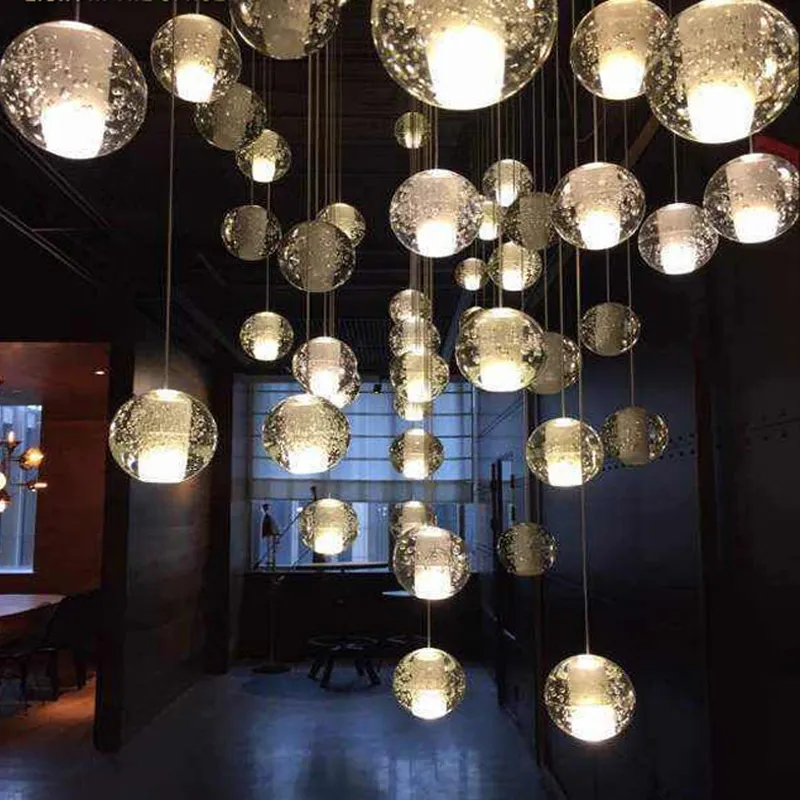
A clustered installation involves hanging multiple chandeliers together in a group. This can create a dramatic effect and work well in large open spaces, such as a foyer or stairwell. When choosing a clustered installation, it is important to ensure that the chandeliers complement each other in terms of style and scale.
In addition to the type of installation, it is also important to consider the height at which you hang your chandelier. As a general rule, the bottom of the chandelier should be at least 4 feet from the floor in a room with an 8-foot ceiling. For every additional foot of ceiling height, add 3 inches to the hanging height. This will ensure that the chandelier is not too low and does not interfere with movement within the space.
Bulb Selection
The first step in selecting the right bulb for your chandelier is to determine the purpose of the room. For example, if you want to create a cozy and intimate atmosphere, you may opt for warm and soft tones. Alternatively, if you need bright lighting for tasks such as reading or cooking, you may prefer brighter and cooler tones. Once you have determined the purpose, you can consider the various bulb options available.
One of the most popular bulb options for chandeliers is LED bulbs. LED bulbs are energy-efficient and provide long-lasting performance. They are also available in a range of color temperatures, making them versatile for different rooms and purposes. Additionally, LED bulbs emit less heat than traditional bulbs, making them safer for use in chandeliers.
Another popular option for chandeliers is incandescent bulbs. Incandescent bulbs are known for their warm and soft glow, which creates a cozy and inviting ambiance. However, they are not as energy-efficient as LED bulbs and have a shorter lifespan. They also emit more heat, making them less suitable for use in small spaces.
Halogen bulbs are another option for chandeliers. They offer a bright and crisp light and are often used in task lighting applications. Halogen bulbs are relatively energy-efficient and have a longer lifespan than incandescent bulbs. However, they emit more heat, making them unsuitable for small spaces and can be dangerous if not handled correctly.
Finally, dimmable bulbs are an excellent option for chandeliers as they allow you to adjust the lighting according to your preference. Dimmable bulbs are available in all types, including LED, incandescent, and halogen. They are perfect for creating a relaxed and comfortable environment, particularly in dining areas and bedrooms.
Styling
Size Matters
Before selecting a chandelier, it is crucial to determine the appropriate size for your space. A good rule of thumb is to measure the length and width of the room in feet and add those two numbers together. The sum should be equal to the diameter of the chandelier in inches. For example, if your room is 12 feet by 10 feet, the chandelier's diameter should be around 22 inches. If you have high ceilings, make sure to factor in the height between the floor and ceiling when choosing the length of the chandelier. An oversized chandelier can overwhelm a small room, while a tiny one can look out of place in a large space.
Materials and Style
Once you have determined the appropriate size, consider which materials and styles would best suit your decor. Chandeliers come in various materials, from crystal and glass to metal and wood. Crystal chandeliers offer a classic and timeless look and are often associated with luxury and opulence. Metal chandeliers, on the other hand, can range from traditional to modern and offer a more understated elegance.
When selecting a style, consider the overall decor of your room. A traditional or vintage-inspired chandelier may work well in a room with antique furniture or ornate architectural details. A sleek and modern chandelier might be ideal for a minimalist or contemporary space. Additionally, you can mix and match styles to create a unique and eclectic look.
Pairing with Other Lighting Fixtures
A chandelier doesn't have to be the only source of light in the room. Pairing it with other lighting fixtures can enhance the overall ambiance and functionality of the space. Floor lamps, table lamps, or sconces can provide additional lighting while also adding depth and dimension to the room. Make sure to choose lighting fixtures that complement the style and finish of your chandelier without overpowering it.
Furniture and Decor Elements
Finally, consider how to style your chandelier with other furniture and decor elements in the room. Chandeliers work best as a focal point in the room, drawing attention to themselves and enhancing the overall aesthetic. Consider pairing it with a statement piece of furniture, such as a grand piano or an oversized mirror, to create balance and visual interest. Additionally, incorporating complementary colors and textures through textiles, artwork, and decor can help tie the room together and create a cohesive and glamorous look.
In conclusion, selecting the perfect chandelier involves considering the appropriate size, materials, and style to suit your overall decor. Pairing it with other lighting fixtures, furniture pieces, and decor elements can enhance its functionality and aesthetic appeal. With careful consideration and styling, a chandelier can bring elegance and glamour to any room in your home.
Buy Now
See More: Wholesale Products
FAQ
Q1. What are chandelier lightings and how can they create a glamorous ambiance in any room?
Chandelier lightings are decorative lighting fixtures that are suspended from the ceiling and typically feature multiple arms or branches that hold bulbs or candles. They come in various styles, shapes, sizes, and materials, including crystal, glass, metal, wood, fabric, and more. By choosing the right chandelier for your space, you can add elegance, drama, and sophistication to any room, whether it's a living room, dining room, bedroom, foyer, or even a bathroom. Chandeliers can enhance the overall decor of your room, as well as provide ambient or task lighting depending on your needs.
Q2. How do I choose the right chandelier for my room?
When selecting a chandelier for your room, consider the size, style, color, and placement of the fixture. The size of the chandelier should be proportional to the room's dimensions, with larger rooms needing bigger chandeliers and smaller rooms requiring smaller ones. The style of the chandelier should complement the existing decor and theme of the room, whether it's modern, traditional, rustic, or eclectic. The color of the chandelier should match or contrast the wall and ceiling colors, as well as the furniture and accessories in the room. The placement of the chandelier should be centered above the focal point of the room, such as a dining table or seating area.
Q3. How do I install a chandelier properly?
Installing a chandelier can be tricky, especially if you're not familiar with electrical wiring and ceiling structures. It's best to hire a licensed electrician or a professional installer to handle the installation. However, if you decide to do it yourself, make sure to follow the manufacturer's instructions carefully and use the proper tools and safety equipment. Turn off the power supply to the room before starting the installation, and test the wires with a voltage tester to ensure there's no electricity flowing. Use a sturdy ladder to reach the ceiling, and secure the chandelier to the mounting bracket with screws and nuts. Connect the wires to the electrical box using wire nuts or connectors, and cover them with a canopy or plate. Finally, add the light bulbs and shades, and turn on the power to test the chandelier.
Q4. How do I maintain and clean my chandelier?
Maintaining and cleaning your chandelier is essential to keep it looking shiny and new. Depending on the material and finish of your chandelier, you may need to use specific cleaning solutions and methods. For example, crystal chandeliers require delicate handling and gentle cleaning to avoid damaging the crystals. Metal chandeliers can be wiped down with a soft cloth and mild soap and water, while fabric shades can be vacuumed or spot-cleaned. To prevent dust and dirt buildup, dust your chandelier regularly with a soft brush or feather duster. Avoid using abrasive cleaners, harsh chemicals, or water on your chandelier, as they can cause corrosion or discoloration.
Recommended related content
Is Chanel Hair Spray Worth Buying Hair Spray Which Brand Is Good
What are the Best Ways to Style Silver Sandals for Summer?
What are the top PDR tools for beginners?
How to Clean and Maintain Your Floating Toys for Maximum Fun
