
Creating Ambience: How to Use Lighting to Enhance Your Dining Room Atmosphere
Upload time :October 4, 2023
Shares
Reads
Choosing the right lighting for your dining room can enhance the overall ambiance and elevate your dining experience. Different types of lighting can affect the mood of the room, so it's important to choose fixtures that match the size and style of the space. Placement of lighting fixtures is also crucial in creating the desired effect, and arrangements of multiple light sources can help achieve this. Color temperature can impact the dining experience, and dimming options offer flexibility in lighting. Finally, adding additional elements such as candles or wall sconces can add the finishing touches to your dining room's ambiance. Consider your personal preferences and style when choosing these final touches. With these tips, you can create a dining room that perfectly reflects your tastes and enhances every meal.
Choosing the right type of lighting
There are several types of lighting available on the market, each with its unique features and effects on ambiance. The three most common types of lighting are ambient, task, and accent lighting.
Ambient lighting is the primary source of light in a room. It provides overall illumination and sets the tone for the space. This type of lighting is typically achieved through ceiling lights, chandeliers, or wall sconces.
Task lighting, on the other hand, is used to provide focused light for specific tasks such as reading, cooking, or working on a computer. Table lamps, floor lamps, and under-cabinet lighting are examples of task lighting.See More: 5 Ways to Increase Productivity with Multiple Computer Monitors
Accent lighting is used to highlight certain features or objects in a room, such as artwork, sculptures, or architectural details. This type of lighting is often achieved through spotlights, track lighting, or wall-mounted fixtures.
When choosing the appropriate lighting fixtures for your home, it's essential to consider the size and style of each room. For instance, a large living room may require multiple sources of ambient lighting to ensure even illumination throughout the space. A small bedroom, on the other hand, may benefit from a single pendant light or a cluster of wall sconces.
The style of your home should also be taken into account when choosing lighting fixtures. For instance, if you have a modern or contemporary home, you may want to opt for sleek and minimalist lighting fixtures that complement the clean lines and understated aesthetic of your space. On the other hand, if you have a traditional home, you may prefer ornate chandeliers or vintage-inspired table lamps.
In addition to considering the size and style of your home, it's also essential to think about the function of each room when choosing lighting fixtures. For instance, a home office may require bright and focused task lighting to promote productivity and reduce eye strain, while a dining room may benefit from soft and warm ambient lighting to create a relaxed and intimate atmosphere.
Placement of lighting fixtures
When it comes to lighting a dining room, there are several factors to keep in mind, such as the size and layout of the space, the type of light source, and the desired effect. For example, if you have a small dining room, you may want to consider using a combination of overhead and wall-mounted lights to create the illusion of more space. On the other hand, if you have a larger space, you may want to use multiple light sources to highlight specific areas of the room.
One important thing to keep in mind when placing lighting fixtures is to avoid glare. Glare occurs when the light source is too bright or positioned in a way that creates a glare on reflective surfaces, such as mirrors or glass. This can be uncomfortable for diners and can affect the overall ambiance of the room. To avoid glare, it is recommended to choose lighting fixtures with diffusers or frosted glass shades, and to position them at an angle that minimizes reflections.See More: he History and Evolution of Glass Shades in Lighting Desig
Another critical factor to consider is color temperature. The color temperature of the light source affects the overall mood and ambiance of the room. Warm colors, such as yellow or orange, create a cozy and intimate atmosphere, while cooler colors, such as blue or white, can create a more formal and modern feel. Depending on your desired effect, you may want to choose lighting fixtures with different color temperatures or use dimmers to adjust the intensity of the light.
If you have multiple light sources in your dining room, it is essential to arrange them in a way that achieves the desired effect. One popular technique is to use a combination of ambient, task, and accent lighting. Ambient lighting provides general illumination for the room, while task lighting is used to illuminate specific areas, such as the table or buffet. Accent lighting is used to highlight artwork or architectural features and can add depth and visual interest to the room.See More: Mastering the Art of Negotiation: Tips and Techniques
When arranging multiple light sources, it is recommended to use a variety of heights and angles to create depth and visual interest. For example, you can use pendant lights over the table, sconces on the walls, and a chandelier in the center of the room to create a layered and cohesive look.
Color temperature and dimming options
Color temperature refers to the color of the light emitted by a bulb, with warmer tones appearing more yellow or orange and cooler tones appearing more blue or white. In dining rooms, warmer tones are typically preferred as they create a cozy and inviting atmosphere. This is why many restaurants opt for warm, dim lighting to enhance their customer's dining experience.
Warm lighting can make food look more appetizing and can create a sense of intimacy and warmth. It can also help to set the tone for a relaxed and comfortable meal. On the other hand, cooler lighting can make food appear less appealing and can create a more sterile environment that feels less welcoming.
Dimming options are another important consideration when it comes to dining room lighting. Having the ability to adjust the brightness of your lights can create flexibility in your space, allowing you to easily transition from a bright, well-lit area for meal preparation to a softer, more intimate setting for dining.
Dimming options can also be used to highlight specific areas of your dining room, such as artwork or decorative pieces. By adjusting the brightness of your lights, you can draw attention to these features and create a more visually interesting space.
In addition to enhancing the ambiance of your dining room, dimming options can also help to save energy and reduce your electricity bill. By lowering the brightness of your lights, you can reduce the amount of energy consumed by your bulbs, which can add up over time.
Final touches
Once you have chosen your dining room lights, adding a few final touches can further enhance the ambiance and create an inviting atmosphere. One of the simplest ways to achieve this is by incorporating candles into your dining room décor. Candles not only add warmth and coziness to the space but also create a romantic and intimate setting. Whether you opt for traditional candlesticks or modern LED candles, they are sure to elevate the ambiance and add a touch of elegance to your dining room.
Another great addition to your dining room décor is wall sconces. Wall sconces not only provide additional lighting but also serve as decorative elements that can add character and style to the space. Whether you choose a modern or traditional design, wall sconces can help you create a cohesive look that ties in with the rest of your décor.
When it comes to choosing the finishing touches for your dining room, it is important to consider your preferences and individual style. For instance, if you prefer a minimalist and contemporary look, you may want to opt for simple and sleek candle holders or wall sconces that complement the clean lines and minimalistic design of your dining room furniture. On the other hand, if you prefer a more traditional and ornate look, you may want to opt for decorative candle holders or wall sconces that feature intricate details and embellishments.See More: What are the best patio furniture sets for small spaces?
Ultimately, the key to achieving the perfect ambiance in your dining room is to choose lighting that complements your décor and personal style. By incorporating final touches such as candles and wall sconces, you can further enhance the ambiance and create a warm and inviting atmosphere that is perfect for entertaining guests or enjoying a cozy meal with your family. So whether you are looking for a modern and sleek dining room or a traditional and ornate one, the right lighting and finishing touches can help you create the perfect ambiance for your space.
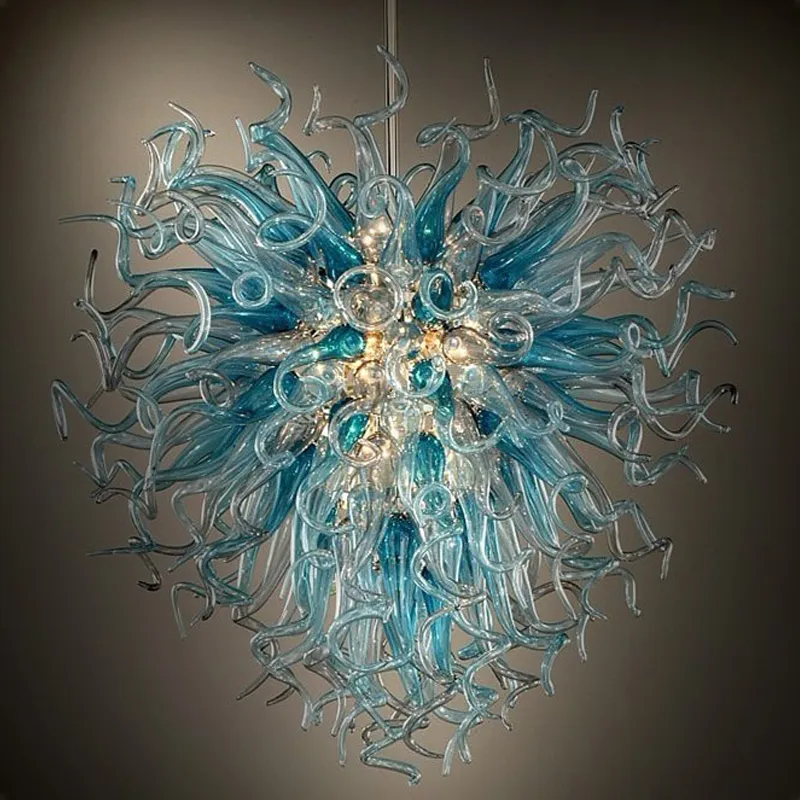
Buy Now
See More: Wholesale Products
FAQ
Q1. How can lighting be used to create a warm and inviting atmosphere in the dining room?
Lighting plays an important role in setting the mood of any space, including the dining room. To create a warm and inviting atmosphere, it's best to use soft, dimmable lights such as chandeliers or pendant lights with warm-colored bulbs. Accent lights can also be strategically placed on walls or artwork to add depth and warmth to the room.
Q2. What are some common mistakes people make when lighting their dining room?
One common mistake is using only one overhead light source, which can create harsh shadows and an unwelcoming atmosphere. Another mistake is not considering the height of the light fixtures. Hanging lamps too low can obstruct views and conversations while hanging them too high can make the space feel impersonal and cold. Lastly, using bright white light bulbs can make the room feel sterile and uninviting.See More: What are the Best Light Fixtures for a Modern Living Room?
Q3. How can I decide on the right type of lighting for my dining room?
The type of lighting you choose will depend on the size and style of your dining room, as well as your personal preferences. Consider using a combination of ambient, task, and accent lighting. Ambient lighting provides overall illumination while task lighting focuses on specific areas, such as the table or buffet. Accent lighting highlights focal points like artwork or architectural features.
Q4. Are there any energy-efficient options for lighting my dining room?
Yes, there are many energy-efficient options for lighting your dining room. LED bulbs are more efficient than traditional incandescent bulbs while still providing warm and inviting light. You can also install dimmer switches to reduce energy usage and extend the life of your bulbs. Additionally, consider using natural light during the day by opening curtains or blinds and positioning mirrors to reflect light into the space.
Recommended related content
Captivating Scenery: How Landscape Oil Paintings Elevate Your Home Decor
The Benefits of Outdoor Lighting: How it Enhances Your Home and Lifestyle
What are the Best LED Pool Lights to Enhance Your Swimming Experience?
How Teapot Infusers Can Enhance Your Tea Drinking Experience
The Art of Setting the Perfect Table: How Chopstick Rests Add Elegance to Your Dining Experience
