
How to Master the Art of Potato Cutting: Tips, Techniques, and Creative Uses
Upload time :November 20, 2023
Shares
Reads
Mastering the art of potato cutting can significantly elevate your culinary game. It's a skill crucial to achieving attractive presentation, optimal texture, and even cooking times. Furthermore, it ensures even flavor distribution for a range of dishes. Mastering this art requires the right selection of potatoes, proper cleaning and peeling, and maintaining uniformity in cutting. With tools like julienne, dicing, and waffle cutters, you can experiment with different types of cuts. Practice, sharp blades, and avoiding common mistakes like overfilling the cutting board are the keys to success. From the universal love for French fries to unique dishes like Mexican Chilaquiles or Indian Aloo Tikki, consistent potato cuts open up a world of culinary possibilities.
The Importance of Uniform Potato Cuts
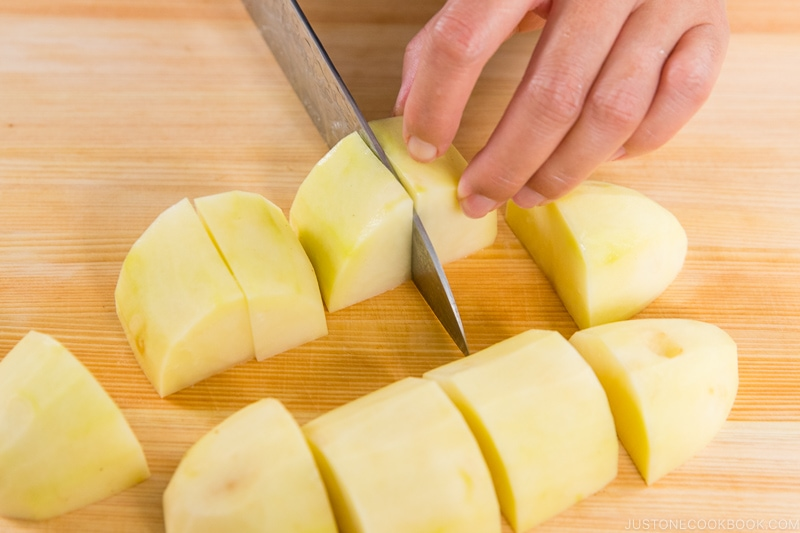
Uniform potato cutting is more than just about visual appeal. The aesthetic value it brings to dishes undoubtedly enhances their appeal, but the advantages go beyond presentation. When cooking fries, roasted, or mashed potatoes, even-sized pieces ensure consistent cooking, delivering perfection in every bite.
The texture of your dish also hinges on consistent potato cutting. Uniformly cut pieces cook simultaneously, resulting in a consistent texture. Conversely, uneven cuts may lead to some pieces being overcooked and others undercooked, compromising the dish's texture.
Uniform potato cuts also contribute to efficient cooking times. Evenly-sized pieces cook simultaneously, thus reducing the overall cooking time. This is particularly useful when cooking for large gatherings or when time is limited. Lastly, uniform cuts ensure even flavor absorption, resulting in a dish that's flavorful in every bite.
(cr: Just One Cookbook)
Pre-cut Potato Prep: Select, Clean, Peel, and Measure
Selecting the right potato variety is the first step in potato preparation. Different potatoes are suited for different cooking methods; russet potatoes are perfect for crispy fries, while Yukon Golds are ideal for creamy mashed potatoes.
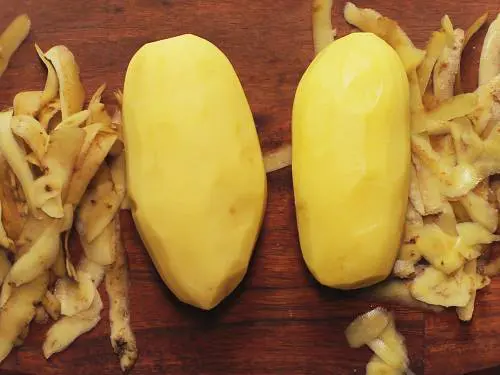
After picking the right potatoes, give them a thorough wash to remove any dirt or debris. A vegetable brush can help scrub off stubborn dirt. Then, peel the potatoes. Several methods can be used for peeling, including a vegetable peeler, a paring knife, or even a spoon. Make sure to remove all the skin before even cooking.
After washing and peeling, ensure that the potatoes are uniform in size before proceeding to the cutting stage. Uniform size ensures even cooking, preventing some pieces from overcooking while others remain undercooked. Measure and cut the potatoes to the desired size. Also, consider the shape of the cuts based on the dish you're preparing. For wedge-shaped fries, thick slices cut into wedges work best. For hash browns, you'll want to shred the potatoes into thin strips.
Tools and Techniques for Perfect Potato Cuts
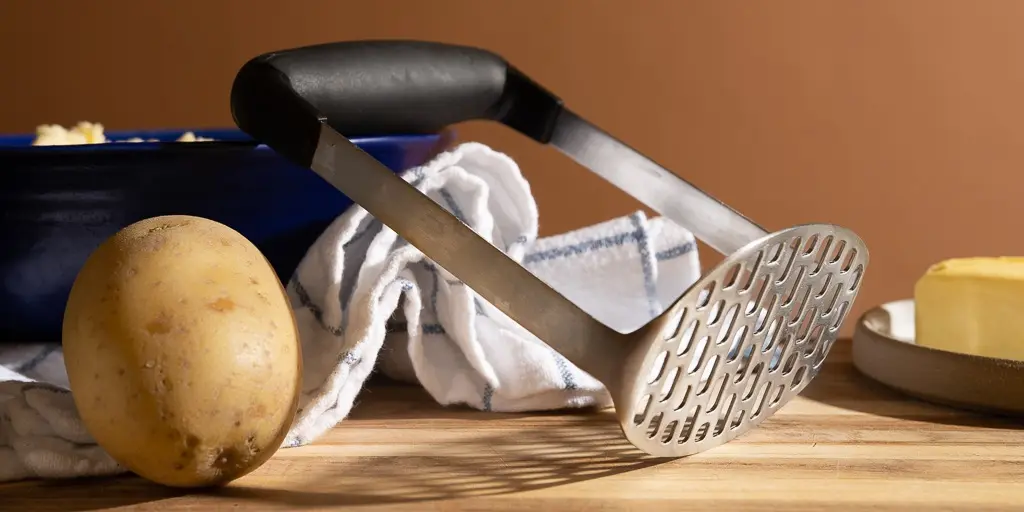
Knives are a go-to tool for most chefs and home cooks due to their versatility. They can handle almost every potato-cutting task, from slicing to dicing. However, a sharp and clean knife is a must to ensure precision and prevent injuries. Dull blades can slip or struggle to cut through the potato, leading to potential accidents, while a dirty knife can introduce bacteria into your food. Therefore, regularly cleaning and sharpening your knives is crucial.
Mandolins, on the other hand, are excellent for creating uniform potato slices. They consist of a flat frame with an adjustable blade, allowing you to slice potatoes into even pieces quickly. While using a mandolin is relatively simple, it requires careful handling due to its razor-sharp blades. Always use a handguard when sliding the potato across the blade to protect your fingers.
Food processors are another efficient tool for cutting potatoes. They can dice or shred potatoes in seconds, making them a convenient option for those who need to prepare large quantities. Food processors often come with various attachments, allowing for different types of cuts such as julienne, dice, and waffle cuts. This versatility makes food processors a valuable addition to any kitchen.
Once you've chosen your tool, mastering the technique is the next step. For knife users, it's important to hold the potato steady with one hand while cutting with the other. This prevents the potato from moving and ensures more accurate cuts. Similarly, mandolin and food processor users should carefully follow the manufacturer's instructions to get the best results and avoid accidents.
Different cutting techniques yield different types of cuts. For instance, julienne cuts, which involve slicing the potato into thin, long strips, are perfect for salads and stir-fries. Diced potatoes, cut into small, even cubes, work great for stews and soups as they cook quickly and absorb flavors well. Waffle cuts, which require a special attachment for a mandolin or food processor, create a criss-cross pattern and are perfect for crispy potato chips or fancy garnishes.
In conclusion, choosing the right tool and mastering the technique can dramatically improve your potato-cutting skills. From ensuring uniformity to speeding up the cutting process, these tools and techniques are essential for any culinary enthusiast.
(cr: The New York Times)
Pro Tips for Consistent Potato Cuts
Choosing the right knife is the first step to consistent potato cutting. A sharp, thin-bladed knife ensures clean cuts and prevents the potato from becoming mushy. A stable cutting board is equally important to avoid slips that could lead to uneven cuts or injuries.
The size of the potato also plays a role in achieving consistent cuts. Larger potatoes can be more challenging to cut, so opt for similarly sized potatoes. Old or sprouting potatoes can also be harder to cut, offering more resistance and leading to inconsistent cuts.
One common mistake when cutting potatoes is neglecting to wash and dry them properly. Ensuring they are clean and dry prevents slips that can lead to uneven cuts.
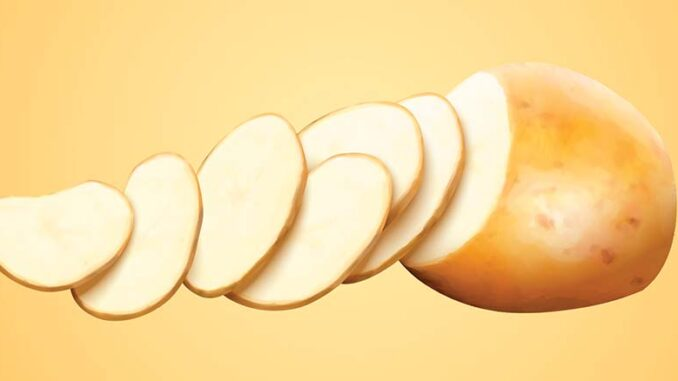
For consistent potato cuts, start by slicing off a small piece from one end to create a flat surface. This ensures the potato won't roll while you're cutting. Next, slice the potato in half lengthwise, then place each half flat side down and cut into slices. Stack these slices and cut them into cubes.
Mandolines and food processors with attachments can help achieve consistency, but remember to use them safely. Always follow the manufacturer's instructions and use protective gear when necessary.
(cr: Frozen Food Europe)
Creative Uses for Consistent Potato Cuts
Classic dishes such as French fries and potato gratin utilize consistent potato cuts. But why limit yourself to traditional dishes? Try making potato samosas with a filling of spiced vegetables or seasoning roasted potatoes with herbs and spices for a Mexican-inspired meal.
Innovative uses of consistent potato cuts include creating potato roses. Thinly sliced potatoes are wrapped in a spiral shape and baked until golden and crispy. These visually impressive potato roses also make a unique and tasty side dish.
Experimenting with different cuts and flavors can lead to exciting culinary creations. Try cutting potatoes into thick wedges and tossing them in a mixture of honey and mustard before roasting for a sweet and savory twist. Or slice potatoes into thin rounds, layer them with garlic and parmesan, and bake for a flavorful and crispy snack.
In conclusion, the art of consistent potato cutting can significantly enhance a range of dishes and cuisines. From classic French fries to innovative potato roses, the possibilities are endless. So sharpen your potato peeler and start exploring the world of consistent potato cuts.
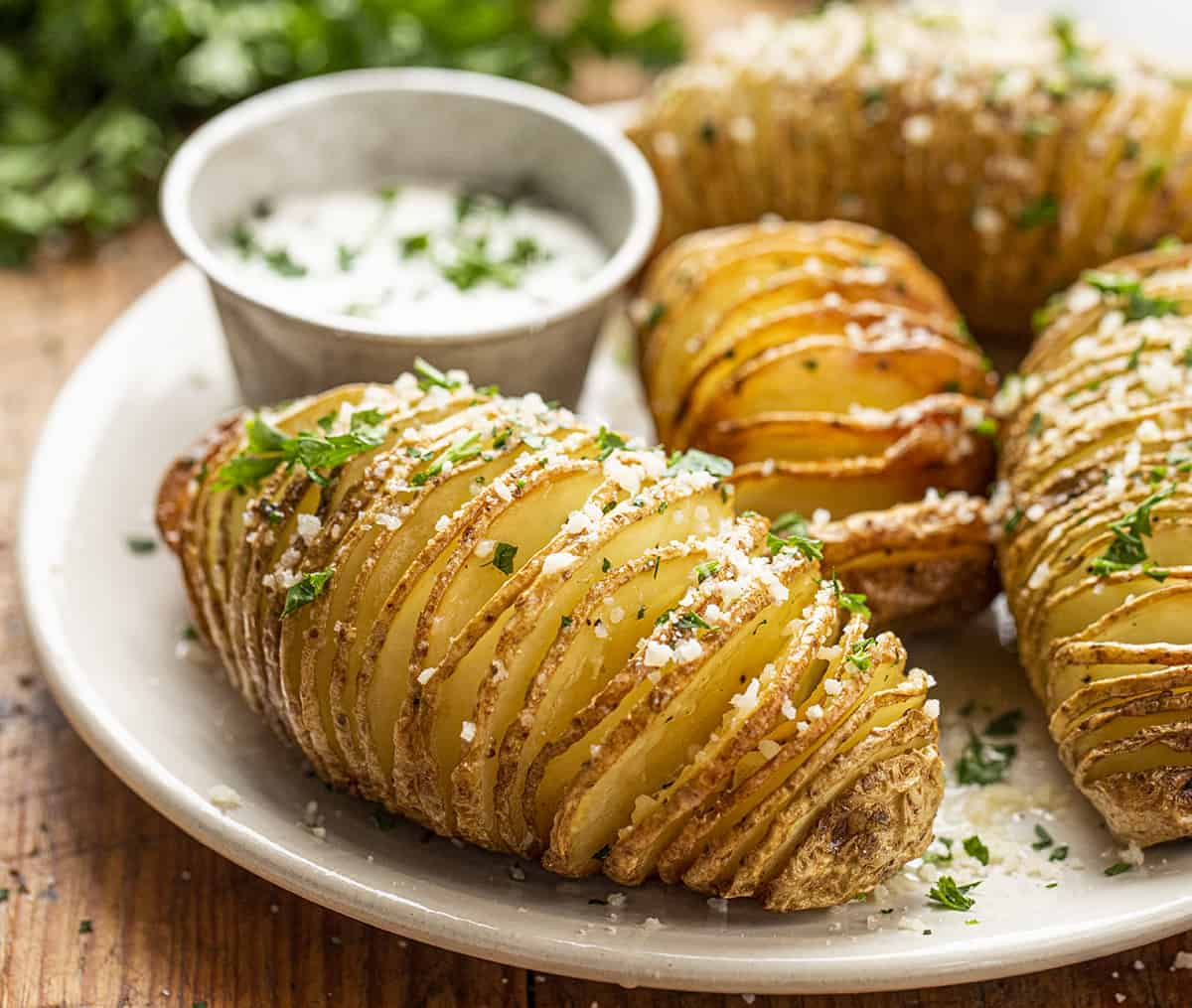
(cr: I Am Homesteader)
