
How to Take Care of Your Skiing Goggles and Make Them Last Longer
Upload time :December 13, 2023
Shares
Reads
As a skiing enthusiast, taking care of your goggles is essential to ensure they last for many seasons. The article provides tips on cleaning and maintaining your ski goggles, including using microfiber cloths and avoiding harsh chemicals. It also explores how to repair minor scratches and damage, such as using toothpaste or purchasing replacement lenses. Additionally, it offers suggestions on best practices for wearing and using your goggles while skiing, such as keeping them fog-free and avoiding touching the lenses. By following these simple steps, you can protect your investment and enjoy clear vision while hitting the slopes.
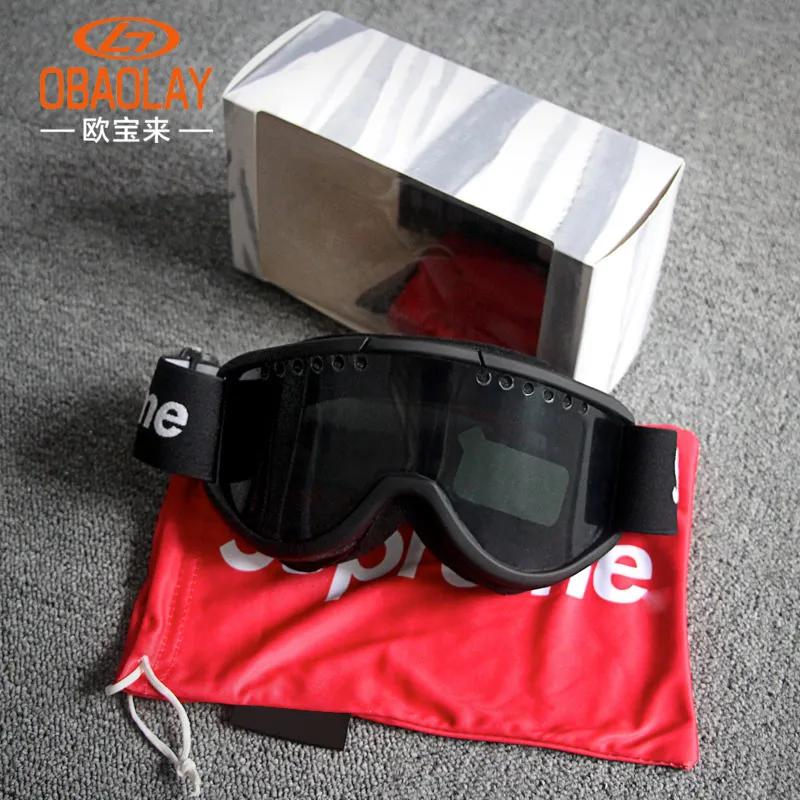
Buy Now
See More: Wholesale Products
Cleaning and Maintenance
The first step in maintaining your skiing goggles is to clean them properly. Avoid using harsh chemicals or abrasive materials that could scratch the lenses. Instead, opt for a soft microfiber cloth specifically designed for cleaning goggles. These cloths are gentle enough to avoid scratching the lenses but effective enough to remove dirt and grime. Simply gently wipe the lenses with the cloth, being careful not to apply too much pressure.
For tougher stains or dirt buildup, you may need to use a mild soap solution. Mix a drop of dish soap with warm water and use a soft cloth to gently scrub the lenses. Be sure to rinse thoroughly with clean water and dry them off with a microfiber cloth to avoid water spots.
When it comes to storing your goggles, it's essential to keep them in a safe place that will protect them from damage. Many goggles come with a protective case that is perfect for storage. If your goggles didn't come with a case, you can also store them in a soft cloth bag to protect them from scratches and dust. Avoid leaving them in direct sunlight or heat, as this can cause the lenses to warp or crack.
Regular maintenance is also crucial to keep your goggles in top condition. Check the foam around the edges of the goggles regularly, as this can become damaged over time. If the foam is starting to wear down or peel off, it's time to replace the goggles. Similarly, check the straps for signs of wear or fraying, as this can impact their effectiveness.
Repairing Scratches and Damage
When skiing, wearing goggles is essential to protect your eyes from sun glare, wind, and snow. But what happens when your goggles get scratched or damaged? Do you need to replace them entirely? The good news is that minor scratches and damage can often be repaired at home with a few simple tips and tricks.
One of the most common ways to repair scratches on goggles is by using toothpaste. Yes, you read that right - toothpaste! Simply apply a small amount of toothpaste to the scratched area and use a soft cloth to rub it in gently. After a few minutes, rinse the goggles with warm water and dry them off with a clean cloth. Voila! Your scratches should be significantly reduced or even gone altogether.
Another option for repairing scratches is to use a scratch repair kit. These kits contain a special solution that fills in the scratches, making them less noticeable or invisible. You can find these kits at most sporting goods stores or online retailers.
If your goggles have more severe damage, such as cracks or broken parts, it's best to take them to a professional repair shop. Attempting to fix major damage yourself can lead to further damage or even render the goggles useless. Look for a reputable ski shop that offers repair services or contact the manufacturer to see if they have any recommended repair shops.
In some cases, the best option may be to purchase replacement lenses. Most goggle manufacturers offer replacement lenses that are designed to fit their specific goggles. This can be an excellent option if your goggles have several scratches or are severely damaged.
It's important to note that while repairing scratches and damage may prolong the life of your goggles, they won't last forever. Goggles are subjected to harsh conditions, including extreme cold, high altitude, and moisture. Over time, even the best goggles will begin to show signs of wear and tear, and eventually, they'll need to be replaced.
To keep your goggles in good condition, always store them in a protective case when not in use. Avoid wiping the inside of the lenses, as this can cause fogging. Instead, let the goggles air dry or use a soft cloth to gently pat them dry. And finally, never leave your goggles in direct sunlight or near a heat source, as this can cause damage to the lenses or frame.
Best Practices on the Slopes
Avoid Touching the Lenses
One of the most common mistakes skiers make is touching their goggles' lenses with their fingers or gloves. This can cause scratches or smudges on the lens, which will affect your visibility on the slopes. To avoid this, always handle your goggles by the frame and try not to touch the lens directly. If you need to clean them, use a microfiber cloth or a goggle-specific cleaning solution instead of your shirt or tissue.
Keep Them Fog-Free
Another issue skiers face is foggy goggles due to moisture build-up inside the lens. This can be frustrating and even dangerous as it impairs your vision, making it difficult to see the terrain ahead. To prevent fogging, make sure your goggles fit snugly against your face, creating a seal to keep warm air from escaping. Additionally, consider purchasing goggles with anti-fog coating, ventilation systems, or double-layered lenses that reduce condensation.
Choose the Right Lens Color
Different weather and lighting conditions call for different lens colors to optimize your visibility on the slopes. For example, yellow or rose-colored lenses are ideal for low light conditions such as cloudy or snowy days, while darker lenses like black or grey are better for sunny days. You may also want to choose lenses with polarized filters that reduce glare from the sun or reflective surfaces.
Replace Damaged Lenses
If your goggles' lenses have scratches or cracks, it's time to replace them. Worn-out lenses can impair your vision and pose a safety risk on the slopes. Many ski gear manufacturers offer replacement lenses for their goggles, so make sure you select the correct one for your model.
Store Them Properly
Proper storage of your goggles is crucial to maintain their quality and functionality. When you're not using them, store them in a protective case or pouch to prevent scratches or damage. Avoid leaving them in direct sunlight or extreme temperatures, which can warp or damage the frame or lens material.
In conclusion, investing in a good pair of goggles and taking proper care of them will significantly enhance your skiing experience. By following these best practices, you'll maintain clear, unobstructed vision on the slopes, reducing the risk of accidents and enhancing your overall performance and enjoyment. Remember to avoid touching the lenses, keep them fog-free, choose the right lens color, replace damaged lenses, and store them properly. Happy skiing!
FAQ
Q1. How do I clean my skiing goggles properly?
To clean your skiing goggles, use a microfiber cloth (or goggle-specific cleaning cloth) to gently wipe the lenses. If there is dirt or grime on the lenses, rinse them in warm water and then gently wipe with the cloth. Avoid using harsh chemicals or paper towels as they can scratch the lens.
Q2. Can I store my skiing goggles anywhere?
It's important to store your skiing goggles in a protective case to avoid scratches and damage. Avoid storing your goggles in extreme temperatures (e.g., leaving them in your car during hot summer days) as this can cause the lenses to warp or crack.
Q3. How often should I replace my skiing goggles?
If your goggles are scratched, damaged, or don't fit well anymore, it's time to replace them. Additionally, if you notice that your visibility is compromised while skiing due to fogging or glare, it may be time for a new pair of goggles.
Q4. What can I do to prevent fogging on my skiing goggles?
To prevent fogging on your skiing goggles, make sure they fit properly and are not too loose. Additionally, avoid touching the inside of the lens (as this can leave oil from your skin) and use anti-fog coating or wipes to help reduce moisture buildup. Finally, make sure the vents on your goggles aren't blocked by clothing or other gear.
Recommended related content
How to Dress to Make Your Legs Look Longer
How to Care for Your Cowhide Sandals to Keep Them Looking Brand New
How to Care for Your Men's Leather Pants to Keep Them Looking Great
How to Clean and Care for Your Dolls' Shoes: Tips and Tricks from a Pro
How to care for your white gold wedding band and keep it looking brand new
