
What outdoor gears do I need for a camping trip?
Upload time :December 1, 2023
Shares
Reads
When planning for a camping trip, it's essential to have the right outdoor gear to ensure a comfortable and safe experience. The most crucial items are a tent, sleeping bag, and pad, which provide shelter and warmth during the night. In addition, you'll need cooking equipment and food storage containers to prepare meals and keep them fresh. Lighting and navigation tools such as flashlights, lanterns, and maps are also necessary for navigating your way through the wilderness. Proper clothing and footwear are vital to protect yourself against harsh weather conditions and rough terrain. Besides, don't forget emergency supplies such as first aid kits to address medical issues that may arise during your trip. All these items are essential to ensure a successful camping trip, so make sure to pack them before embarking on your adventure. By having all the necessary outdoor gear, you'll be ready to enjoy all the wonders that nature has to offer without any worries.
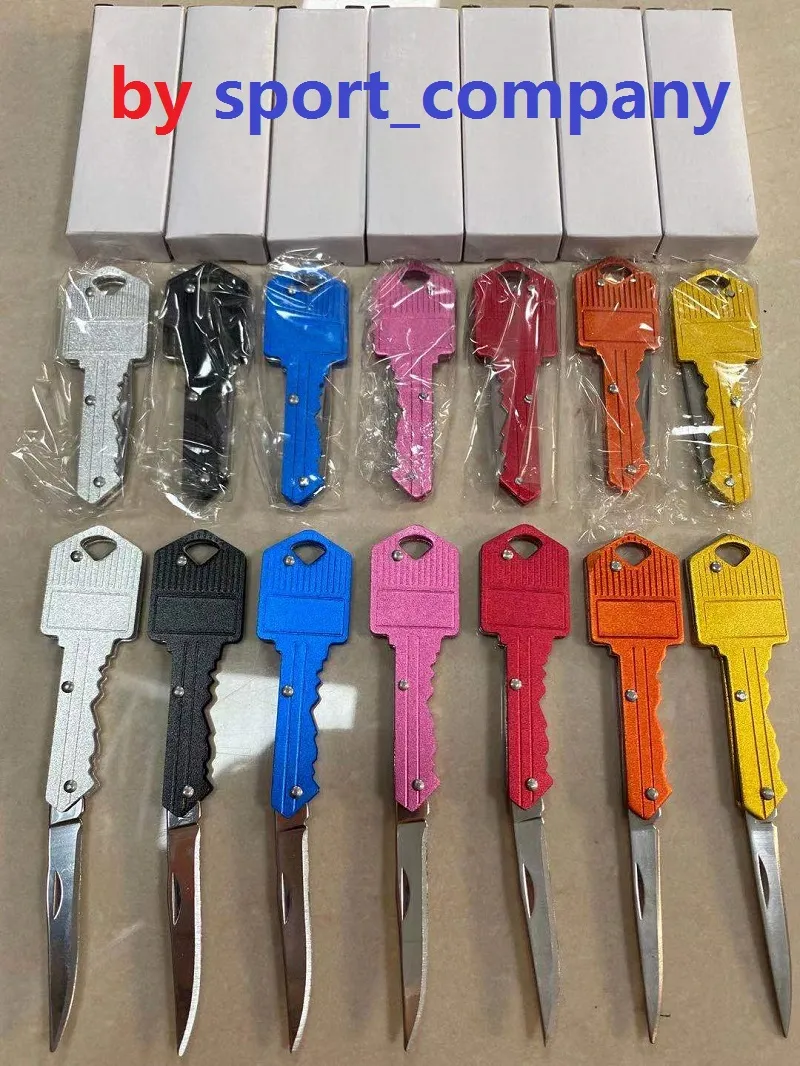
Buy Now
See More: Wholesale Products
1. Tent, sleeping bag, and pad
Tent
First on the list is the tent. A good quality tent is essential for your camping trip as it provides shelter from the elements, protecting you from rain, wind, and harsh sunlight. When choosing a tent, consider factors such as size, weight, and durability. The size of your tent will depend on the number of people who will be using it, so make sure to choose one with enough room for everyone. Tents come in various weights, so if you plan on backpacking, look for a lightweight option that's easy to carry. Durability is also important, especially if you plan on camping in rough terrain or extreme weather conditions. Always choose a tent that's made from high-quality materials and has sturdy poles and stakes.
Sleeping Bag
The second item on the list is a sleeping bag. A good sleeping bag is essential for camping as it keeps you warm and comfortable during the night. Sleeping bags come in different sizes, shapes, and temperature ratings. When choosing a sleeping bag, consider the temperature rating, which tells you what temperature the bag is designed for. If you're camping in cold weather, choose a sleeping bag with a lower temperature rating, while a higher rating is suitable for warmer temperatures. You should also consider the shape of the sleeping bag, as this affects how warm it is. Mummy-shaped bags are more efficient at retaining heat than rectangular bags but can feel restrictive. Finally, consider the insulation material used in the sleeping bag, such as down or synthetic fill.
Sleeping Pad
The third essential item is a sleeping pad. A sleeping pad provides comfort and insulation from the ground. It also protects your sleeping bag from moisture and dirt. There are two types of sleeping pads: foam and inflatable. Foam pads are lightweight, durable, and affordable, but tend to be bulky and less comfortable than inflatable pads. Inflatable pads are more comfortable and pack down smaller, but are more expensive and can puncture or leak. When choosing a sleeping pad, consider your budget, camping style, and personal preference.
Other Gear Essentials
Aside from the three main essentials, there are other outdoor gears that you may need for your camping trip. These include:
1. Backpack - A good quality backpack is essential for carrying all your gear. Choose one that fits comfortably and has enough space for everything you need.
2. Camping stove and cookware - Unless you plan on eating cold food throughout your trip, a camping stove and cookware are necessary. Look for lightweight options that are easy to use and clean.
3. Headlamp or flashlight - You'll need a reliable source of light during the night, whether for cooking meals or going to the bathroom. A headlamp is the most convenient option as it leaves your hands free.
4. Water filter/purifier - Depending on where you're camping, water may not be readily available, or it may contain harmful bacteria. A water filter or purifier ensures that you have safe drinking water.
5. First aid kit - Accidents happen, and it's always better to be prepared. A basic first aid kit should include items such as bandages, antiseptic wipes, and pain relievers.
6. Navigation tools - If you're venturing into unfamiliar territory, navigation tools such as a map, compass, or GPS device are essential.
7. Clothing - Dressing appropriately for the weather conditions is crucial when camping. Bring along layers of clothing, including a waterproof jacket and pants, to prepare for any changes in weather.
Conclusion
2. Cooking equipment and food storage
Cooking Equipment
One of the essential things you need while camping is a reliable cooking equipment. You need to have a stove, fuel, cookware, utensils, and cleaning supplies. There are various types of stoves available, such as propane stoves, liquid fuel stoves, and wood-burning stoves. Propane stoves are easy to use, lightweight, and ideal for car camping. On the other hand, liquid fuel stoves are more versatile and can handle extreme weather conditions, but they require more maintenance and are bulkier. Wood-burning stoves, on the other hand, are eco-friendly, but they require a lot of effort and time to set up and maintain.
Your choice of cookware and utensils will depend on the number of people you are camping with, your cooking style, and the type of food you intend to prepare. A basic set of pots, pans, and utensils will suffice for most camping trips. You may also want to bring a cutting board, knife, and a can opener. Disposable plates and cups are an option, but reusable dishes are more eco-friendly and cost-effective in the long run. You should also consider bringing cleaning supplies such as a sponge, dish soap, and a towel to tidy up after meals.
Food Storage
Food storage is another crucial aspect of camping that requires careful consideration. You need to store your food in a safe and secure place to prevent it from attracting wildlife or getting spoiled. There are various types of food storage containers, such as coolers, dry bags, and bear canisters.
Coolers are ideal for storing perishable food items such as meat, dairy products, and beverages. They come in different sizes and materials such as hard-sided, soft-sided, and collapsible. Hard-sided coolers are more durable and offer better insulation, but they are heavier and less portable than soft-sided or collapsible coolers.
Dry bags are ideal for storing non-perishable food items such as cereals, pasta, rice, and snacks. They are lightweight, waterproof, and easy to carry. Bear canisters, on the other hand, are essential for camping in bear country. They are designed to keep bears and other wildlife away from your food and protect them from damage. They are usually made of tough materials such as polycarbonate or carbon fiber and have a locking mechanism that prevents animals from accessing the contents inside.
Conclusion
3. Lighting and navigation tools
Camping trips usually involve spending time outdoors in the wilderness where there may not be any streetlights or other sources of illumination. Therefore, having a reliable source of light is crucial. Here are some of the lighting options that you can consider:
1. Flashlights
Flashlights are an excellent source of light for camping trips. They are versatile and come in different sizes and shapes, allowing you to choose one that best suits your needs. You can use a small flashlight to read a book inside your tent or a large one to illuminate your entire campsite. Some flashlights also come with additional features such as SOS signals, strobe modes, and adjustable focus.
2. Headlamps
Headlamps offer hands-free lighting, making them ideal for activities such as cooking, hiking, and setting up camp at night. They are lightweight and easy to wear, and some models come with adjustable brightness settings. The batteries on headlamps typically last long, and they are rechargeable, making them an eco-friendly option.
3. Lanterns
Lanterns provide a more ambient source of light that can illuminate your entire campsite. They come in different sizes and styles, including battery-powered, propane-powered, and solar-powered models. Some lanterns also have a dimming feature, allowing you to adjust the brightness of the light.
Navigation Tools
When camping, you need to be able to navigate through the wilderness. There are several navigation tools you can consider bringing along:
1. Compass
A compass is an essential navigation tool that you should always carry with you when camping. It helps you determine directions, which is especially important when you lose your way. A good quality compass is durable, reliable, and easy to use.
2. GPS Device
A GPS device is another useful navigation tool that you can bring with you on your camping trip. It uses satellites to locate your position, and you can use it to track your route, mark waypoints, and measure distances. A GPS device is particularly helpful when exploring new trails or areas.
3. Maps
No matter how advanced technology gets, maps will always remain a valuable navigation tool for camping. You should always carry a detailed map of the area you plan to explore. Maps help you get a sense of the terrain, the distance between locations, and identify landmarks that can guide you along the way.
Conclusion
4. Proper clothing and footwear
1. Consider the weather conditions
The first thing you need to consider when selecting your outdoor gears is the weather conditions. Knowing the climate and temperature helps you determine the type of clothing and footwear you'll need. If you're camping in the summer, lightweight and breathable clothes are ideal to keep you cool and comfortable. In contrast, if you're camping in the winter, you'll need to wear layers of insulated clothing to keep you warm.
It's also important to check the forecast before you set off on your trip. If there's any chance of precipitation, pack waterproof clothing such as rain jackets and pants. This way, you can stay dry even when it's raining outside.
2. Choose clothing made of appropriate materials
The next step is to select clothes made of suitable materials. Synthetic fabrics like polyester and nylon are excellent options for outdoor activities because they dry quickly and are more durable than cotton. They're also less likely to absorb moisture, which means you won't get weighed down by wet clothes if you happen to get caught in the rain.
If you prefer natural fibers, wool is an excellent choice because it retains warmth, even when wet. However, keep in mind that wool takes longer to dry than synthetic fabrics.
3. Invest in quality footwear
Your choice of footwear is just as critical as your clothing selection. When camping, you'll be walking on various terrains, including rocky paths, muddy trails, and grassy fields. Therefore, it's essential to invest in high-quality footwear that provides comfort, support, and protection.
Hiking boots are the best option for camping trips because they're sturdy and designed to provide excellent traction on rough terrain. They come in different styles and designs, so choose one that fits your needs and preferences. Be sure to break in new hiking boots before embarking on your camping trip to prevent blisters and discomfort.
4. Pack extra layers
Regardless of the season, temperatures can drop at night, so packing extra layers is an absolute must. Bring along a warm jacket, fleece, or sweater to layer over your clothes when the temperature drops. You can always take off the extra layers if you get too warm.
5. Don't forget about accessories
Accessories such as hats, gloves, and sunglasses are often overlooked but are equally important. A hat protects your face from the sun's harmful rays, while gloves keep your hands warm and protected from cuts and scrapes. Sunglasses protect your eyes from glare and harmful UV rays.
5. Emergency supplies such as first aid kit.
1. Tent
The first item on your camping gear list should be a tent. Choose one that’s appropriate for the size of your group, weather conditions and location. When selecting a tent, consider the number of people who will be sleeping in it, as well as the amount of gear that will need to be stored inside. You may also want to consider the seasonality of your trip and choose a tent that can handle extreme temperatures, rain, snow or wind.
2. Sleeping Bag and Pad
A good sleeping bag and pad will keep you warm and comfortable at night. Choose a sleeping bag that’s appropriate for the expected temperature range and a pad that’s durable and provides adequate cushioning. If you’re backpacking, consider investing in a lightweight and compact sleeping bag and pad to save space and weight.
3. Camp Stove and Fuel
Cooking over an open fire is a classic camping experience, but if you’re planning on staying in one place for multiple days or cooking more than the occasional hot dog or marshmallow, you’ll need a camp stove and fuel. Look for a stove that’s easy to set up and use, and fuel that’s appropriate for the stove you choose.
4. Water Filter
Access to clean drinking water is essential when camping. While some campsites may have water spigots or wells, others may require you to filter or treat your own water. A portable water filter is a convenient and reliable way to ensure that you have access to clean drinking water no matter where you camp.
5. Emergency Supplies
No matter how well-prepared you are, accidents and emergencies can happen when camping. Be sure to pack a first aid kit that includes items like bandages, gauze, antiseptic wipes, tweezers, and pain relievers. Other emergency supplies to consider include a map and compass, whistle, flashlight, extra batteries, and a multi-tool.
6. Clothing and Footwear
When packing clothing and footwear for a camping trip, think about the activities you’ll be doing and the weather conditions you’re likely to encounter. Pack plenty of layers, including a waterproof jacket and pants, and sturdy footwear for hiking and walking on uneven terrain.
7. Food and Cooking Supplies
If you’re camping for multiple days, you’ll need to bring enough food to sustain yourself and your group. Think about the types of meals you want to prepare and pack accordingly. Don’t forget to bring cooking utensils, plates, bowls, cups and cutlery.
8. Personal Hygiene Items
Personal hygiene items may not be the first thing that comes to mind when you think of camping gear, but they’re important nonetheless. Pack items like toothbrushes, toothpaste, soap, hand sanitizer, toilet paper and feminine hygiene products. Remember to pack out all waste and dispose of it properly.
9. Sun Protection
Camping often means spending long hours in the sun, so it’s important to protect your skin from harmful UV rays. Pack sunscreen, sunglasses, a hat and long-sleeved clothing to cover your skin.
10. Entertainment
Camping is a great opportunity to unplug and enjoy the outdoors, but it’s also nice to have some downtime activities available. Bring a book, deck of cards, board games or other forms of entertainment that don’t require electricity.
In conclusion, having the right outdoor gears is crucial to a successful camping trip. Prioritize items like shelter, sleeping gear, cooking supplies, water filtration, emergency supplies, clothing and footwear, personal hygiene items, sun protection, and entertainment. With these essentials, you’ll be ready to tackle any adventure the great outdoors has in store.
Recommended related content
What are the Best Ways to Use Tin Cups for Camping?
What are the best portable generators for camping?
What bird supplies do I need for a happy and healthy pet bird?
