
What's the Difference Between Crochet and Knitted Scarves?
Upload time :August 28, 2023
Shares
Reads
When it comes to scarf-making, many people wonder whether they should crochet or knit. While both crafts involve yarn and require some level of skill, there are distinct differences between the two. Firstly, crochet uses a hook, while knitting requires needles. This means that the resulting fabric will have a different look and feel. Crochet tends to create thicker, more textured fabrics, while knitting can produce more intricate designs. Additionally, crocheting is generally faster than knitting, which makes it a popular choice for those looking to complete a project quickly. However, knitted scarves tend to be stretchier than their crocheted counterparts. Ultimately, the choice between crochet and knitting comes down to personal preference and the desired outcome. Both crafts offer unique benefits and can result in beautiful scarves that are sure to keep you warm during the colder months.
1. Crochet uses a hook, knitting uses needles.
One of the most significant differences between crocheting and knitting is the type of tool used to create the fabric. In crochet, the crafter uses a single hook while in knitting, two needles are used.
The hook used in crochet can be made from metal, plastic, or wood and comes in various sizes ranging from 2.0 mm to 19.0 mm. Hooks have a curved end that allows the crafter to pull yarn through loops to create a chain, which is the foundation of any crochet project. The size of the hook determines the size of the stitches, with larger hooks making bigger stitches and smaller hooks creating more delicate ones.
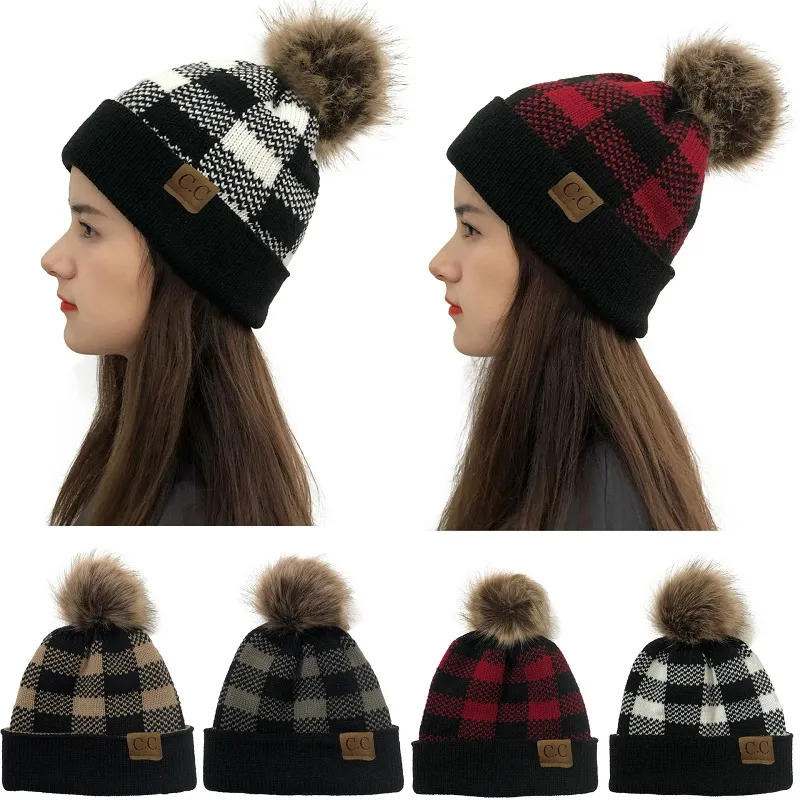 Buy NowSee More: Wholesale Products
On the other hand, knitting needles come in pairs and are usually made from metal, bamboo, or plastic. Like crochet hooks, knitting needles come in different sizes, ranging from 2.0 mm to 25.0 mm. However, unlike crochet, which works with one loop at a time, knitting involves working with multiple loops on both needles at once.
Another difference between the two forms of needlework is the technique used to create the stitches. In crochet, the crafter creates each stitch individually by pulling the yarn through a loop on the hook. This process is repeated to form rows of stitches that create the fabric. There are several basic stitches in crochet, including the single crochet, double crochet, and half-double crochet.
In contrast, knitting involves creating loops on both needles, then using one needle to pass the loop from one needle to the other. This is known as "knitting" the stitch and is repeated to create rows of stitches. There are two basic stitches in knitting: the knit stitch and the purl stitch. Knitting combines these two stitches to create a wide range of patterns and textures.
When it comes to creating scarves, both crochet and knitting can be used to make beautiful and functional pieces. However, the finished product will look very different depending on which craft is used. Crochet tends to create a thicker, stiffer fabric, making it ideal for winter scarves that need to be warm and cozy. Additionally, crochet allows for more intricate designs and colors, making it an excellent choice for scarves that need to be eye-catching and decorative.
Knitting, on the other hand, creates a softer, drapier fabric that is perfect for lightweight scarves. Because knitting involves more loops and fewer spaces between stitches, the resulting fabric is more flexible and can be worn in a variety of ways. Knit scarves also tend to have a more delicate, elegant look, making them a great choice for formal occasions.
2. Crochet creates thicker, more textured fabric.
Crochet vs. Knitting: What's the Difference?
Crochet and knitting both use yarn to create fabric, but the way in which they do so differs significantly. Knitting involves working with two or more needles to loop yarn together to create a fabric. The needles are held horizontally, and each stitch is created by pulling one loop of yarn through another. This process is repeated over and over again until the desired size and shape are achieved.
Crochet, on the other hand, uses a single hook to create loops of yarn that are then pulled through one another to create fabric. Unlike knitting, which creates a series of interlocking loops, crochet stitches are formed by making a series of individual knots.
One of the most prominent differences between crochet and knitting is the appearance of the finished product. Crochet tends to produce a thicker, more textured fabric than knitting, due to the way the yarn is looped and knotted. This can be seen particularly well in crocheted scarves, which often have a more pronounced texture than their knitted counterparts.
Crochet Scarves: Advantages and Disadvantages
There are several advantages to choosing crochet as your preferred technique for making scarves. For starters, crochet allows for more creativity and flexibility in terms of design and texture. Because each crochet stitch is an individual knot, it's easy to switch up the size and spacing of the stitches to create unique patterns and textures.
Additionally, crochet is generally faster than knitting. Because each stitch requires a single loop through the yarn, crochet can move quickly when compared to the constant looping and adjusting required by knitting.
However, crochet also has its disadvantages when it comes to making scarves. One potential issue is that crocheted scarves tend to be thicker and heavier than knitted ones, which can make them less comfortable to wear for extended periods of time. Additionally, because crochet stitches are more pronounced, the final product may not have as much drape or fluidity as a knitted scarf.
Knitted Scarves: Advantages and Disadvantages
While crochet may be the best choice for some scarf designs, knitting offers its own set of advantages. Knitted scarves tend to be lighter and more fluid than crocheted ones, making them a great choice for layering and wearing for long periods of time. Additionally, because knitting creates interlocking loops, the final product can have a more seamless and continuous appearance than a crocheted scarf.
Another advantage to knitting is that it's often easier to create intricate designs and patterns. Because each stitch in knitting is made by looping the yarn through another stitch, it's possible to create complex patterns and textures that would be difficult to achieve with crochet.
However, there are also some downsides to knitting scarves. For one, knitting can be slower than crochet, due to the amount of looping and adjusting required for each stitch. Additionally, knitting may not offer as much room for experimentation and improvisation as crochet, which relies heavily on individual creativity and personal style.
Choosing the Right Technique for Your Scarf
Ultimately, the decision to crochet or knit your scarf will depend on your personal preferences and the specific design you have in mind. If you're looking to create a warm, cozy scarf with lots of texture and personality, crochet may be your best bet. However, if you prefer a more delicate, lightweight scarf with intricate patterns and fluid draping, knitting may be the better choice.
3. Knitting can create more intricate designs.
One of the main differences between crochet and knitted scarves is the appearance of the finished product. Crocheted scarves tend to have a more textured and bulky look, with thicker yarns and larger stitches. Knitted scarves, on the other hand, have a smoother and flatter appearance, with tighter stitches and finer yarns.
Another difference is the speed at which each technique can be completed. Crochet is generally considered to be faster than knitting, since each stitch is formed individually and does not require multiple steps like knitting does. This can be a factor to consider if you need to make a lot of scarves in a short amount of time.
However, one advantage that knitting has over crochet is the ability to create more intricate designs. Knitted scarves can incorporate different stitch patterns, such as cables, lace, and colorwork, which can add depth and interest to the fabric. These designs can be created by manipulating the order and arrangement of the stitches, which is easier to do with knitting than with crochet.
For example, a cable knit scarf might have a central panel that alternates between raised twists and smooth columns of stitches, while the edges are worked in a simpler pattern. This type of design creates a visually appealing texture and can add warmth and insulation to the scarf.
Lace patterns are another popular choice for knitted scarves. These designs typically feature rows of holes or eyelets, which can create a delicate and feminine look. Some lace patterns may also include increases and decreases to create a curved or scalloped edge.
Colorwork is yet another option for knitted scarves. This technique involves working with two or more colors of yarn in the same row, creating a pattern with blocks of color. Fair Isle, Stranded, and Intarsia are all popular types of colorwork that can be used to create unique and eye-catching designs.
While these design elements can certainly be incorporated into crocheted scarves as well, the process may be more challenging due to the nature of the stitches. Crochet tends to be more rigid and less flexible than knitting, which can limit the types of designs that can be created.
In addition to design options, the type of yarn used can also make a difference in the appearance and functionality of a scarf. Bulky, thick yarns are typically used for crocheted scarves, which can create a warm and cozy feel. However, this can also make the scarf heavier and bulkier, which may not be ideal for all situations.
Knitted scarves, on the other hand, can be made with a wider variety of yarn weights and fibers. Finer yarns, such as lace weight or sock weight, can create a softer and more delicate fabric, while bulky yarns can still be used for warmth and texture.
4. Crochet is faster than knitting.
Crochet is faster than knitting
One of the most notable differences between crochet and knitting is the speed at which you can create a scarf. Crochet is generally considered to be faster than knitting, as the stitches are bigger and you can work up rows quickly. This means that if you’re looking to make a scarf in a hurry, crochet may be the way to go.
However, it’s worth noting that the speed at which you can crochet or knit a scarf will depend on your skill level and the complexity of the pattern you’re working with. A beginner crocheter may find themselves working more slowly than a seasoned knitter, for example.
Crochet creates a thicker fabric
Another key difference between crochet and knitting is the texture of the finished fabric. Crochet creates a thicker, denser fabric than knitting, as the stitches are typically taller and wider. This can be an advantage when making scarves, as it means your finished product will be warmer and cozier.
Knitting, on the other hand, creates a flatter, more even fabric. This can be desirable for some projects, but may not be practical for a scarf that needs to provide warmth and insulation.
Crochet gives you more design options
Because of the way that crochet stitches are constructed, crocheters have a wider range of design options available to them. For example, you can create intricate lace patterns using crochet, which can be more difficult to achieve with knitting.
Crochet also allows for more three-dimensional designs, as you can create raised stitches and textures that pop off the surface of the fabric. This can be particularly useful for making scarves that feature patterns such as flowers or leaves.
Knitting offers more precision and detail
While crochet may offer more design options, knitting is often favored for its ability to produce precise, detailed work. Because the stitches in knitting are smaller and flatter, it’s easier to create intricate patterns and designs without the risk of distortion.
This precision can be especially important when working with colorwork or intarsia, where multiple colors are used to create a complex design. Knitting can ensure that each color stays exactly where it’s supposed to be, resulting in a clean, polished finish.
5. Knitted scarves tend to be stretchier.
Scarves are a great accessory to add to any outfit. They provide warmth during the colder months and can be worn in various styles, making them a versatile piece of clothing. Crochet and knitted scarves are both popular choices when it comes to crafting a scarf, but what sets them apart? In this article, we will explore the difference between crochet and knitted scarves.
Crochet Scarves
Crochet is a craft that involves using a hook to create loops and knots with yarn or thread. Crochet stitches are formed by pulling loops of yarn through other loops, creating a chain-like structure that makes up the fabric. Crochet stitches are typically taller than knitted stitches, which results in a thicker and more textured fabric.
When it comes to crocheting a scarf, there are many different patterns and techniques to choose from. Some popular crochet stitches used for scarves include single crochet, double crochet, and half-double crochet. Crochet scarves tend to have a tighter weave than knitted scarves, which makes them perfect for keeping you warm in cold weather.
One advantage of crocheting a scarf is that it allows you to use a wide range of yarns and colors. The thicker texture of the fabric means that you can use chunky or thick yarns to create a cozy and warm scarf. Additionally, crochet stitches create a unique texture that can add interest to a simple pattern.
Knitted Scarves
Knitting, on the other hand, is a technique that uses two needles to create loops and interlock them to form a fabric. Knitting stitches are formed by interlocking loops of yarn, creating a series of V-shaped patterns that make up the fabric. Knitted stitches are typically shorter than crochet stitches, resulting in a stretchier fabric.
When it comes to knitting a scarf, there are numerous patterns and techniques to choose from. Some popular knitting stitches used for scarves include garter stitch, stockinette stitch, and rib stitch. Knitted scarves tend to have a more relaxed and drapey feel than crochet scarves due to their stretchiness.
One advantage of knitting a scarf is that it allows for more intricate patterns and designs. The stretchiness of the fabric makes it easier to create detailed and complex patterns. Additionally, knitting stitches create a smooth and uniform fabric that can be used for a variety of styles and looks.
The Difference Between Crochet and Knitted Scarves
While both crochet and knitted scarves serve the same purpose, they differ in terms of texture and stretchiness. Crochet scarves tend to be thicker and have a tighter weave, making them perfect for keeping you warm in cold weather. Knitted scarves, on the other hand, tend to be stretchier and have a more relaxed feel, making them ideal for layering and adding a pop of color to your outfit.
Another difference between crochet and knitted scarves is the type of yarn used. While both crafts allow for a wide range of yarns and colors, certain yarns work better for specific techniques. For example, chunky or thick yarns work well for crochet scarves since the thicker texture of the fabric can handle the weight of the yarn. On the other hand, thinner and lighter yarns work well for knitted scarves since the stretchiness of the fabric can accommodate the weight of the yarn.
In conclusion, crochet and knitted scarves each have their own unique qualities that make them a great choice for crafting a scarf. Whether you prefer a thicker and more textured scarf or a stretchy and drapey one, both crafts offer endless possibilities for creating a cozy and stylish accessory.
