
How to Choose the Perfect Gemstone Ring for Your Style
Upload time :December 31, 2023
Shares
Reads
Choosing the perfect gemstone ring that perfectly encapsulates your personal style can be a daunting task, but there are few simple steps you can take to ensure that you find the right one. Firstly, it's important to determine your budget and personal style since this will help you narrow down your options. You should also consider the color and shape of the gemstone and how it complements your skin tone and wardrobe. The setting and metal are also critical factors to keep in mind when selecting a ring as they can enhance or detract from the gemstone's beauty. Durability and maintenance should also be considered, especially if you plan on wearing the ring regularly. Lastly, it's vital to get the ring professionally sized to ensure a comfortable fit. By following these steps, you'll be able to select a gemstone ring that perfectly reflects your style and personality while also being practical and durable.
1. Determine personal style and budget
1. Determine Your Personal Style
The first step in choosing the perfect gemstone ring is to determine your personal style. Do you prefer classic and timeless styles, or do you like more modern and trendy designs? Are you drawn to bold and colorful gemstones, or do you prefer something more understated and neutral?See More: How to Care for and Maintain Your Black Stone Rings
To help determine your personal style, take a look at your wardrobe and jewelry collection. What colors do you tend to wear most often? Are you drawn to gold or silver jewelry? Do you prefer dainty and delicate pieces, or do you like bigger and bolder statement pieces?
Once you have a better understanding of your personal style, you can start to narrow down your search for the perfect gemstone ring.
2. Consider the Type of Gemstone
The type of gemstone you choose for your ring will also play a big role in its overall style and look. Some of the most popular gemstones for rings include diamonds, sapphires, emeralds, rubies, and pearls.
Diamonds are the classic choice for engagement rings, but they can also be used in a variety of other types of rings. Sapphires are a great option for those who want a pop of color, while emeralds offer a deep green hue that is perfect for nature lovers. Rubies are known for their rich red color and make a bold statement, while pearls offer a more traditional and elegant look.See More: What Are the Best Gemstone Diamonds for Engagement Rings?
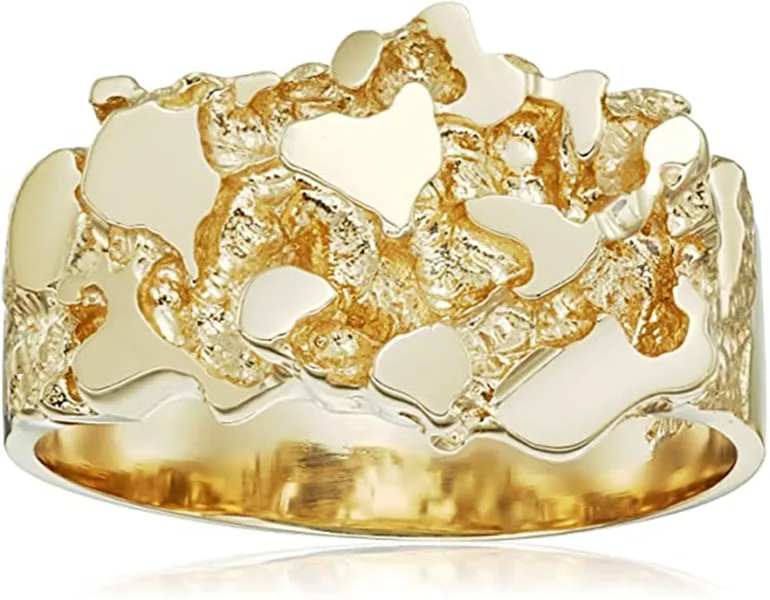
Buy Now
See More: Wholesale Products
When choosing a gemstone for your ring, consider not only its color and appearance but also its durability and how well it will hold up over time.
3. Select a Metal
The metal you choose for your ring will also impact its overall style and look. Some of the most popular metals for rings include gold (both yellow and white), platinum, and sterling silver.
Gold is a classic choice that works well with a wide range of gemstones and styles. Platinum is more durable than gold but also tends to be more expensive. Sterling silver is a great option for those who want a more affordable option but still want a beautiful and high-quality ring.See More: DIY Heating Pad: Easy and Affordable at Home Solution
When choosing a metal for your ring, consider not only its appearance but also its durability and how well it will hold up over time.
4. Set a Budget
One of the most important factors to consider when choosing the perfect gemstone ring is your budget. Rings can vary greatly in price depending on the type of gemstone, metal, and overall design.
Before you start shopping, determine how much you are willing to spend on your ring. This will help you narrow down your options and ensure that you stay within your budget.See More: What Are the Best Bags for Shopping? Tips and Tricks to Choose the Right One
5. Consider Customization Options
Another great way to ensure that you get the perfect gemstone ring for your style is by exploring customization options. Many jewelry stores offer custom design services that allow you to create a completely unique and personalized ring.
Customization options can include selecting your own gemstone, choosing a specific metal and setting, and even adding engraving or other special touches. By working with a jeweler to create a custom ring, you can ensure that it perfectly matches your personal style and preferences.
2. Consider gemstone color and shape
Gemstone Color:
The color of your gemstone should complement your skin tone and wardrobe. If you have cool undertones in your skin, look for gemstones in cooler shades such as blue, green, or purple. On the other hand, if you have warm undertones, opt for warmer colors such as red, orange, or yellow.
Another thing to consider is the meaning behind the gemstone's color. For example, a blue sapphire is associated with wisdom and truth, while a green emerald symbolizes renewal and growth. Choose a gemstone color that resonates with you and represents something meaningful.
Gemstone Shape:
The shape of your gemstone can also make a difference in the overall look of your ring. Here are a few popular shapes to consider:
1. Round: A classic choice, round gemstones are versatile and go well with any outfit. They're also a safe bet if you're unsure about what shape to choose.
2. Oval: Similar to round but with a more elongated shape, oval gemstones are elegant and slimming.
3. Princess: With their square shape and pointed corners, princess cut gemstones are modern and edgy.
4. Cushion: Soft and romantic, cushion cut gemstones have a rounded square shape with curved edges.
5. Pear: Also known as teardrop shaped, pear cut gemstones are feminine and exotic.
6. Marquise: Elegant and sophisticated, marquise cut gemstones have a long, narrow shape with pointed ends.See More: How to Choose the Perfect Marquise Cut Engagement Ring
When choosing the shape of your gemstone, consider the overall look you're going for. Do you want something classic and timeless or more trendy and unique?
Gemstone Clarity:
In addition to color and shape, gemstone clarity is also an important factor to consider. The clarity of a gemstone refers to the number and visibility of inclusions (internal flaws) or blemishes (external flaws). The clearer the gemstone, the more valuable it is.
However, keep in mind that flawless gemstones are rare and expensive. As long as the inclusions or blemishes don't affect the overall appearance of the gemstone, a slightly less clear stone may be a more affordable option.
Gemstone Cut:
The cut of a gemstone refers to the way it has been shaped and polished. A well-cut gemstone will reflect light beautifully and enhance its natural color. In contrast, a poorly cut gemstone may appear dull and lifeless.
When shopping for a gemstone ring, pay attention to the cut of the stone. Look for a gemstone that has excellent symmetry and proportion, as well as a good polish and finish.
Gemstone Setting:
Finally, consider the setting of your gemstone ring. The setting refers to the metal framework that holds the gemstone in place. Some popular settings include:
1. Prong: The most common setting, prongs are small metal claws that hold the gemstone in place.
2. Bezel: In a bezel setting, the gemstone is surrounded by a metal rim that holds it securely in place.
3. Channel: In a channel setting, the gemstones are set into a metal channel that runs along the band of the ring.
4. Pave: In a pave setting, small gemstones are set closely together to create a "paved" effect.
Choose a setting that not only complements the gemstone but also fits your lifestyle. For example, if you work with your hands a lot, a low-profile setting may be more practical than a high-set prong setting.
3. Choose appropriate setting and metal
Consider Your Lifestyle
When choosing a setting and metal for your gemstone ring, it's important to consider your lifestyle. If you lead an active lifestyle or work with your hands frequently, you may want to choose a sturdy metal like platinum or titanium. These metals are durable and less likely to scratch or bend than softer metals like gold or silver.
If you plan on wearing your ring every day, you'll want to choose a setting that can withstand daily wear and tear. A prong setting, for example, can be more vulnerable to damage than a bezel or channel setting. Be sure to discuss all of your options with your jeweler to find a setting that will best suit your lifestyle.
Choose a Metal That Complements Your Gemstone
The metal you choose for your gemstone ring can also affect the appearance of the stone. Some gemstones look better with certain metals than others. For example, diamonds tend to look best with white gold or platinum, while warmer-colored gemstones like citrine or garnet look better with yellow or rose gold.
Consider the Color of Your Skin
The color of your skin can also play a role in how well certain metals complement your gemstone. If you have cool-toned skin, you may find that silver or white gold looks better on you than yellow or rose gold. On the other hand, if you have warm-toned skin, you may find that yellow or rose gold complements your skin tone better.
Think About Your Personal Style
Your personal style should also factor into your decision when choosing a setting and metal for your gemstone ring. If you prefer a classic look, you may want to choose a simple and elegant setting like a solitaire or three-stone ring. If you prefer a more modern look, you may want to choose a unique setting like a tension or flush setting.
The metal you choose can also reflect your personal style. If you prefer a more casual look, you may want to choose a metal like sterling silver or yellow gold. If you prefer a more formal look, you may want to choose a metal like white gold or platinum.
Consider Your Budget
Finally, it's important to consider your budget when choosing a setting and metal for your gemstone ring. Precious metals like platinum and gold can be more expensive than other metals like stainless steel or titanium. Additionally, more intricate settings can be more expensive than simpler settings.
Be sure to discuss your budget with your jeweler so that they can help you find a setting and metal that fits within your price range.
4. Think about durability and maintenance
1. Choose a durable gemstone
Some gemstones are more durable than others, which means they are less likely to chip or scratch with everyday wear. Diamond, sapphire, and ruby are some of the most durable gemstones, making them popular choices for engagement rings and other pieces of jewelry that will be worn daily. Other gemstones, such as opal and pearl, are more delicate and require special care and attention.
When selecting a gemstone for your ring, consider your lifestyle and how much wear and tear the ring is likely to endure. If you work with your hands or engage in activities that may cause damage to the stone, opt for a more durable gemstone like diamond or sapphire.
2. Consider the setting
The setting of the ring can also impact the durability and maintenance of the gemstone. A secure setting will help protect the stone from damage and prevent it from falling out of the ring. A prong setting is one of the most common types of settings, where metal prongs hold the gemstone in place. This type of setting allows for maximum light to pass through the gemstone, showcasing its brilliance and sparkle.
Other types of settings include bezel, channel, and pave settings. Bezel settings encase the gemstone in a metal frame, providing extra protection. Channel settings feature a row of stones set next to each other in a groove, while pave settings have small diamonds or gemstones set closely together to create a glittering surface.
3. Know how to care for your gemstone ring
Proper maintenance is essential to the longevity of your gemstone ring. Some gemstones require specialized care, such as avoiding exposure to sunlight or harsh chemicals. Others can be cleaned with mild soap and water or a soft brush.
It’s also important to take off your ring when engaging in activities that could damage the stone, such as cleaning or exercising. Regular cleaning and inspection by a professional jeweler can also help maintain the beauty and integrity of your gemstone ring.
4. Think about long-term value
While your personal style and preferences should guide your choice of gemstone ring, it’s also important to consider the long-term value of your purchase. Some gemstones, such as diamonds and sapphires, have enduring value and are considered a wise investment.
When selecting a gemstone ring, think about the long-term value of the piece and whether it will hold its worth over time. It’s also important to ensure that your ring is insured and properly appraised to protect your investment.
5. Get the ring professionally sized
Why Get the Ring Professionally Sized?
One of the biggest mistakes people make when buying a ring is guessing their size or using inaccurate methods to measure their finger. This can lead to a poorly fitting ring that is uncomfortable to wear and may even fall off. Therefore, it is best to get the ring professionally sized by a jeweler who has the right equipment and expertise to ensure an accurate measurement.
Not only does getting the ring professionally sized guarantee a comfortable fit, but it also ensures that you get the most out of your investment. A ring that is too small or too big can stretch or damage the band over time, leading to costly repairs. Additionally, a properly fitting ring showcases the gemstone's beauty and enhances its overall appearance.
How to Get the Ring Professionally Sized
Getting the ring professionally sized is a simple process that takes just a few minutes. Here are the steps involved:
1. Find a reputable jeweler: Look for a jeweler who has experience in sizing rings and has positive reviews from customers. You can ask for recommendations from friends and family or check online directories such as Jewelers of America.
2. Schedule an appointment: Call the jeweler and schedule an appointment to get your ring sized. It is best to do this during off-peak hours to avoid waiting in line.
3. Try on sizing rings: The jeweler will provide you with a set of sizing rings that you can try on to determine the correct size. They may also use a mandrel, a tapered sizing tool that measures the circumference of your finger, to get an accurate measurement.
4. Determine the correct size: Once you have tried on the sizing rings and determined the correct size, the jeweler will record it for future reference.
5. Adjust the ring size: If the ring needs to be adjusted, the jeweler will use a ring stretcher or reducer to increase or decrease its size. This process is done carefully and gradually to avoid damaging the ring.
6. Try on the resized ring: After the adjustment is made, the jeweler will ask you to try on the ring again to ensure that it fits perfectly.
7. Pick up the ring: Finally, you can pick up your perfectly sized ring and enjoy wearing it comfortably every day.
Conclusion
Getting your ring professionally sized is an essential step in ensuring that it fits comfortably and beautifully on your finger. While there are various methods for measuring your ring size at home, they are not always accurate and can lead to disappointment and discomfort. By visiting a reputable jeweler and following the steps outlined above, you can get an accurate measurement and enjoy your gemstone ring for years to come.
Recommended related content
How to Choose the Perfect Designer Rings for Your Style in 2021
How to Choose the Perfect Men's Diamond Ring for Your Style
How to Choose the Perfect Fire Ring for Your Backyard
