
ow to Choose the Best Skateboarding Helmet for Your Need
Upload time :December 3, 2023
Shares
Reads
Skateboarding can be a fun and exhilarating activity, but it's important to prioritize safety while doing so. One crucial aspect of skateboarding safety is choosing the right helmet. It's important to understand the different safety standards that helmets can meet, such as CPSC, ASTM, and Snell, and why meeting these standards is important. Additionally, there are different types of helmets with their own pros and cons, including half-shell, full-face, and multi-sport helmets. Factors such as ventilation, weight, and visibility should be considered when choosing a helmet type. Proper fit is also essential for maximum protection, and tips on how to measure for size and ensure a snug fit are provided. Finally, additional features like MIPS, removable liners, and adjustable visors can enhance a helmet's functionality, but should be considered carefully based on individual needs and preferences.
Safety Standards
ASTM International is a global organization that develops voluntary consensus standards for materials, products, systems, and services. Their F1492 standard specifies the minimum performance requirements for helmets used in skateboarding and trick roller skating. This standard requires helmets to have impact resistance, retention system strength, and peripheral vision coverage.
The Consumer Product Safety Commission (CPSC) is a federal agency that regulates the safety of consumer products in the United States. They require all skateboarding helmets sold in the US to meet their safety standards outlined in 16 CFR Part 1203. These standards include impact resistance testing at various angles and heights, penetration resistance, and chin strap strength.
The Snell Memorial Foundation is a non-profit organization that provides independent testing and certification of helmets. They have developed the RS-98 standard for skateboarding helmets, which includes impact resistance and retention system testing. Helmets that meet this standard are marked with the Snell logo.
It is crucial to choose a helmet that meets these safety standards because they have been developed through extensive research and testing to provide maximum protection. Just because a helmet looks cool or is marketed towards skateboarders does not mean it will adequately protect you in the event of an accident.
When shopping for a helmet, look for the ASTM F1492 or CPSC certification sticker on the inside of the helmet. If you want extra assurance, look for helmets with the Snell RS-98 certification. These certifications ensure that the helmet has undergone rigorous testing and meets the necessary safety standards.
Types of Helmets
The first type of skateboard helmet is the full-face helmet. As the name suggests, it covers the entire face, including the chin and jaw. This type of helmet offers the maximum protection against facial injuries, but it can be heavy and uncomfortable to wear for long periods. Moreover, the full-face helmet restricts peripheral vision, making it difficult to see obstacles and surroundings.
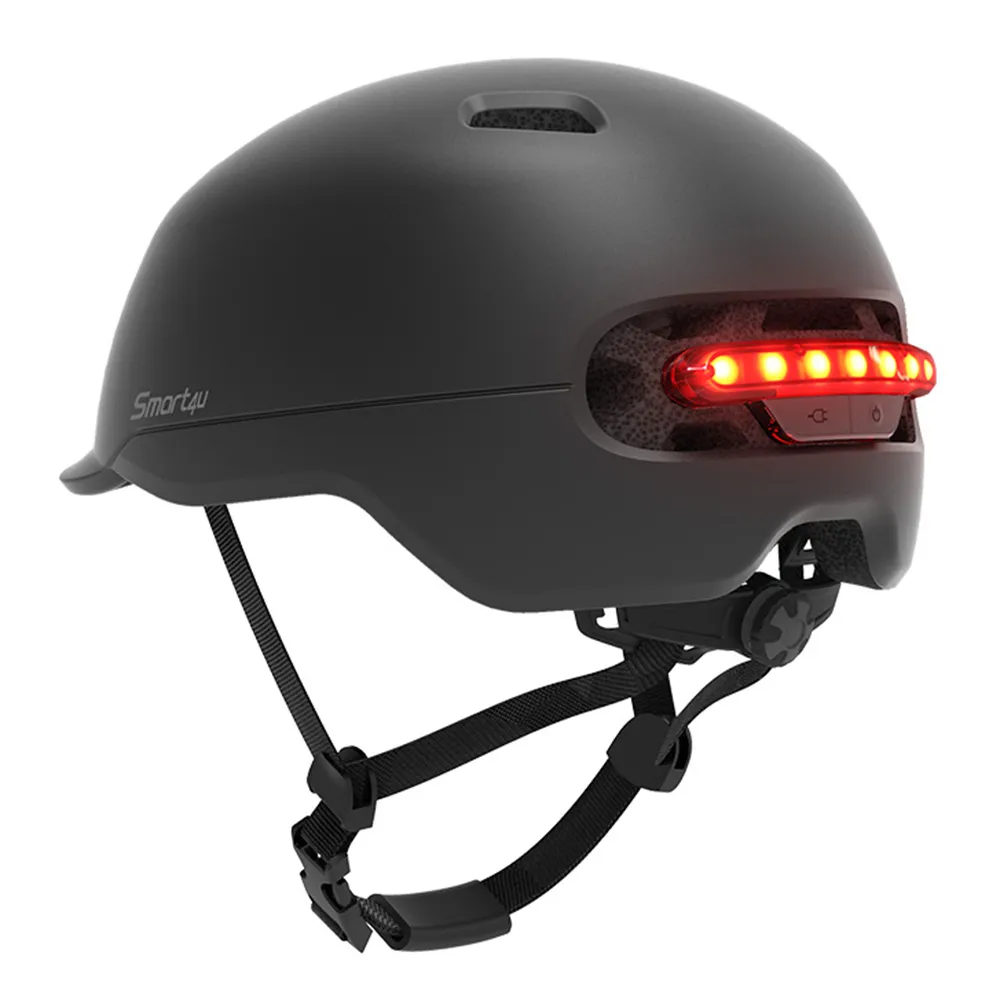
The second type of helmet is the half shell or open-face helmet. It covers only the top and sides of the head, leaving the face exposed. This type of helmet is popular among skateboarders because it is lightweight and comfortable to wear. It also allows better airflow, keeping the rider cool during hot summer days. However, the open-face helmet does not provide as much protection as its full-face counterpart, particularly against facial injuries.
The third type of helmet is the convertible helmet. It combines the features of both full-face and open-face helmets, allowing riders to switch between the two modes depending on their needs. This type of helmet is versatile and ideal for riders who want the maximum protection without compromising on comfort and visibility. However, convertible helmets tend to be more expensive than other types of helmets.
When choosing a skateboard helmet, there are several factors to consider. The first is the fit of the helmet. A helmet that is too loose or too tight can cause discomfort and compromise the safety of the rider. Therefore, it is important to measure the circumference of your head and choose a helmet size accordingly.
The second factor to consider is the material of the helmet. Most skateboarding helmets are made of polycarbonate or ABS plastic, which are durable and lightweight. However, some higher-end helmets may be made of carbon fiber or Kevlar, which offer better impact resistance and protection.
Lastly, riders should consider the ventilation system of the helmet. Skateboarding can be a sweaty and intense activity, so it is important to choose a helmet that allows proper airflow to keep the rider cool and comfortable.
Proper Fit
But, it's not enough to just wear any helmet - you need to ensure that it fits properly. A poorly fitted helmet may not provide adequate protection in the event of an accident. Therefore, it's essential to understand the importance of proper fit and how to measure for helmet size.
The Importance of Proper Fit for Helmets
Proper fit is crucial when it comes to helmets. A poorly fitting helmet may not stay on your head during an accident, or it may shift and expose vital parts of your head. This could lead to serious injury or even death. A well-fitting helmet, on the other hand, will stay in place and provide adequate protection to your head.
How to Measure for Helmet Size
To measure for helmet size, you'll need to use a tape measure. Start by measuring the circumference of your head at its widest point, which is typically just above your eyebrows and ears. Make sure the tape measure is level with the ground and that it's not too tight or too loose around your head.
Once you've measured your head's circumference, refer to the manufacturer's sizing chart to determine your helmet size. Keep in mind that different brands may have slightly different sizing charts, so make sure you check the specific brand you're interested in.
Tips for Ensuring Proper Fit
After determining your helmet size, it's important to try the helmet on before purchasing it. Here are some tips for ensuring proper fit:
1. Make sure the helmet is snug but not too tight. It should fit comfortably on your head without feeling constricting.
2. Check the helmet's padding. The padding should be evenly distributed throughout the helmet and shouldn't be too thick or too thin.
3. Adjust the chin strap. The chin strap should fit snugly under your chin and shouldn't be loose or tight.
4. Check the helmet's position. The helmet should sit level on your head and cover your forehead. It shouldn't tilt forward or backward.
Additional Features
One popular feature on skateboarding helmets is MIPS technology. MIPS stands for Multi-directional Impact Protection System and is designed to reduce rotational forces that can occur during an impact. This technology consists of a low-friction layer between the helmet and head that allows the helmet to rotate slightly upon impact, reducing the potential for brain injuries.
Another feature to consider when choosing a skateboarding helmet is ventilation. Helmets with multiple vents help to keep your head cool and comfortable during long skate sessions, preventing overheating and discomfort.
Comfort is also an important factor to consider when choosing a skateboarding helmet. Look for helmets that feature moisture-wicking padding and adjustable straps for a customized fit. Some helmets even come with removable and washable liners for easy maintenance and added comfort.
When deciding on additional features for your skateboarding helmet, it's important to consider your specific needs and preferences. If you tend to skate in hot weather or for long periods of time, ventilation may be a top priority. If you're concerned about brain injuries, MIPS technology may be the way to go. And if you prioritize comfort above all else, look for helmets with customizable padding and straps.
In conclusion, investing in a high-quality skateboarding helmet is essential for staying safe while hitting the ramps and streets. With so many additional features available on today's helmets, there's no reason not to choose one that fits your needs and priorities. From MIPS technology to ventilation and customizable padding, there are options available for every type of skater. Consider your personal preferences and needs when choosing a helmet, and always prioritize safety above all else.
FAQ
Q1. What should I consider when choosing a skateboarding helmet?
When choosing a skateboarding helmet, it's important to consider safety, comfort, and style. Look for helmets that meet safety standards such as ASTM or CPSC certification, have proper ventilation for breathability, and fit snugly without causing discomfort. Additionally, choose a style that fits your personal preference and matches your skateboarding needs.
Q2. How do I ensure the proper fit of a skateboarding helmet?
To ensure a proper fit for your skateboarding helmet, measure your head circumference and choose a helmet size according to the manufacturer's sizing chart. The helmet should fit snugly on your head without any gaps between the helmet and your head. Moreover, adjust the straps and chin-strap to secure the helmet in place and prevent it from moving around during activities.
Q3. What are the common types of skateboarding helmets available in the market?
There are three types of skateboarding helmets available in the market, namely half-shell, full-face, and convertible helmets. Half-shell helmets offer protection for the top of the head and sides, while full-face helmets provide additional protection for the jaw and chin areas. Convertible helmets have removable chin guards that allow you to switch between half-shell and full-face modes depending on your preference.
Q4. How often should I replace my skateboarding helmet?
Skateboarding helmets should be replaced every two to five years, depending on usage and wear and tear. Signs that indicate the need for replacement include cracks, dents, or any damage to the helmet's exterior. Additionally, if you've had an impact or fall while wearing the helmet, it should be immediately replaced, even if there are no visible signs of damage.
Buy Now
See More: Wholesale Products
Recommended related content
Revolutionize Your Airflow: How to Choose the Best Stand Fan for Your Needs
How to choose the perfect hanging tree lights for your backyard
How to Choose the Perfect Rechargeable LED Light for Camping
What are the best wedding gifts for guests?
How to choose the perfect Apple Watch band for your lifestyle
