
Comfortable Seats for Bicycles: A Guide to Choosing the Right One
Upload time :December 8, 2023
Shares
Reads
Choosing the right bike seat is crucial to a comfortable and enjoyable ride, especially for different cycling styles. When selecting a seat, consider your riding style, as factors such as the type of terrain and distance can affect your comfort. Seat width and shape are also essential factors that can greatly impact your comfort. Various materials are used in bike seats, each with its benefits and drawbacks, so it’s important to choose a material suited to your riding environment and conditions. Comfort features such as padding, ventilation, and cutouts, along with adjustability options, are also important considerations when selecting a bike seat. Ultimately, choosing the right seat can make all the difference in your cycling experience.
Know Your Riding Style
Firstly, it's important to understand that different cycling styles require different types of seats. For example, road cyclists tend to prefer narrow, lightweight seats with minimal padding for maximum efficiency and speed. On the other hand, mountain bikers may opt for wider, more cushioned seats for added comfort on rough terrain. Touring cyclists may choose a saddle with additional support and durability for long distance rides.
When choosing a seat, there are several factors to consider. The first is the shape of the seat. Seats come in a variety of shapes, each designed to fit a specific type of rider. Some seats are designed for those with narrower hips, while others are better suited for riders with wider hips. It's important to find a seat that fits your body type to ensure maximum comfort and support.
Another factor to consider is the material of the seat. Some seats are made from synthetic materials, while others are made from leather or other natural materials. Synthetic materials tend to be more durable and easier to clean, while leather seats may offer a more traditional look and feel. It's important to choose a material that suits your preferences and needs.
The padding of a seat is also an important consideration. Some seats have minimal padding for maximum efficiency and speed, while others have thicker padding for added comfort. It's important to find a balance between comfort and efficiency, as too much padding can actually hinder your performance.
Finally, it's crucial to choose a seat that suits your individual needs. This means taking into account any specific health issues or concerns you may have, such as back pain or numbness. It's best to consult with a professional if you have any concerns about finding the right seat for your needs.
Consider Seat Width and Shape
The width and shape of a seat play a significant role in determining how comfortable it is. Seats come in different widths, and choosing the right one depends on your body type. If your seat is too narrow, it can cause discomfort in the perineal area, which can lead to numbness or even pain. On the other hand, if your seat is too wide, it can cause friction between your thighs, leading to chafing or soreness.
The shape of a seat also affects comfort. The curvature of the seat should match your pelvis shape. If the seat is too flat, it will not provide enough support, and if it's too curved, it could cause pressure points that lead to discomfort. The design of the saddle should suit the type of cycling you do. For instance, road bikes require narrower seats than mountain bikes. Additionally, the seat should provide ample support to your sit bones.
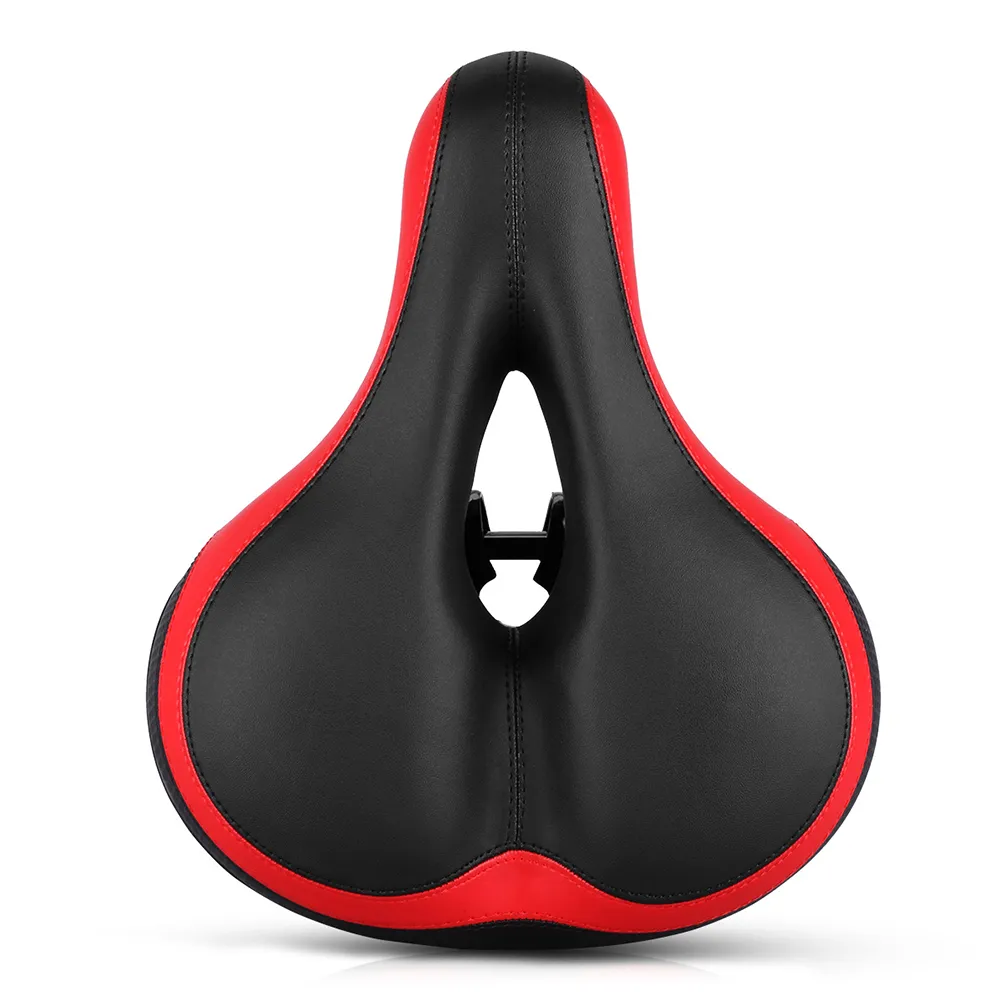
Understanding the anatomy of a seat is crucial in determining how it impacts comfort. A typical seat consists of three parts: the cover, the padding, and the shell. The cover is the outermost layer and is made of various materials, including leather and synthetic fabrics. The padding is underneath the cover, and its thickness determines how comfortable the seat is. The shell is the foundation of the seat and provides structural support.
When selecting a seat, consider the amount of padding you need. Too much padding can hinder movement and cause discomfort, while too little padding can make the ride bumpy and uncomfortable. Also, ensure that the cover material is durable and breathable. A good seat should have a firm but comfortable shell that distributes weight evenly while riding.
To determine the right size and shape of your seat, consider getting a professional bike fitting. A fitting will help determine your sit bone width, which is the distance between your two sit bones. This measurement will guide you in selecting a seat that accommodates your sit bones' spacing. Alternatively, some bike shops have a demo program where you can test several seats before purchasing one.
Material Matters
One of the most common materials used in bike seats is leather. Leather seats are known for their durability and ability to mold to the rider’s body over time. They also provide good breathability, which is important for long rides in hot weather. However, leather seats can be expensive and require regular maintenance to keep them in good condition.
Another popular material for bike seats is synthetic leather or vinyl. These types of seats are more affordable than genuine leather seats and require less maintenance. They are also waterproof, making them ideal for wet weather conditions. However, synthetic leather seats tend to wear out faster than genuine leather seats and can crack over time.
Gel bike seats are another option that many riders prefer. These seats have a gel layer that conforms to the rider’s shape, providing extra cushioning and comfort. Gel seats are especially popular with riders who spend long hours on their bikes, as they reduce pressure on key areas like the tailbone and sit bones. However, gel seats can be heavy and may not suit all riding styles.
Finally, there are bike seats made from various types of foam. Foam seats are lightweight and affordable, making them a popular choice for entry-level riders. They also come in a variety of shapes and sizes, so riders can choose the one that best fits their body type. However, foam seats may not be as durable as other materials and can compress over time, leading to a loss of support.
When choosing a bike seat material, it’s important to consider your riding environment and the type of weather you’ll be riding in. For example, if you live in a rainy climate, a waterproof vinyl seat may be a better choice than a leather seat. If you’re planning on doing long rides, a gel seat may be worth the investment for its added comfort.
Features to Look Out For
Comfort is key when it comes to bike seats. Look for options that offer padding and support, such as gel inserts or memory foam. These materials help to cushion your sit bones and reduce pressure points, making for a more comfortable ride. Ventilation is also an important consideration, especially if you live in a hot climate or plan on taking long rides. Look for perforated designs or breathable materials to keep you cool and dry.
Another comfort feature to consider is cutouts. Some saddles have a central channel or cutout that reduces pressure on sensitive areas. This can be particularly beneficial for women, who may experience discomfort or chafing due to their anatomy. Cutouts also help to prevent numbness and tingling in the legs and feet.
Adjustability is another important factor to consider when selecting a bike seat. Look for options that allow you to adjust the height, angle, and tilt of the saddle. This allows you to find the perfect position for your body, reducing strain and preventing injuries. For example, if you have lower back pain, you may want to tilt the saddle slightly forward to reduce pressure on your lumbar spine.
Other factors to consider when selecting a bike seat include weight, durability, and design. Lightweight saddles are ideal for racing or performance riding, while heavier options may be more suitable for commuting or recreational cycling. Durability is also important, especially if you plan on using your bike frequently or in harsh weather conditions. Look for materials like leather or synthetic leather that can withstand wear and tear over time.
Finally, don't forget about design. Bike seats come in a range of styles and colors, so choose one that reflects your personal taste and complements your bike's aesthetic. You may also want to consider additional features like reflective strips or built-in lights for improved visibility on the road.
In conclusion, a comfortable and supportive bike seat is essential for enjoying your cycling experience. Look for options that offer padded and ventilated designs, adjustability for height and angle, and durable construction. And don't forget to choose a design that reflects your personal style and enhances your biking experience. By keeping these features in mind, you can find the perfect bike seat to meet your needs and help you ride with confidence and comfort.
FAQ
Q1. What should I consider when choosing a comfortable seat for my bicycle?
When choosing a comfortable seat for your bicycle, there are several things to consider. Firstly, you need to think about the type of riding you will be doing and the position in which you will be sitting on your bike. Secondly, you should take into account your body shape and size to ensure that the seat provides adequate support and cushioning. Finally, it is important to consider the material of the seat and how well it will hold up to wear and tear over time.
Q2. Should I opt for a wider seat to increase comfort on longer rides?
While a wider seat may seem like a good option for increasing comfort on longer rides, it's not always the case. In fact, a seat that is too wide can actually cause more discomfort by putting pressure on sensitive areas. Instead, it's important to choose a seat that provides enough padding and support in the right areas, such as the sit bones, while allowing for proper circulation.
Q3. Can I adjust my seat position to improve comfort?
Yes, adjusting the position of your seat can often make a big difference in terms of comfort. This can include raising or lowering the height of the seat, moving it forward or backward, and adjusting the angle of the seat itself. Small adjustments can go a long way in reducing discomfort and ensuring that you're getting the most out of your ride.
Q4. What are some common materials used in bicycle seats?
Bicycle seats can be made from a variety of materials, but some of the most common include foam, gel, leather, and synthetic materials. Foam and gel seats tend to provide the most cushioning, while leather and synthetic seats offer durability and ease of maintenance. Ultimately, the best material for your seat will depend on your individual needs and preferences.
Buy Now
See More: Wholesale Products
Recommended related content
Finding the Perfect Men's Choker Necklace: A Guide to Choosing the Right Style and Material
The Ultimate Guide to Choosing the Right Storage Boxes for Your Clothes
Top 5 Drills for Glass: How to Choose the Right One for Your DIY Project
The importance of accurate oxygen measurements: A guide to choosing the right oxygen meter
A Comprehensive Guide to Choosing the Best Selfie Camera for Your Needs
