
What Are Sport Sleeves and How Do They Improve Performance?
Upload time :December 20, 2023
Shares
Reads
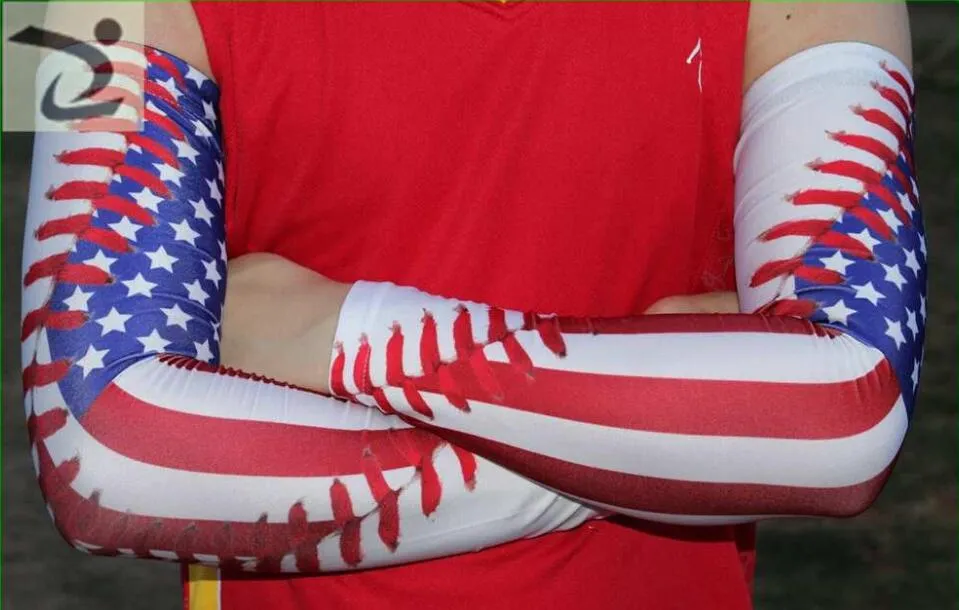
Sport sleeves are a type of compression clothing worn by athletes during training or competition to improve their performance. These sleeves are made from breathable materials that are designed to wrap around the arms, legs, or joints. The purpose of sport sleeves is to provide muscle support, reduce fatigue and soreness, and enhance circulation. By applying pressure to the muscles, sport sleeves help to increase blood flow, which can improve oxygen delivery and nutrient uptake in the body. This, in turn, can lead to faster recovery times and improved endurance. Sport sleeves also provide extra support to the muscles and joints, reducing the risk of injury during intense physical activity. Athletes across various sports, such as basketball, running, and weightlifting, have embraced sport sleeves as an effective tool for improving their performance on the field or court.
Buy Now
See More: Wholesale Products
1. Definition and purpose of sport sleeves
Sport sleeves have become increasingly popular among athletes of all levels, including professionals, amateurs, and fitness enthusiasts. The primary purpose of these sleeves is to provide support, compression, and improved circulation to the muscles.
There are many different types of sport sleeves available on the market today, each with its unique benefits and features. Some of the most common types of sport sleeves include:
1. Compression sleeves: These sleeves are designed to provide pressure and support to the muscles, increase blood flow, and accelerate recovery time.
2. Arm sleeves: These sleeves cover the forearm and upper arm and provide protection from the sun, wind, and other environmental factors. They can also help regulate body temperature during exercise.
3. Leg sleeves: Similar to arm sleeves, leg sleeves provide protection and support for the lower legs, knees, and ankles. They can also aid in muscle recovery and reduce soreness after exercise.
4. Joint support sleeves: These sleeves are designed to provide extra support and stability to joints such as the knee or elbow, reducing the risk of injury.
The benefits of wearing sport sleeves during exercise are numerous. First, the compression provided by these sleeves can help increase blood flow, which can improve oxygen delivery to the muscles and reduce fatigue. This increased circulation can also aid in the removal of lactic acid, reducing muscle soreness and improving recovery time.
Second, sport sleeves can provide support to the muscles and joints, reducing the risk of injury during exercise. This is especially important for high-impact activities such as running, jumping, and weightlifting.
Finally, sport sleeves can help regulate body temperature during exercise, keeping the athlete cool and comfortable even in hot conditions. This can improve overall performance and endurance.
It's important to note that while sport sleeves can be beneficial for athletes, they should not be used as a substitute for proper training and conditioning. Good nutrition, hydration, and rest are still essential components of any successful fitness program.
When choosing sport sleeves, it's important to consider the type of activity you'll be doing and the specific needs of your body. For example, if you're prone to knee pain during running, a knee brace or joint support sleeve may be more beneficial than a general compression sleeve.
In addition, it's important to choose sport sleeves that fit properly. A sleeve that is too tight can restrict movement and cause discomfort, while a sleeve that is too loose may not provide the necessary support and compression.
2. Improved circulation and muscle support
One of the primary ways that sport sleeves improve performance is through improved circulation. Sport sleeves are designed to compress the arm or leg, which can help to increase blood flow and oxygen delivery to the muscles. This increased blood flow can help to improve endurance and reduce fatigue, allowing athletes to perform better for longer periods.
When the muscles are working hard during exercise, they can sometimes experience a build-up of lactic acid, which can lead to muscle fatigue and soreness. Improved circulation through the use of sport sleeves can help to flush out this lactic acid more quickly, reducing the risk of post-workout soreness and helping athletes recover faster between training sessions.
Sport sleeves also provide support to the muscles, which can help to reduce the risk of injury and improve overall performance. By holding the muscles in place, sport sleeves can help to prevent unwanted movement or strains during intense activity. This added support can be particularly beneficial for individuals who are recovering from injuries or dealing with chronic pain, as it can help to alleviate discomfort and allow them to continue exercising safely.
In addition to these physical benefits, sport sleeves can also provide psychological benefits that can improve athletic performance. For many athletes, simply wearing sport sleeves can help to boost confidence and create a mental edge on the competition. This may be because the sleeves make the wearer feel more athletic or because they provide a physical reminder of the hard work and dedication required to succeed in sports and fitness.
3. Reduce fatigue and soreness
Fatigue and soreness are two of the most common issues that athletes face during and after intense physical activity. Fatigue occurs when muscles become tired and lose strength, while soreness refers to the pain and discomfort that often follows intense exercise. Both of these issues can limit an athlete's ability to perform at their best, and in some cases, may even lead to injury.
Sport sleeves offer several benefits that help to reduce both fatigue and soreness. One of the main ways that they achieve this is by providing compression to the muscles. Compression helps to increase blood flow and oxygen delivery to the muscles, which can improve endurance and delay the onset of fatigue. This increased blood flow also helps to remove metabolic waste products from the muscles, reducing feelings of soreness and stiffness.
Another way that sport sleeves reduce fatigue and soreness is by providing support to the joints. Many sport sleeves are designed to fit snugly around specific joints such as the knee or elbow, which provides additional support and stability to these areas. This support can help to reduce the risk of injury and prevent fatigue in the muscles surrounding the joint.
In addition to these benefits, sport sleeves can also help to regulate body temperature during exercise. Many sport sleeves are made from moisture-wicking materials that help to keep the skin dry and cool, even during intense physical activity. This can help to prevent overheating and reduce the likelihood of experiencing symptoms of heat exhaustion.
So how do you choose the right sport sleeves for your needs? There are several factors to consider when selecting a pair of sport sleeves, including the type of activity you will be doing, the size and fit of the sleeves, and the materials used to make them.
For activities that involve jumping or lateral movement, such as basketball or volleyball, it is important to choose sport sleeves with extra padding or protection around the knees and elbows. These areas are particularly vulnerable to impact and can benefit from the added support and cushioning provided by padded sport sleeves.
When it comes to sizing, it is essential to choose sport sleeves that fit snugly but not too tightly. Sleeves that are too tight can constrict blood flow and cause discomfort, while sleeves that are too loose may not provide enough compression to be effective. Most sport sleeve manufacturers provide sizing charts to help you find the right fit.
Finally, it is important to choose sport sleeves made from high-quality materials that are breathable, moisture-wicking, and durable. Look for sleeves made from synthetic materials like polyester and spandex, which are lightweight and flexible while still providing the necessary support and compression.
4. Enhance performance and injury prevention
What Are Sport Sleeves?
Sport sleeves are stretchy, tight-fitting garments made from materials such as nylon, spandex, or polyester. They come in different sizes, lengths, and colors and can be worn on the arms or legs. Some sport sleeves cover only a small area, while others extend all the way from the wrist to the upper arm or from the ankle to the knee.
How Do Sport Sleeves Work?
Compression garments like sport sleeves work by increasing blood flow and oxygenation to the muscles. By applying pressure to the surface of the skin, they compress the blood vessels, which encourages the blood to flow more efficiently. As a result, more oxygen and nutrients are delivered to the muscles, which can help to reduce fatigue and soreness.
Sport sleeves also provide support and stability to the joints and muscles, which can improve performance and reduce the risk of injury. They help to reduce muscle vibration, which is a common cause of fatigue and muscle damage during exercise. Additionally, sport sleeves can help to regulate body temperature by wicking away sweat and keeping the skin dry.
Benefits of Sport Sleeves for Athletes
1. Improved Performance
One of the main benefits of wearing sport sleeves during exercise is improved performance. By increasing blood flow and oxygenation to the muscles, sport sleeves can help athletes to perform at their best for longer periods of time. This can be particularly useful for endurance sports like running, cycling, and swimming.
Studies have shown that wearing sport sleeves can improve muscular endurance, strength, power, and speed. In one study, runners who wore calf compression sleeves during a 10K race reported less muscle soreness and faster recovery times than those who did not wear them.
2. Injury Prevention
Sport sleeves can also help to prevent injuries by providing support and stability to the joints and muscles. They can reduce the risk of sprains, strains, and other types of injuries by limiting excessive movement and reducing muscle vibration. This is particularly important for athletes who participate in high-impact sports like basketball, soccer, and football.
Additionally, sport sleeves can help to reduce the risk of muscle cramps and fatigue by improving circulation and reducing muscle damage. They can also help to regulate body temperature by wicking away moisture and keeping the skin dry.
3. Faster Recovery
Another benefit of sport sleeves is faster recovery after exercise. By improving circulation and reducing muscle damage, they can help athletes recover more quickly from intense workouts and training sessions. This can be particularly useful for athletes who compete frequently or have a demanding training schedule.
Studies have shown that wearing sport sleeves after exercise can reduce muscle soreness, improve muscle function, and enhance recovery times. In one study, weightlifters who wore arm compression sleeves after a workout experienced less muscle soreness and faster recovery times than those who did not wear them.
4. Style and Fashion
Finally, sport sleeves can also be a stylish addition to an athlete's wardrobe. They come in a variety of colors and designs that can match an athlete's team uniform or personal style. Many companies also offer custom options that allow athletes to personalize their sport sleeves with their name, number, or logo.
Conclusion
5. Popular among athletes in various sports
What Are Sport Sleeves?
Sport sleeves, also known as compression sleeves or arm sleeves, are garments that cover the arms, legs, or other body parts. They are made of stretchy, breathable material such as spandex or nylon and come in a variety of sizes, colors, and designs. Sport sleeves can be worn during training, competition, and recovery.
How Do Sport Sleeves Improve Performance?
Sport sleeves provide several benefits that can help athletes perform better and recover faster. Here are some ways that sport sleeves can improve performance:
1. Support
Sport sleeves offer support for the muscles and joints, which can help prevent injuries. They can also help athletes who have existing injuries by providing extra support and reducing pain.
2. Compression
Sport sleeves apply gentle pressure to the muscles, which can increase blood flow and oxygenation. This can help reduce muscle fatigue and improve endurance. Compression can also help reduce swelling and inflammation, which can speed up recovery after exercise.
3. Protection
Sport sleeves can protect the skin from sunburn, scratches, and abrasions. They can also help regulate body temperature by wicking away sweat and keeping the skin dry.
4. Style
Sport sleeves come in a variety of colors and designs, which can add a touch of style to an athlete's performance attire. Many athletes wear sport sleeves as a way to express their personality and show off their team colors.
5. Psychological Benefits
Finally, sport sleeves can provide psychological benefits by boosting an athlete's confidence and sense of comfort. Wearing a favorite pair of sport sleeves can make an athlete feel more prepared and focused for competition.
Popular Among Athletes in Various Sports
Sport sleeves are popular among athletes in many different sports, including:
1. Running
Runners often wear calf sleeves or compression socks to improve circulation and reduce muscle fatigue. Arm sleeves can also be worn to protect the skin from the sun and regulate body temperature.
2. Basketball
Basketball players wear arm sleeves to provide support and compression for the shooting arm. Some players believe that arm sleeves can improve their shooting accuracy by providing a consistent release point.
3. Football
Football players wear arm sleeves to protect the arms from scratches and bruises. They can also provide compression and support for the elbow and forearm.
4. Tennis
Tennis players wear arm sleeves to protect the skin from sunburn and regulate body temperature. Some players also wear compression sleeves to reduce muscle fatigue in the forearm.
5. Cycling
Cyclists wear leg sleeves to provide compression for the quadriceps and hamstrings. This can improve blood flow and reduce muscle fatigue during long rides.
Conclusion
Sport sleeves are a versatile and effective tool for improving athletic performance. They provide support, compression, and protection for the muscles and joints, and can also boost an athlete's confidence and comfort level. Whether you're a runner, basketball player, football player, tennis player, or cyclist, there's a sport sleeve out there that can help you perform at your best.
Recommended related content
What are Pumpkin Flowers and How to Use Them in Cooking?
What are felt flowers and how can you make them at home?
What is a Bubbler Oil Burner and How Does It Work?
