
5 Reasons Why Proper Bike Brake Maintenance is Critical for Your Safety
Upload time :November 20, 2023
Shares
Reads
Proper bike brake maintenance is crucial for preventing accidents and injuries, increasing overall braking performance, extending a bike's lifespan, and saving money. Neglected brakes can result in brake failure while riding, leading to potentially life-threatening situations. Regular brake maintenance ensures optimal braking performance, which provides peace of mind for riders and reduces the risk of accidents. Maintaining proper brake condition also extends the longevity of a bike and prevents damage to other components. Additionally, regular maintenance saves money in the long run by avoiding costly repairs that could have been easily prevented with proper brake maintenance. By following a few simple tips, bike brakes can be kept in optimal condition, resulting in safer rides and a longer-lasting bike.
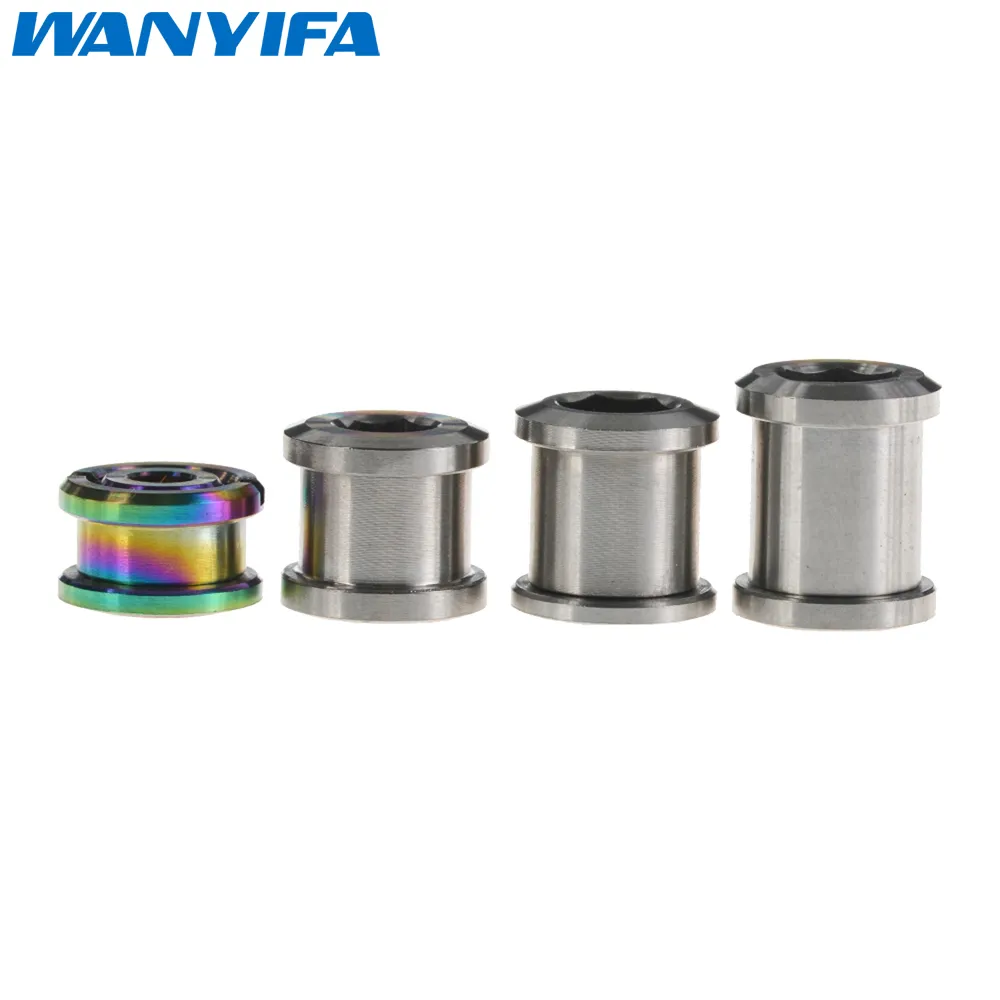
Buy Now
See More: Wholesale Products
Prevent Accidents
Proper brake maintenance plays a vital role in ensuring safety while riding. Suppose the brakes are not functioning correctly or fail to work altogether. In that case, it can lead to catastrophic consequences such as accidents, injuries, and even death. Therefore, it is essential to check and maintain your bike's brakes regularly.
One of the most common causes of brake failure is worn-out brake pads. A brake pad's function is to create friction against the bike's wheel, ultimately stopping it. Over time, this friction wears down the pad, reducing its ability to stop the bike. As a result, it is essential to replace worn-down brake pads immediately before they cause any damage.
Another reason why brake maintenance is necessary is because, over time, the brake cables can stretch and become loose. Loose brake cables reduce the brakes' effectiveness, making it challenging to slow down or stop the bike. Regular cable adjustments are necessary to maintain the optimal tension required to operate the brakes effectively.
Brake maintenance also involves keeping the braking system clean and free from debris. If dirt, mud, or other foreign objects accumulate on the braking system, it will affect the brake's efficiency. The brake pad's ability to grip the wheel will be compromised, leading to reduced stopping power.
Increase Brake Performance
Benefits of Regular Brake Maintenance:
1. Increased Braking Performance: Regular brake maintenance ensures that your bike brakes function smoothly and effectively, providing you with better braking performance. Properly adjusted and well-maintained brakes give you more control over your bike while riding, especially in situations where quick stops are required.
2. Longer Lifespan: Regular brake maintenance also extends the lifespan of your bike brakes. It helps prevent wear and tear, ensuring that your brakes last longer. This saves you money in the long run, as you won't need to replace your brakes as frequently.
3. Improved Safety: Keeping your bike brakes in good shape increases overall safety while cycling. Well-maintained brakes allow you to stop quickly and safely in emergency situations, preventing potential accidents.
Tips for Maintaining Optimal Brake Condition:
1. Keep Your Brakes Clean: Dirt, grime, and dust can accumulate on your bike brakes, causing them to malfunction. To keep your brakes clean, use a soft-bristled brush or cloth to remove any debris from your brakes. This helps prevent unwanted friction between brake parts and ensures that your brakes operate smoothly.
2. Check the Brake Pads Regularly: Brake pads should be inspected regularly for wear and tear. Worn-out brake pads reduce braking performance and increase the risk of an accident. Replace brake pads every 12-18 months or after 4,000-5,000 miles of riding.
3. Adjust Brake Tension: Brake tension controls the amount of force needed to apply the brakes. It is important to adjust the tension regularly to ensure that the brakes work properly. If the brake lever feels too loose, adjust the tension to tighten the brake cable.
4. Lubricate Brake Components: Lubricating brake components helps reduce friction between brake parts and improves overall braking performance. Use a light lubricant like WD-40 to lubricate brake levers, cables, and pivots.
Extend Bike Lifespan
Brakes are essential for controlling your speed, avoiding hazards, and stopping the bike altogether. As such, they undergo significant wear and tear over time, especially if you frequently ride on hilly or rough terrain. Regular inspections and maintenance of your brakes will help you avoid costly repairs and replacements, and extend the life of your bike.
There are several things you can do to keep your brakes in top condition. First and foremost, ensure that your brake pads have enough material left on them. Worn out brake pads won't provide sufficient grip, and will cause more friction on the rims, leading to faster wear and tear. When you notice that the brake pads have worn down to a thickness of 1-2 millimeters, it's time to replace them.
You should also check the alignment of your brake pads regularly. Misaligned pads can cause uneven wear, reduced stopping power, and damage to the rims. Adjusting the pads is easy and can be done without any special tools.
Another important aspect of brake maintenance is keeping them clean. Dirty brakes won't work as effectively as clean ones, and can even corrode over time. You can use a soft brush and some mild soap to gently clean the pads and rims, being careful not to touch the braking surface with your fingers.
Neglected brakes can also cause damage to other parts of your bike. For example, if your brake pads are completely worn out, they can rub against the rims and cause excessive heat, which can warp the rims or damage the spokes. In addition, poorly aligned brakes can put stress on the frame and fork, leading to cracks or other structural damage.
Save on Costs
One way that regular brake maintenance can save riders money is by preventing wear and tear on brake components. Over time, brake pads and rotors can become worn down from use, which can lead to decreased stopping power and potential safety hazards. By regularly inspecting and replacing worn brake components, riders can avoid more costly repairs that result from neglecting their brake systems.
Another benefit of regular brake maintenance is the prevention of brake fluid contamination. As brake fluid ages, it can attract moisture and other contaminants that can compromise its performance. This can lead to corrosion and damage to brake components, resulting in expensive repairs. By changing brake fluid according to manufacturer recommendations and monitoring its quality, riders can prevent these issues from occurring.
In addition to preventing wear and tear and fluid contamination, regular brake maintenance can also help riders identify potential issues before they become serious problems. For example, during routine inspections, mechanics may notice signs of uneven wear or damage to brake components, indicating that adjustments or replacements are necessary. Catching these issues early on can prevent more significant damage to the brake system and minimize repair costs.
On the other hand, failing to maintain bike brakes can result in costly repairs and replacements. For example, neglecting to replace worn brake pads can lead to damage to the brake rotor, resulting in the need for both pad and rotor replacement. Similarly, allowing brake fluid to become contaminated can cause corrosion and damage to brake lines, calipers, and other components, requiring expensive repairs.
In conclusion, regular bike brake maintenance is crucial for saving money in the long run. By preventing wear and tear, fluid contamination, and identifying potential issues early on, riders can avoid costly repairs and replacements. It is essential to follow manufacturer recommendations for brake maintenance and to address any concerns promptly to ensure the safety and longevity of the brake system. Investing in regular brake maintenance is not only a cost-saving measure but also a critical step in ensuring the overall safety and reliability of your bike.
FAQ
Q1. What are some common signs that my bike brakes need maintenance?
Answer: Some common signs of brake issues include squealing or grinding noises when braking, the brakes feeling soft or spongy, and the bike not coming to a complete stop. If you notice any of these symptoms, it's important to have your brakes checked by a professional.
Q2. How often should I have my bike brakes serviced?
Answer: The frequency of brake maintenance will depend on several factors, including how often you ride and the conditions in which you ride. As a general rule, it's recommended to have your brakes checked at least once a year, or more frequently if you ride regularly in wet or muddy conditions.
Q3. Can I perform bike brake maintenance myself, or should I take it to a professional?
Answer: While there are some basic brake maintenance tasks that can be performed by the average rider, such as cleaning the brake pads and adjusting the cable tension, more complex tasks such as bleeding hydraulic brakes should be left to a professional. Attempting to perform these tasks yourself could result in further damage or even injury.
Q4. What are the consequences of neglecting bike brake maintenance?
Answer: Neglecting brake maintenance can have serious consequences for both the rider and other road users. Poorly maintained brakes can lead to reduced stopping power, longer stopping distances, and even brake failure. This can result in accidents or collisions, which could cause injury or even death. Regular brake maintenance is critical for ensuring the safety of both yourself and others on the road.
Recommended related content
10 Reasons Why Backless Bras Are a Must-Have for Your Wardrobe
5 Reasons Why Crop Tee Shirts Are a Must-Have Item in Your Wardrobe
5 Reasons Why Lazer Lights Are the Perfect Addition to Your Home
5 Reasons Why You Need an Africa Shirt in Your Wardrobe
5 Reasons Why Dog Crates are Essential for Your Pet's Safety
