
What are Sport Sleeves and How Do They Benefit Athletes?
Upload time :August 30, 2023
Shares
Reads
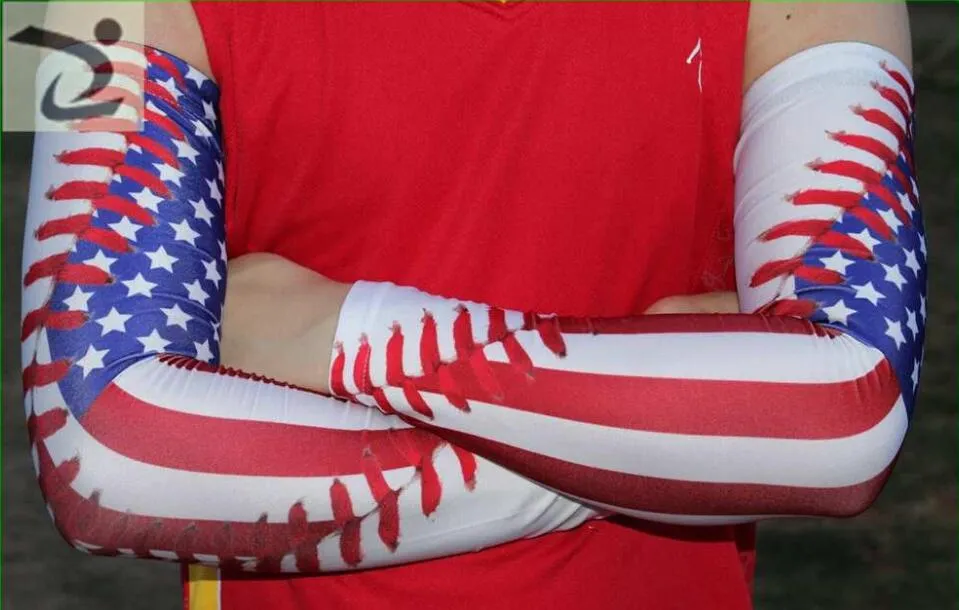
Sport sleeves are a popular accessory among athletes that serve multiple purposes in enhancing their performance and recovery. In simple terms, sport sleeves are skin-tight sleeves made from stretchable fabric that cover either the arms or legs. These sleeves are designed to provide compression and support to muscles during physical activity and can be worn during training, competition, or post-workout recovery.
 Buy NowSee More: Wholesale Products
The benefits of sport sleeves for athletes include improved blood flow, reduced muscle soreness and fatigue, and increased joint stability. The compression provided by the sleeves also helps prevent injuries such as strains and sprains. By improving circulation, sport sleeves help increase oxygen availability to the muscles, which can improve endurance and overall performance. Additionally, these sleeves can aid in post-workout recovery by reducing inflammation and promoting muscle repair.
Overall, sport sleeves serve as a practical solution for athletes looking to boost their performance and reduce their risk of injury. With their many benefits, it's no surprise that they have become a staple piece of athletic wear for both amateurs and professionals alike.
1. Definition of Sport Sleeves
Sport sleeves are not just a fashion statement; they offer many benefits to athletes. In this article, we will explore the definition of sport sleeves and discuss how they benefit athletes.
1. Definition of Sport Sleeves
Sport sleeves are compression garments that are worn on the arms or legs during physical activity. They are designed to compress the muscles, decrease muscle oscillation, and increase blood flow, which can help improve performance and reduce the risk of injury.
Compression garments like sport sleeves have been used for centuries to treat medical conditions such as edema, lymphedema, and deep vein thrombosis. However, in recent years, sports scientists have discovered that compression garments can also benefit athletes.
2. Benefits of Sport Sleeves
The benefits of sport sleeves are numerous, ranging from improved performance to reduced soreness and faster recovery times. Some of the key benefits of sport sleeves include:
- Increased Blood Flow: When you wear sport sleeves, the compression helps to increase blood flow to the muscles. This increased blood flow delivers more oxygen and nutrients to the muscles, which can improve performance and speed up recovery times.
- Reduced Fatigue: Compression garments like sport sleeves can also help to reduce fatigue by stabilizing the muscles and reducing muscle oscillation. This stabilization can help athletes maintain their form and technique throughout their workout or game, leading to less energy wasted and better overall performance.
- Improved Recovery: After a tough workout or game, wearing sport sleeves can help to reduce soreness and speed up recovery times. The compression helps to flush out lactic acid and other metabolic waste products from the muscles, which can lead to less stiffness and soreness the next day.
- Reduced Risk of Injury: Wearing sport sleeves can also help to reduce the risk of injury. The compression provides support to the joints, which can help to reduce the risk of sprains and strains. Additionally, the increased blood flow can help to prevent cramping and fatigue, which can also contribute to injuries.
3. Types of Sport Sleeves
There are several different types of sport sleeves available on the market today. Some of the most popular types include:
- Arm Sleeves: Arm sleeves are designed to cover the entire arm from the wrist to the bicep. They are commonly worn by runners and cyclists but can be used for any sport that requires arm movement.
- Leg Sleeves: Leg sleeves are designed to cover the entire leg from the ankle to the thigh. They are commonly worn by basketball players, soccer players, and runners but can be used for any sport that requires leg movement.
- Calf Sleeves: Calf sleeves are designed to cover only the calf muscle. They are commonly worn by runners, soccer players, and basketball players.
- Elbow Sleeves: Elbow sleeves are designed to cover only the elbow joint. They are commonly worn by weightlifters and tennis players.
4. How to Choose Sport Sleeves
When choosing sport sleeves, it is important to consider the following factors:
- Size: Sport sleeves should fit snugly but not be too tight. Make sure to check the size chart before purchasing to ensure a good fit.
- Material: Look for sport sleeves made from breathable, moisture-wicking materials like nylon, polyester, or spandex.
- Purpose: Consider the purpose of the sleeves. If you are looking for increased blood flow, choose a sleeve with higher compression. If you are looking for support or stabilization, choose a sleeve with lower compression.
- Brand: Look for reputable brands that have been tested and proven to work effectively.
2. Benefits for Athletes
Here are some of the benefits of using sport sleeves while doing physical activity:
1. Improves circulation
Sport sleeves are designed to improve blood flow to the muscles, which provides more oxygen and nutrients to the working muscles. This improved circulation helps to reduce fatigue and soreness, allowing athletes to train harder and for longer periods. Compression sleeves help to increase venous return, which is the flow of blood from the veins back to the heart. This improves circulation and reduces swelling in the legs, making sport sleeves an excellent choice for endurance athletes.
2. Reduces soreness
One of the primary benefits of sport sleeves is that they help to reduce muscle soreness after exercise. Soreness is caused by the build-up of lactic acid in the muscles, which causes pain and discomfort. Compression sleeves help to flush out this lactic acid, which reduces soreness and promotes faster recovery. Wearing sport sleeves during exercise can also reduce the risk of muscle strains and injuries.
3. Provides support
Sport sleeves provide additional support to key muscle groups, which helps to reduce the risk of injury and improves overall performance. For example, runners wearing knee sleeves can benefit from increased stability and reduced knee pain. Similarly, elbow sleeves can provide support and protection to the elbows while weightlifting. Sport sleeves can also be used to support the ankle, calf, and thigh muscles.
4. Offers protection from the sun
Many sport sleeves are designed with UPF protection, which protects the skin from harmful UV rays. This makes them an excellent choice for outdoor sports such as running, cycling, and hiking. The sleeves cover the skin on the arms, reducing the likelihood of sunburn and skin damage.
5. Enhances performance
Sport sleeves can help to enhance performance by providing support and compression to the muscles. This improves proprioception, which is the sense of where the body is in space. Improved proprioception allows athletes to better control their movements, leading to improved performance. Compression sleeves also help to reduce muscle vibration, which can lead to increased power output and improved endurance.
6. Aids in recovery
Wearing sport sleeves post-workout can help with recovery by increasing blood flow to the muscles. This improved circulation helps to remove waste products, such as lactic acid, from the muscles. It also helps to provide more oxygen and nutrients to the muscles, promoting faster recovery.
7. Provides warmth
Sport sleeves can also provide warmth to the muscles, which can be beneficial during cold weather workouts. Increased warmth helps to improve blood flow to the muscles, reducing the risk of injury and improving performance.
Conclusion
3. Improved Performance and Recovery
Improved Performance
One of the primary benefits of sport sleeves is their ability to improve an athlete's performance. Compression sleeves work by compressing the muscles in the arm or leg, which can help to improve circulation. By improving circulation, the body is able to deliver more oxygen and nutrients to the muscles, which can help to improve endurance and reduce fatigue.
In addition to improving circulation, sport sleeves can also help to reduce muscle vibration during exercise. When muscles vibrate excessively during exercise, it can lead to fatigue and decreased performance. By reducing muscle vibration, sport sleeves can help to improve an athlete's performance and endurance.
Another way that sport sleeves can improve performance is by providing support to the muscles and joints. This support can help to reduce the risk of injury and improve stability during exercise. Sport sleeves can also help to prevent muscle damage by reducing the amount of stress placed on the muscles during exercise.
Improved Recovery
Sport sleeves can also provide significant benefits when it comes to recovery after exercise. By compressing the muscles, sport sleeves can help to reduce inflammation and swelling, which can speed up the recovery process. The increased circulation provided by sport sleeves can also help to remove waste products from the muscles, which can further aid in recovery.
In addition, sport sleeves can help to reduce muscle soreness and fatigue after exercise. Sore muscles are a common side effect of exercise, but sport sleeves can help to reduce this soreness by improving circulation and reducing muscle vibration.
Sport sleeves can also be beneficial for athletes who are recovering from injuries. By providing support to the injured area, sport sleeves can help to reduce pain and promote healing. They can also help to prevent reinjury by providing additional support and stability to the affected area.
Choosing the Right Sport Sleeve
When choosing a sport sleeve, there are a few key factors to consider. First, it is important to choose a sleeve that fits properly. A sleeve that is too loose or too tight can be uncomfortable and may not provide the intended benefits.
It is also important to consider the material of the sleeve. Many sport sleeves are made from materials such as spandex or nylon, which provide a high level of compression and support. However, some athletes may prefer sleeves made from natural materials such as cotton or bamboo, which can be more breathable and comfortable.
Finally, it is important to choose a sport sleeve that is appropriate for the activity being performed. For example, athletes who are running or cycling may prefer sleeves that cover the entire leg, while those who are playing basketball or volleyball may prefer sleeves that only cover the lower leg.
Conclusion
4. Injury Prevention
But what are sport sleeves exactly, and how do they benefit athletes? In this article, we’ll explore the key benefits of sport sleeves, with a particular focus on injury prevention.
What are Sport Sleeves?
Sport sleeves are typically made from a blend of nylon and spandex, and are designed to provide compression to the area they cover. This compression can help improve blood flow and oxygen delivery to the muscles, reducing muscle fatigue and aiding in recovery after exercise.
Sport sleeves come in a variety of styles and designs, including full-length sleeves for the arms or legs, sleeves that only cover the lower leg, and even compression shirts that cover the entire upper body. Some sport sleeves also feature additional support or padding to protect the joints during high-impact activities.
The Benefits of Sport Sleeves for Athletes
1. Improved Muscular Endurance
One of the primary benefits of sport sleeves is their ability to improve muscular endurance. The compression provided by the sleeve helps reduce muscle vibration during exercise, which can lead to reduced muscle fatigue and improved performance.
For example, a study published in the Journal of Strength and Conditioning Research found that wearing compression sleeves during a squatting exercise led to improved muscle endurance compared to those who did not wear sleeves.
2. Reduced Muscle Soreness
Another important benefit of sport sleeves is their ability to alleviate muscle soreness after exercise. Compression garments have been shown to reduce swelling and inflammation in the muscles, reducing the severity of muscle soreness and aiding in recovery after exercise.
A study published in the International Journal of Sports Medicine found that wearing compression garments post-exercise led to a reduction in delayed onset muscle soreness (DOMS) and improved muscle recovery compared to those who did not wear the garments.
3. Improved Blood Circulation
Sport sleeves can also help improve blood circulation, which is important for delivering oxygen and nutrients to the muscles during exercise. The compression provided by the sleeves helps improve venous return, allowing the blood to more easily return to the heart and lungs for reoxygenation.
Improved blood circulation can also help remove waste products such as lactic acid from the muscles, reducing fatigue and improving overall performance.
4. Injury Prevention
Perhaps the most important benefit of sport sleeves for athletes is their ability to prevent injuries. Compression garments can provide additional support to the joints and muscles during high-impact activities, reducing the risk of injury and helping to speed up recovery if an injury does occur.
For example, a study published in the Journal of Orthopaedic and Sports Physical Therapy found that wearing compression shorts during a jump landing task led to reduced hip adduction (inward movement of the thigh) and increased hip abduction strength, reducing the risk of knee injury.
Conclusion
Sport sleeves are a versatile and effective tool for athletes of all levels. With their ability to improve muscular endurance, reduce muscle soreness, improve blood circulation, and prevent injuries, it’s no wonder they have become a popular choice for athletes around the world.
5. Compression and Support
One of the primary benefits of sport sleeves is that they provide compression and support to the muscles and joints. Compression works by squeezing the muscles and increasing blood flow, which can help reduce inflammation and swelling. This can be particularly beneficial for athletes who are recovering from an injury or experiencing muscle soreness.
In addition to reducing inflammation, compression can also help improve performance by increasing oxygen delivery to the muscles. This allows the muscles to work more efficiently, which can lead to better endurance and faster recovery times.
Sport sleeves also provide support to the muscles and joints, which can help prevent injuries. The added support can help stabilize the joints and reduce the risk of strains and sprains. This is especially important for athletes who engage in high-impact sports, such as running and jumping.
Another benefit of sport sleeves is that they can help regulate body temperature. Many sport sleeves are designed with moisture-wicking technology, which helps to keep the skin dry and comfortable. This can be particularly beneficial for athletes who engage in intense workouts or play in hot and humid conditions.
Sport sleeves are also available in a variety of designs and colors, which can add an extra level of style to an athlete's outfit. Some sleeves even feature built-in UV protection, which can help protect the skin from harmful sun rays during outdoor activities.
When choosing a sport sleeve, it's important to consider the type of activity you'll be engaging in and the specific area of the body you want to target. For example, if you're a runner, you may want to choose a sleeve that provides extra support to the knees or calves. If you're a basketball player, you may want to choose a sleeve that provides extra protection to the elbows.
Overall, sport sleeves can be a valuable addition to an athlete's gear collection. By providing compression, support, and regulation of body temperature, these sleeves can help enhance performance and prevent injury. Whether you're a professional athlete or just looking to stay active, adding a sport sleeve to your workout routine can be a simple and effective way to take your game to the next level.
