
How to Choose the Right Facial Sponge for Your Skin Type
Upload time :December 18, 2023
Shares
Reads
Understanding Your Skin Type is crucial to determine what kind of facial sponge to choose. The article provides an overview of the different skin types - oily, dry, sensitive, combination - and their characteristics. Types of Facial Sponges available in the market are discussed in detail. Materials used to make them - konjac, cellulose, synthetic - their shapes, and benefits are highlighted. Konjac sponges are gentle exfoliators and great for different skin types. Cellulose sponges are biodegradable and eco-friendly, while synthetic sponges are affordable and widely available. Each section provides information on how to use them, how often to use them, and their maintenance. The article is catered to facial sponge consumers, providing them with the necessary knowledge to make informed decisions about which sponge is best for their skin type.
Understanding Your Skin Type
Taking care of your skin is essential to maintain a healthy and radiant complexion. However, with so many skincare products and tools available in the market, it can be overwhelming to know what works best for you. One crucial aspect of skincare that often gets overlooked is knowing your skin type.
Knowing your skin type is crucial as it helps you choose the right products and tools that will work best for your skin's needs. This is especially important when it comes to choosing a facial sponge. In this article, we will discuss the different skin types and their characteristics to help you determine which facial sponge is perfect for you.
Oily Skin:
People with oily skin have excess sebum production, which leads to shiny and greasy skin. They are also prone to breakouts and clogged pores. For people with oily skin, a Konjac sponge infused with charcoal is an excellent option. Charcoal has absorbent properties that remove excess oil and impurities from the skin, leaving it refreshed and mattified.
Dry Skin:
Dry skin lacks moisture and often feels tight and flaky. People with dry skin need a gentle exfoliating sponge that does not strip away natural oils. A Konjac sponge infused with green tea or chamomile is ideal for dry skin as they have hydrating and soothing properties to keep the skin soft and supple.
Combination Skin:
Combination skin is a mix of both oily and dry skin. The T-zone area (forehead, nose, and chin) is usually oily, while the cheeks are dry. For combination skin, a dual-sided sponge is perfect as it has one side for gentle exfoliation and the other for cleansing. A Konjac sponge infused with pink clay is excellent for combination skin as it balances oil production and gently removes dead skin cells.
Sensitive Skin:
Sensitive skin is delicate and easily irritated by harsh ingredients and abrasive tools. People with sensitive skin need a gentle sponge that will not cause redness or inflammation. A pure Konjac sponge without any added ingredients is perfect for sensitive skin. It is gentle, fragrance-free, and hypoallergenic, making it safe for even the most sensitive skin types.
Types of Facial Sponges
The most common types of facial sponges are made from konjac, cellulose, or synthetic materials. Konjac sponges, in particular, have gained popularity due to their natural and sustainable properties. These sponges are made from the konjac plant root, which is native to Asia and is known for its ability to deeply cleanse and detoxify the skin.
Cellulose sponges, on the other hand, are made from wood pulp and are an excellent choice for those with sensitive skin. They are soft, gentle, and absorbent, making them perfect for removing makeup and impurities without irritating the skin.
Synthetic sponges, such as those made from foam or nylon, are often the cheapest option available. While they may seem like a good deal, they are not as effective as natural sponges and can actually be harmful to the skin if used too frequently.
In terms of shape, facial sponges come in a variety of sizes and textures. Some are round or oval-shaped, while others are rectangular or square. Some sponges also feature texture variations, such as ridges or bumps, that help to exfoliate the skin and promote circulation.
Overall, the type of facial sponge you choose will depend on your individual skin type and concerns. For example, konjac sponges are ideal for oily or acne-prone skin, while cellulose sponges are better suited for dry or sensitive skin. Synthetic sponges, while less effective than natural options, may be a good choice for those on a budget or who need a quick fix.
Regardless of the type of facial sponge you choose, it’s important to use it correctly to avoid irritation or damage to the skin. Always wet the sponge thoroughly before use, and gently massage it over the face in circular motions. Rinse the sponge well after use and allow it to air dry completely before storing it in a clean, dry place.
Konjac Sponges
Facial sponges have become increasingly popular over the years, and one type that has gained a lot of attention is the konjac sponge. Made from the root of the konjac plant, these sponges are known for their gentle exfoliating properties that leave the skin feeling soft, smooth, and refreshed. In this article, we will discuss the benefits of using konjac sponges for different skin types, provide information on how to use them, how often to use them, and their maintenance.
Benefits of Using Konjac Sponges
Konjac sponges are highly effective at removing dirt, oil, and dead skin cells from the face without irritating or damaging the skin. They are especially beneficial for those with sensitive skin as they are gentle enough to use daily without causing any irritation or redness. The sponges work by gently buffing away the top layer of dead skin cells, revealing a brighter, fresher complexion. This also helps to unclog pores, prevent breakouts, and reduce the appearance of fine lines and wrinkles.
For those with oily or acne-prone skin, konjac sponges can be particularly useful as they help to regulate sebum production and maintain a healthy balance of bacteria on the skin's surface. They can also help to reduce inflammation and redness associated with acne.
How to Use Konjac Sponges
Using a konjac sponge is easy and requires only a few simple steps. First, wet the sponge with warm water until it becomes soft and squishy. Then, apply a small amount of your favorite facial cleanser to the sponge and gently massage it into your skin in circular motions. Rinse your face with warm water and pat dry with a clean towel.
It is important not to use the sponge too aggressively, as this can cause skin irritation and damage. Instead, let the sponge do the work, applying gentle pressure in upward and outward motions. When finished, rinse the sponge thoroughly with warm water and hang it up to dry in a well-ventilated area.
How Often to Use Konjac Sponges
The frequency with which you should use a konjac sponge depends on your skin type and individual needs. For those with sensitive skin, it is recommended to use the sponge once every two to three days. Those with oily or acne-prone skin may benefit from using the sponge daily to help regulate sebum production and prevent breakouts.
It is also important to replace your konjac sponge regularly to ensure optimal performance and hygiene. Most sponges last between four to six weeks, depending on usage and maintenance.
Maintenance of Konjac Sponges
To prolong the life of your konjac sponge, it is essential to take proper care of it. After each use, rinse the sponge thoroughly with warm water and hang it up to dry in a well-ventilated area. It is also recommended to sanitize the sponge every week by soaking it in boiling water for a few minutes.
In addition to regular cleaning, it is important to replace your konjac sponge regularly to avoid bacteria buildup and ensure optimal performance. Most sponges last between four to six weeks, depending on usage and maintenance.
Cellulose Sponges
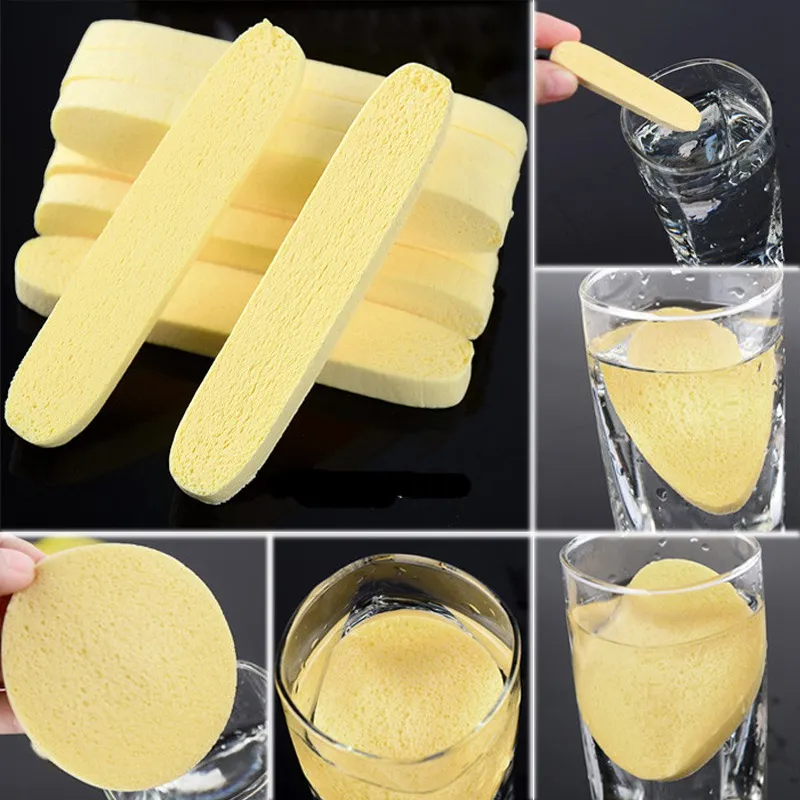
If you are someone who cares about the environment and is looking for an eco-friendly alternative to conventional facial sponges, then cellulose sponges are the perfect option for you. Made from plant-based materials like wood pulp or cotton, these sponges are not only biodegradable but also gentle on your skin.
Cellulose sponges have a unique texture that helps in gently exfoliating the skin and removing impurities. They are suitable for all skin types, including sensitive skin, as they do not contain any harsh chemicals or synthetic materials that can cause irritation or dryness. Plus, their absorbent nature makes them ideal for cleansing and removing makeup.
Using cellulose sponges is pretty straightforward. All you need to do is wet the sponge with warm water and add a small amount of your favorite cleanser. Gently massage your face with the sponge in circular motions, focusing on areas that require extra attention. Once you are done, rinse your face with cool water, pat dry, and apply moisturizer.
While using a cellulose sponge, it is essential to keep in mind how often you should use it. Depending on your skin type, you can use it once or twice a week. Overuse of exfoliants can lead to skin irritation and damage, so it is crucial to be mindful of your skin's needs.
Another important aspect of maintaining cellulose sponges is keeping them clean and hygienic. After every use, rinse the sponge thoroughly with warm water and squeeze out excess water. You can also disinfect the sponge by soaking it in a solution of warm water and vinegar for a few minutes. Allow it to dry completely before storing it in an open, airy space.
Synthetic Sponges
When it comes to skincare routines, using a facial sponge is an important step that often goes unnoticed. While natural sponges have long been used in beauty routines, synthetic sponges have gained popularity due to their affordability and wider availability. In this article, we will discuss the benefits of using synthetic sponges for different skin types, provide information on how to use them, how often to use them, and their maintenance, and include any precautions or warnings for using synthetic sponges.
Benefits of Using Synthetic Sponges
Synthetic sponges are made from materials such as polyurethane foam, which makes them more affordable than natural sponges. They are also widely available, making it easier for consumers to find them in stores or online. Additionally, synthetic sponges are less likely to harbor bacteria, making them a hygienic option for daily use.
For dry and sensitive skin, synthetic sponges offer a gentle exfoliating effect that helps remove dead skin cells without stripping away natural oils. For oily skin, synthetic sponges can help control excess oil production and reduce the appearance of pores. For combination skin, synthetic sponges can be used on both oily and dry areas of the face, providing an even skin tone.
How to Use Synthetic Sponges
To use a synthetic sponge, start by dampening the sponge with warm water. Then, apply your facial cleanser or exfoliant directly onto the sponge. Gently massage the sponge onto your face in a circular motion, making sure to avoid the eye area. Rinse your face with warm water and pat dry with a clean towel.
How Often to Use Synthetic Sponges
It is recommended to use a synthetic sponge once or twice a week, depending on your skin type and condition. Overuse of a sponge can lead to irritation or dryness, so make sure to monitor your skin's response and adjust accordingly.
Maintenance of Synthetic Sponges
To maintain the longevity of your synthetic sponge, ensure that it is rinsed thoroughly after each use and hung up to dry in a well-ventilated area. Replace your sponge every three to four months to prevent bacterial buildup.
Precautions and Warnings for Using Synthetic Sponges
While synthetic sponges are generally safe for all skin types, some precautions should be taken to avoid irritation or infection. Avoid sharing your sponge with others to prevent the spread of bacteria. If you notice any redness, swelling or irritation after using a synthetic sponge, discontinue use and consult a dermatologist.
Conclusion
In conclusion, synthetic sponges offer an affordable and accessible option for all skin types. By incorporating a synthetic sponge into your skincare routine, you can enjoy the benefits of gentle exfoliation, oil-control, and even skin tone. Remember to use and maintain your sponge properly, and always consult a dermatologist if any irritation occurs.
FAQ
Q1. What are the different types of facial sponges available?
There are various types of facial sponges available in the market, including konjac sponges, charcoal sponges, silicone sponges, and loofah sponges. Each type of sponge has its unique properties that cater to specific skin types.
Q2. Which facial sponge is suitable for sensitive skin?
For sensitive skin, it is best to go for a gentle option like konjac sponges or silicone sponges. These sponges are hypoallergenic and free of harsh chemicals, making them safe for sensitive skin types.
Q3. How often should I replace my facial sponge?
Facial sponges should be replaced every two to three months. This ensures that the sponge stays hygienic and doesn't accumulate harmful bacteria.
Q4. Can I use a facial sponge with my regular face wash?
Yes, you can use a facial sponge with your regular face wash. However, make sure to choose a sponge that complements your face wash to avoid any adverse reactions. It's important to note that some sponges might require less face wash than others, so it's best to follow the product's instructions.
Buy Now
See More: Wholesale Products
Recommended related content
How to Choose the Right Silk Bonnet for Your Hair Type
How to Choose the Right Exfoliating Scrub for Your Skin Type
How to Choose the Right Facial Mask for Your Skin Type
How to Choose the Perfect Facial Massager for Your Skin Type
