
How to Choose the Most Secure Bicycle Lock for Your Needs
Upload time :December 13, 2023
Shares
Reads
As a bicycle locks consumer, it is important to choose the right lock to protect your investment. There are several types of bike locks available in the market such as U-locks, chain locks, cable locks, and folding locks. Each type has its pros and cons depending on your needs. It is also crucial to consider the security level of the lock and choose one with a high-security rating to ensure maximum protection. Additionally, choosing a lock with a locking mechanism that's difficult to pick is crucial in deterring thieves. Some bike locks have additional features such as alarm systems, GPS tracking, and anti-theft guarantees that enhance their overall security. Lastly, consider your budget and locking needs before making a purchase. Investing in a more expensive, high-quality bike lock is necessary if you regularly park your bikes in high-risk areas.
Buy Now
See More: Wholesale Products
Know the Different Types of Bike Locks Available
There are different types of bike locks available in the market, and each has its advantages and disadvantages. Understanding these differences can help you determine which type of lock is best suited for your needs.
U-locks: These are the most commonly used bike locks due to their robust design. U-locks are made of hardened steel and are difficult to cut or break. They come in different sizes, and the size you choose will depend on the size of your bike frame. U-locks provide excellent security but may not be flexible enough to fit around larger objects.
Chain Locks: Chain locks consist of a chain wrapped in a protective cover and a lock. These locks offer flexibility and can be wrapped around different objects such as poles, trees or railings. The chain links are usually made of hardened steel, making them resistant to cutting and breaking. The downside to chain locks is that they are heavy and cumbersome to carry around.
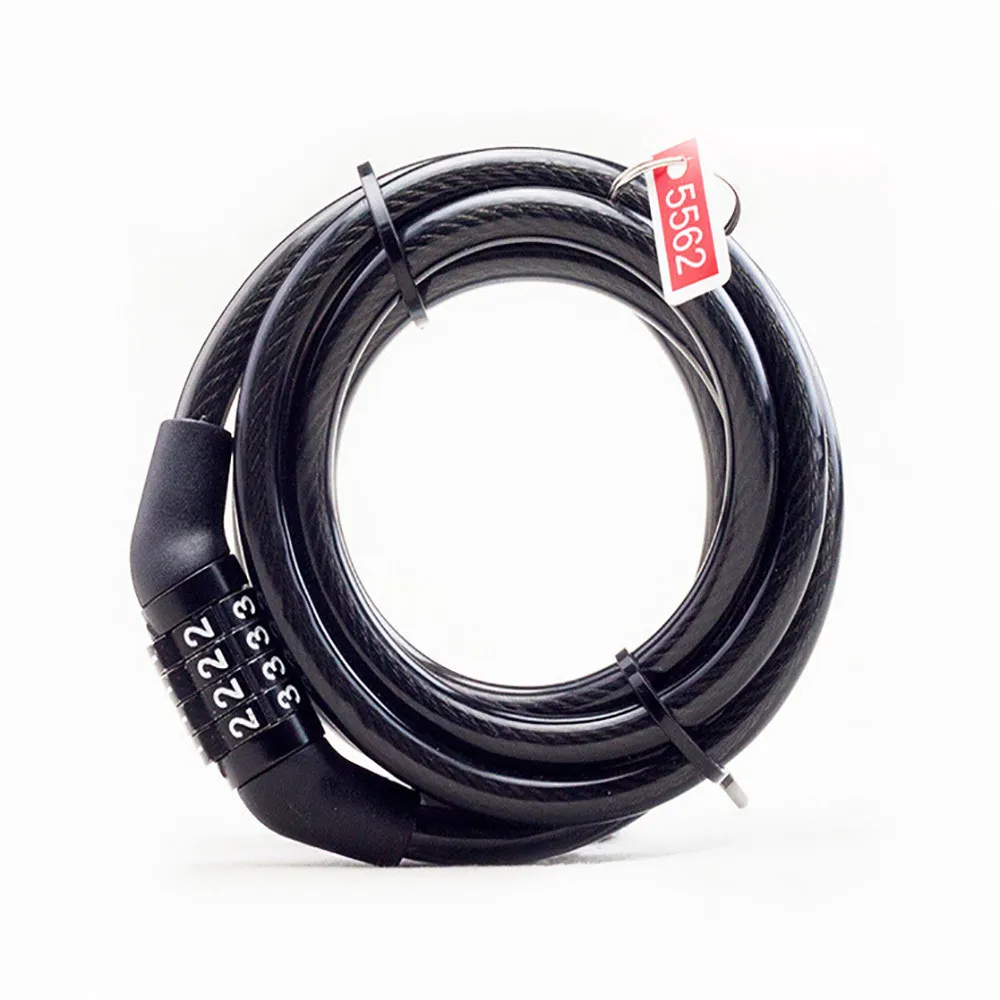
Cable Locks: Cable locks are lightweight and flexible. They consist of a cable wrapped in a protective cover and a lock. Cable locks are easy to carry around and can be wrapped around different objects. However, cable locks are easier to cut than U-locks or chain locks, and therefore, may not offer as much security.
Folding Locks: Folding locks are becoming increasingly popular amongst cyclists. They consist of a series of small steel plates connected by rivets, which fold together to form a compact unit when not in use. Folding locks are lightweight and easy to carry around. They also offer a high level of security due to their construction.
When choosing a bike lock, there are several factors to consider. Firstly, think about the environment in which you will be locking up your bike. If you live in an area with high bike theft rates, you will need a lock that offers a high level of security. Secondly, consider the size and weight of the lock. A bulky lock may be challenging to carry around, especially if you commute with your bike. Finally, think about your budget. Good quality locks can be expensive, but it is worth investing in one that meets your security needs.
Consider the Security Level of the Lock
Bike locks are typically rated according to their security level, with higher security ratings indicating stronger and more reliable locks. Different manufacturers and organizations use various rating systems, but they all generally take into account factors such as the strength of the lock's materials, its resistance to picking and cutting, and its overall durability.
One common rating system used by many manufacturers is the Sold Secure rating, which rates locks on a scale of Bronze, Silver, and Gold. Locks that receive the Gold rating are considered the most secure, while those that receive Bronze are still relatively strong but may be more susceptible to attacks from determined thieves.
Another commonly used rating system is the ART (Association for Dutch Insurance Companies) rating, which rates locks on a scale of 1 to 5. Again, locks that receive a higher rating are considered more secure and less likely to be compromised by thieves.
In addition to these rating systems, there are also several organizations that conduct independent testing and evaluation of bike locks. The most well-known of these is probably the independent testing organization Kryptonite, which rates its own locks as well as those of other manufacturers based on rigorous testing protocols.
Choose a Locking Mechanism That's Difficult to Pick
The most common type of locking mechanism is the key lock. Key locks operate similarly to a traditional house key, requiring a specific key to open the lock. While key locks are widely available and easy to use, they can be vulnerable to picking. Thieves can easily purchase lock pick tools online and use them to discreetly unlock key locks. If you choose to use a key lock, it's important to select one that has a high-quality cylinder to make it more difficult to pick.
Combination locks are another popular option for securing bicycles. These locks require the user to input a sequence of numbers or letters to unlock the lock. Combination locks can be more secure than key locks as they don't have a physical keyhole that can be manipulated. However, combination locks can still be vulnerable to brute force attacks if the combination is simple or predictable. To maximize security, choose a combination lock with a long sequence and avoid using obvious combinations like 1-2-3-4.
Smart locks are a newer type of lock that uses technology like Bluetooth or Wi-Fi to connect to a smartphone app. Users can unlock the lock through the app, eliminating the need for a physical key or combination. Smart locks can be more secure than traditional locks as they often incorporate additional features like tamper alerts and automatic locking. However, smart locks can also be vulnerable to hacking or technical malfunctions.
Ultimately, finding a locking mechanism that's difficult to pick is crucial in deterring thieves. Consider choosing a lock that has a high-security rating and is certified by organizations like Sold Secure or ART. Additionally, pairing your lock with other anti-theft measures like registering your bike and avoiding leaving it unattended for long periods can increase your chances of keeping your bike safe.
Look for Additional Features That Enhance Security
Some bike locks come with added features such as alarm systems, GPS tracking, and anti-theft guarantees. While these features may add to the cost of the lock, they can significantly enhance its overall security, providing peace of mind to cyclists.
Alarm systems are one such feature that some bike locks have. These systems emit a loud noise when someone tries to tamper with the lock or cut through it. The sound of the alarm draws attention, making it challenging for the thief to continue their attempt. This feature not only deters theft but also alerts the bike owner if someone tries to steal their bike, allowing them to take immediate action.
GPS tracking is another feature that can enhance the security of a bike lock. Some locks come equipped with a GPS tracker that allows the owner to track their bike's location in real-time. This feature can be particularly helpful if the bike is stolen, as it helps the owner locate the bike and retrieve it. In some cases, the GPS system can even notify the owner if the bike leaves a specific area, giving them an opportunity to take action before it's too late.
Anti-theft guarantees are yet another useful feature to look for. Many top-quality bike locks come with anti-theft guarantees that promise to replace the bike if it's stolen while secured with the lock. While this feature may cost more initially, it can provide significant financial security in case of theft. The guarantee shows that the manufacturer has faith in their product and assures the consumer that they have invested in a reliable lock.
Consider Your Budget and Locking Needs
First and foremost, it is essential to note that the cost of bike locks varies depending on the type and brand. There are various types of bike locks available in the market such as cable locks, u-locks, chain locks, and folding locks, among others. The prices of these locks can range anywhere from $10 to over $200. It is vital to keep in mind that the price may determine the quality of the lock. Therefore, investing in an expensive, high-quality lock may be worth the cost in the long run if you have a valuable bike or live in a high-risk area.
Before making a purchase, it is essential to consider your locking needs. Do you typically park your bike in low-risk areas, such as a personal garage or backyard? Or do you frequently park your bike in high-risk areas like busy city streets or college campuses? If you regularly park your bike in high-risk areas, it is advisable to invest in a more secure lock. A heavy-duty u-lock or chain lock is an excellent option for high-risk areas since these locks are challenging to cut or break.
On the other hand, if you primarily park your bike in low-risk areas, a lightweight cable lock may suffice. Cable locks are more affordable and portable than other locks, making them convenient to carry around. However, it is crucial to keep in mind that cable locks are not as secure as u-locks or chain locks and can be easily cut with bolt cutters.
When choosing a bike lock, it is also essential to consider the lock's size. A small lock may be more convenient to carry around, but it may not fit around larger objects, limiting your parking options. On the other hand, a big lock may be more versatile, but it may be heavier and less portable.
In conclusion, protecting your bike is crucial, and investing in a high-quality bike lock is an essential step towards achieving this. When considering purchasing a bike lock, it is essential to consider your budget and locking needs. Investing in an expensive, high-quality lock may be worth the cost if you frequently park your bike in high-risk areas. Remembering to keep your bike locked up securely is paramount in preventing bike theft.
FAQ
Q1. What is the most secure type of bicycle lock?
A: The most secure type of bicycle lock is a U-lock that is made of hardened steel and has a shackle that is resistant to cutting, prying or twisting. It is also advisable to choose a lock with a double locking mechanism that makes it difficult for thieves to pick or force open the lock.
Q2. How much should I spend on a bicycle lock?
A: Investing in a good quality bicycle lock is essential to ensure the security of your bike. You can expect to spend between $50 to $100 on a reliable U-lock, depending on the level of protection you require. It's always better to spend a little more on a high-quality lock than to risk losing your valuable bike.
Q3. Can I use multiple types of locks to protect my bike?
A: Using multiple types of locks can be an effective way to deter thieves and increase the security of your bike. For example, you can combine a U-lock with a cable lock or a chain lock to provide additional layers of protection. However, it's important to ensure that all locks are of good quality and properly secured to prevent any weak points.
Q4. Should I remove accessories such as lights and saddlebags before locking my bike?
A: It is advisable to remove any easily detachable accessories such as lights and saddlebags before locking your bike. These accessories can be tempting targets for thieves and can be quickly removed even if your bike is securely locked. Additionally, removing these items can make your bike less appealing and attract less attention from potential thieves.
Recommended related content
How to Choose the Perfect Lightweight Bike for Your Riding Style
How to choose the perfect custom window blinds for your home
How to Choose the Best S35VN Steel Knife for Your EDC: A Comprehensive Guide.
How to Choose the Best Accessories for Toilets: A Complete Guide
How to Choose the Perfect Sneakers Slippers for Ultimate Comfort
