
Beginner's Guide to Understanding Wetsuit Materials for Surfing
Upload time :December 4, 2023
Shares
Reads
Wetsuits are essential for surfers, and choosing the right material is crucial. Neoprene is the most common material used for wetsuits due to its insulating properties and durability. There are different types of neoprene available, including standard and super-stretch. However, non-neoprene materials such as Yamamoto, limestone, and bamboo-charcoal also provide excellent performance and have their own unique benefits. When selecting a wetsuit, thickness and insulation are critical factors to consider based on water temperature and conditions. A thicker wetsuit provides better insulation, but it can also restrict movement. Conversely, a thinner wetsuit offers more flexibility but may not provide enough warmth in colder waters. Ultimately, choosing the right wetsuit material requires considering various factors to ensure a comfortable and safe surfing experience.
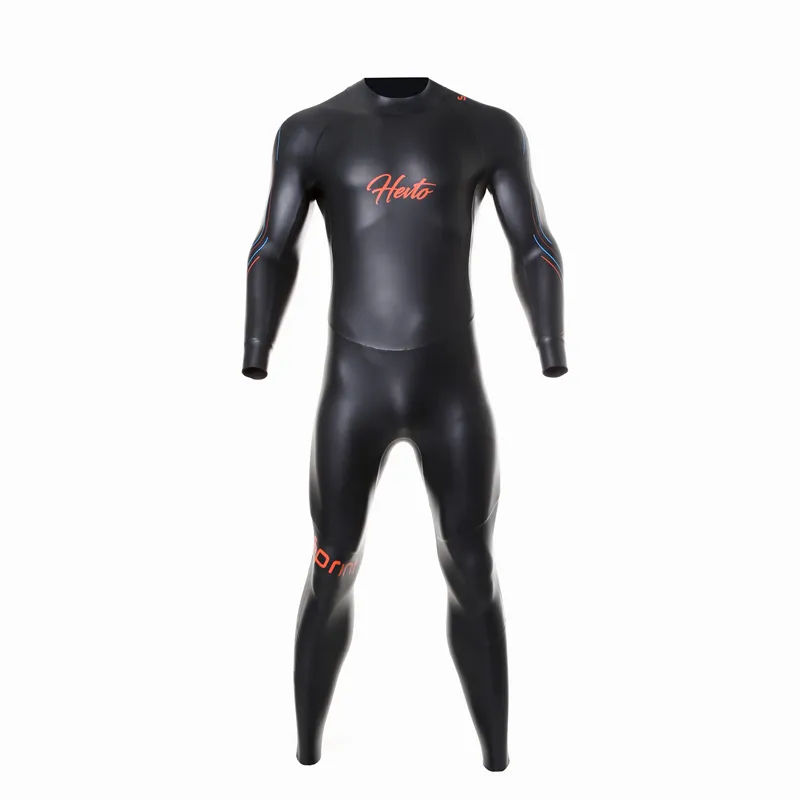
Buy Now
See More: Wholesale Products
Neoprene
Neoprene has a number of unique characteristics that make it ideal for use in wetsuits. First and foremost, it is an excellent insulator, which means that it is able to trap warm water close to the skin and keep the wearer warm even in cold conditions. Additionally, neoprene is very flexible, which allows for a wide range of motion while surfing. It is also very durable and resistant to wear and tear, which is important given the harsh conditions that surfers often face.
There are several different types of neoprene that are commonly used in wetsuits. Standard neoprene is the most basic type and is generally the least expensive. It is fairly rigid and not as stretchy as other types, but it still provides good insulation. Super-stretch neoprene, on the other hand, is much more flexible and allows for a greater range of motion. It is also more expensive than standard neoprene.
Another type of neoprene that is becoming increasingly popular is called "geoprene." This is a more eco-friendly version of neoprene that is made from limestone instead of petroleum-based products. It is just as effective as regular neoprene, but it has a smaller environmental impact.
There are both pros and cons to using neoprene for wetsuits. On the positive side, neoprene is an excellent insulator and provides good protection against the elements. It is also very durable and long-lasting, which means that it can withstand the rough conditions that surfers encounter. Additionally, neoprene is very versatile and can be used in a variety of different types of wetsuits.
However, there are some drawbacks to neoprene as well. One of the biggest concerns is its impact on the environment. Neoprene is not biodegradable and is made from non-renewable resources. Additionally, the process of manufacturing neoprene can be quite energy-intensive, which contributes to carbon emissions and other environmental issues.
Non-Neoprene Materials
The non-neoprene materials used for making wetsuits are typically made of synthetic fabrics such as polyester, nylon, spandex or a combination of these materials. These fabrics offer several advantages over neoprene, including increased flexibility, breathability, and faster drying times. Since they are not made of natural rubber, they also tend to be more eco-friendly.
One of the key benefits of non-neoprene materials is their superior flexibility. Traditional neoprene wetsuits can feel stiff, especially when new, and often require time to break-in. Non-neoprene materials are generally more pliable and stretchier, which allows for greater freedom of movement and comfort while surfing. This can make a big difference during long surfing sessions, where flexibility and comfort are crucial.
In addition to being more flexible, non-neoprene materials are also more breathable than traditional neoprene. This means that they allow water vapor to escape more easily, reducing the amount of sweat and moisture buildup inside the wetsuit. This can help keep surfers dry and comfortable, even during high-intensity activities like surfing.
Another advantage of non-neoprene materials is their faster drying times. Neoprene is known for being slow to dry, even when exposed to direct sunlight. Non-neoprene materials, on the other hand, tend to be more hydrophobic, meaning they repel water more effectively. This helps them dry faster, which can be especially useful for those who surf frequently and need to use their wetsuits multiple times per day.
There are several different types of non-neoprene materials that are used in wetsuits. One popular option is Yamamoto Limestone Neoprene, which is made from limestone rather than petrochemicals. This material is not only eco-friendly but also highly elastic and resistant to compression, making it ideal for wetsuits. Another option is recycled polyester, which is made from discarded plastic bottles. Recycled polyester is lightweight, durable, and has excellent moisture-wicking properties.
Other non-neoprene materials that are commonly used in wetsuits include polychloroprene, thermoplastic elastomers, and polyurethane foam. Each of these materials offers its own unique benefits and drawbacks, depending on how they are used in the wetsuit.
Thickness and Insulation
The thickness of a wetsuit is measured in millimeters, and determines how well it will insulate you from the cold. A thicker wetsuit will provide more insulation, while a thinner one will offer less. The most common thicknesses for wetsuits are 3/2mm, 4/3mm, and 5/4/3mm. The first number represents the thickness of the neoprene in the torso area, while the second number is the thickness in the arms and legs. For example, a 3/2mm wetsuit has 3mm thick neoprene in the torso and 2mm thick neoprene in the arms and legs.
When selecting the right thickness for your wetsuit, there are several factors to consider. One is the water temperature. If you'll be surfing in colder waters, such as in northern California or Oregon, you'll want a thicker wetsuit to keep you warm. Conversely, if you're surfing in warmer waters, such as in Hawaii or Southern California, you can get away with a thinner wetsuit.
Another factor to consider is your own personal tolerance for cold. Some people naturally feel colder than others, so you might need a thicker wetsuit than someone else who is surfing in the same conditions. Additionally, if you tend to get cold easily, you may want to look for a wetsuit with additional insulation features, such as a thermal lining or a built-in hood.
In addition to thickness, the insulation of a wetsuit is also an important consideration. Insulation refers to the materials inside the wetsuit that help to trap warm air against your skin. The most common insulation types are smoothskin and lined neoprene. Smoothskin is a type of neoprene that has a smooth, rubbery exterior that helps to reduce heat loss. Lined neoprene, on the other hand, has a soft lining inside the wetsuit that provides additional warmth and comfort.
When choosing between these two types of insulation, consider the type of water conditions you'll be surfing in. Smoothskin is best for calm, flat water conditions where wind chill is a concern. Lined neoprene is better for choppy, windy conditions where you need extra protection from the elements.
In conclusion, the thickness and insulation of a wetsuit are two critical factors to consider when selecting the right wetsuit for your surfing needs. By taking into account the water temperature, your own personal tolerance for cold, and the type of water conditions you'll be surfing in, you can find a wetsuit that will keep you warm and comfortable in the water. Don't skimp on these important features – investing in a high-quality wetsuit with the right thickness and insulation will make all the difference in your surfing experience.
FAQ
Q1. What are the different types of wetsuit materials for surfing, and what makes them unique?
There are several types of wetsuit materials for surfing, including neoprene, polypro, and nylon. Neoprene is the most commonly used material, as it provides excellent insulation and flexibility. Polypro is typically used in combination with neoprene to add extra warmth, while nylon is used for its durability and water resistance.
Q2. How do I choose the right wetsuit material for my needs?
Choosing the right wetsuit material depends on your individual needs and preferences. Consider factors such as the water temperature, your level of experience, and the type of surfing you'll be doing. Thicker neoprene wetsuits will provide more warmth, while thinner ones will offer greater flexibility and mobility.
Q3. How should I care for my wetsuit to ensure it lasts as long as possible?
Proper care and maintenance are crucial to extending the life of your wetsuit. Rinse it thoroughly with freshwater after each use and hang it up to dry in a cool, shaded area. Avoid exposing it to direct sunlight or heat sources, as this can cause the neoprene to break down over time. A wetsuit shampoo can also help remove salt and chlorine buildup and prevent odors.
Q4. Can I repair a tear or hole in my wetsuit myself?
While small tears or holes in your wetsuit can usually be repaired at home with a wetsuit patch kit, larger or more complicated repairs may require professional assistance. Always follow the manufacturer's instructions for proper repair techniques and avoid using harsh chemicals or adhesives that could damage the neoprene.
Recommended related content
The Ultimate Guide to Choosing the Best Poster Frame for Your Home or Office
The Ultimate Guide to Choosing the Right Metal Anchors for Your Home
The Ultimate Guide to Finding the Perfect Drawstring Pants for Your Wardrobe
A Beginner's Guide to Choosing the Right Polo White Tee for Your Body Type
The Ultimate Guide to Choosing the Best Extractor Oil for Your Health
