
How to Clean and Maintain Your Floating Toys for Maximum Fun
Upload time :December 13, 2023
Shares
Reads
Are you a proud owner of floating toys for your pool? Keeping them clean and well-maintained is essential for their longevity and performance. In this article, we'll discuss the different types of floating toys and their cleaning requirements, offering step-by-step instructions on how to clean each type effectively. We'll also provide tips on using safe, eco-friendly, and affordable cleaning solutions. Maintenance is crucial for your floating toys' safety, so we'll explain routine maintenance tasks such as checking for leaks, deflating when not in use, and storing in a dry place. We'll offer suggestions on how to repair minor damages and when to seek professional help. Lastly, we'll emphasize the importance of safety and highlight some safety measures that consumers should take while cleaning and maintaining their floating toys, including recommended safety gear and equipment like life jackets and repair kits.
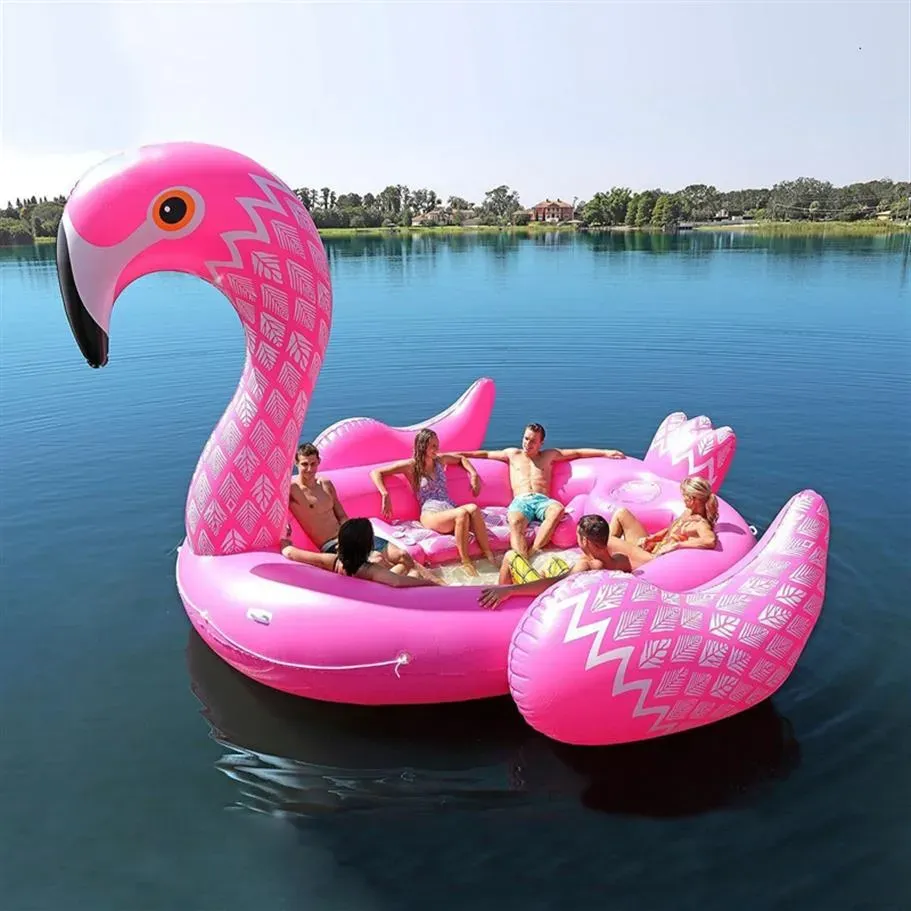
Buy Now
See More: Wholesale Products
Cleaning Floating Toys
In this article, we'll discuss the different types of floating toys available and their cleaning requirements. We'll also provide step-by-step instructions on how to effectively clean each type of toy and offer tips on using safe, eco-friendly, and affordable cleaning solutions.
Types of Floating Toys and Their Cleaning Requirements:
1. Plastic Toys: These include water guns, beach balls, and other hard plastic toys. To clean them, you will need warm soapy water and a soft-bristled brush. Scrub the surface of the plastic toy with the brush and rinse it thoroughly with clean water. To sanitize it, you can use a mixture of equal parts of vinegar and water. Dip the toy in the solution for a few minutes, then rinse it with clean water.
2. Foam Toys: Foam noodles, kickboards, and other foam-based toys are popular in pools. Cleaning these types of toys requires gentle care as they can easily tear or rip. Use a mild soap and water to clean foam toys. Avoid using harsh chemicals or hot water, which can melt the foam. Rinse the toy with clean water and let it dry completely before storing it.
3. Inflatable Vinyl Toys: The most common type of floating toy is the inflatable vinyl toys such as pool floats, inner tubes, and rafts. To clean them, deflate the toy and wipe the surface with a damp cloth. For stubborn stains, use a mild detergent and warm water. Rinse it with clean water and let it air-dry before inflating it again.
Tips on Using Safe, Eco-Friendly, and Affordable Cleaning Solutions:
1. Avoid using harsh chemicals: Chemicals such as bleach and ammonia can damage the surface of your floating toys over time. Opt for gentle solutions such as vinegar and baking soda when cleaning your toys.
2. Use eco-friendly solutions: If you're concerned about the environment, choose eco-friendly cleaning solutions that are safe for the pool and marine life. Biodegradable soap, vinegar, and baking soda are excellent choices.
3. Be consistent: Regular cleaning of your floating toys is essential to prevent bacteria growth, mold, and other harmful substances. Make it a habit to clean your toys after every use or at least once a week.
Maintaining Floating Toys
Routine maintenance tasks such as checking for leaks, deflating when not in use, and storing in a dry place are essential to ensuring that your floating toys last as long as possible. Checking for leaks should be done regularly, as even small punctures or tears can cause significant damage over time. To check for leaks, simply fill the toy with air and submerge it in water. Look for bubbles or signs of air escaping. If you do find a leak, there are a variety of patch kits available on the market that can help you repair minor damages.
Deflating your floating toy when not in use is also important. Leaving it inflated in the sun can cause damage to the material over time and may lead to premature wear and tear. Additionally, storing your floating toy in a dry place will help prevent mold growth and other forms of damage caused by moisture.
When it comes to repairing minor damages, there are a few options available to consumers. As mentioned before, patch kits can be used to fix small punctures or tears. Additionally, some manufacturers offer repair services for their products. It is important to note, however, that attempting to repair major damages yourself can be dangerous and may void the manufacturer's warranty. If you are unsure about how to proceed with a repair or if the damage is significant, seeking professional help is always the best option.
Safety Measures
First and foremost, it is essential to remember that floating toys are not a substitute for proper swimming skills or supervision. While they can provide entertainment and relaxation, consumers should never rely on them solely to keep themselves or others safe in the water. Instead, parents and guardians must always supervise children while they are playing with these toys, ensuring they wear appropriate life jackets if necessary.
Another important safety measure is proper cleaning and maintenance of floating toys. Over time, dirt, debris, and other contaminants can build up on the surface of these items, making them slippery and potentially dangerous. To prevent accidents, consumers should clean their floating toys regularly with mild soap and warm water, being sure to rinse thoroughly afterward.
In addition to cleaning, consumers should also inspect their floating toys for signs of damage or wear before each use. If any tears, punctures, or other damage is present, the item should not be used until it has been repaired or replaced. To aid in this process, manufacturers often provide repair kits specifically designed for their products, which consumers can purchase separately.
Finally, consumers should consider investing in additional safety gear and equipment to use with their floating toys. For example, wearing a life jacket, especially for young children and weaker swimmers, can provide an extra layer of protection and buoyancy in case of an accident. Additionally, purchasing a safety rope to attach to the toy can help prevent it from drifting away from the swimmer.
In conclusion, while floating toys can provide a lot of fun and enjoyment in the pool, it is crucial to prioritize safety at all times. Consumers should always supervise children and ensure they have proper swimming skills and protective equipment such as life jackets when needed. They should also maintain and clean their floating toys regularly, and inspect them for any signs of damage or wear before each use. By taking these safety measures seriously, consumers can enjoy their time in the pool without risking injury or accidents.
FAQ
Q1. How often should I clean my floating toys?
It is recommended to clean your floating toys after every use to prevent the buildup of dirt, bacteria, and other debris. However, if you are unable to clean them immediately, make sure to rinse them thoroughly with fresh water and dry them completely before storing.
Q2. What is the best way to clean my floating toys?
The best way to clean your floating toys is by using a mild soap or detergent and warm water. Scrub the toy gently with a soft-bristled brush or sponge, focusing on the areas that have dirt or grime buildup. Rinse the toy thoroughly with fresh water and pat dry with a clean towel or let it air dry.
Q3. Can I use bleach to clean my floating toys?
Using bleach to clean your floating toys is not recommended as it can damage the material of the toy and cause discoloration. Instead, use a mild soap or detergent and warm water to clean your floating toys, and avoid using any harsh chemicals or abrasives.
Q4. How do I store my floating toys to maintain their quality?
After cleaning and drying your floating toys, store them in a cool, dry place away from direct sunlight and extreme temperatures. Avoid storing them in a damp or humid environment, as this can cause mold or mildew growth. Additionally, make sure to store them upright or hanging to prevent any deformation of the toy's shape.
Recommended related content
How to Style Your Black Sweatpants for Any Occasion
How to Style and Wear Snap Charms for Any Occasion
How to Style Your Rainbow Purse for Any Occasion
How to care for and maintain your black pleated mini skirt
How to Clean and Maintain Your Sectional Sofa to Keep It Looking Like New
