
Reasons Why Museum Board is the Best Material for Art Preservation
Upload time :September 8, 2023
Shares
Reads
- Moisture: Moisture is the arch-nemesis of artwork, leading to mold, warping, and degradation. Museum board is moisture-resistant, creating a barrier that prevents water from seeping into the artwork and causing damage.
- UV Radiation: The sun, with all its glory, can be harmful to art. UV radiation can fade colors and deteriorate delicate materials. Museum board comes equipped with UV blockers, shielding the artwork from these rays and preserving its vibrant hues.
- Airborne Pollutants: Dust, dirt, and pollutants lurking in the air can settle on artworks, causing discoloration, staining, or even chemical reactions. Museum board acts as a defender, keeping these villains at bay and preventing them from reaching the artwork.
- Acidic Materials: Some materials, such as regular cardboard, contain acids that can leach into artworks, causing irreversible damage. Museum board, on the other hand, is acid-free, ensuring that there will be no corrosive substances harming the artwork.
- Paintings: For paintings, museum board provides a stable and rigid support, preventing any warping or bending that could harm the artwork. It also acts as a barrier, protecting the painted surface from contact with the glass or frame, preventing smudging or sticking.
- Photographs: Photographs are often susceptible to fading and degradation caused by UV radiation. Museum board with UV blockers significantly reduces the impact of these harmful rays, preserving the original colors and details of the photograph for years to come.
- Drawings and Prints: Delicate drawings and prints require extra care to prevent damage. Museum board, with its acid-free composition, helps maintain the integrity of the paper, preventing discoloration and yellowing. It also offers a smooth and sturdy surface that keeps the artwork flat and secure.
- Textiles and Fabrics: Museum board provides a firm backing for textiles and fabrics, preventing sagging and maintaining the shape of the artwork. It also acts as a protective barrier, reducing the risk of direct contact with potentially harmful elements.
- Three-Dimensional Artworks: Sculptures and other three-dimensional artworks often require sturdy support to maintain their shape and prevent damage. Museum board is an ideal choice as it offers stability and can be customized to fit the specific needs of the artwork, ensuring its longevity.
When it comes to art preservation, selecting the right material is essential. Among the many options available, museum board emerges as the ultimate champion. In this blog, we will delve into the top ten reasons why museum board surpasses other materials in art preservation. Museum board boasts acid-free properties, ensuring that it won't deteriorate or harm the artwork over time. Its exceptional stability and durability guarantee that the art remains well-protected and intact. Furthermore, museum board offers superior protection against UV radiation, reducing the risk of fading or discoloration. Its non-reactive nature prevents chemical reactions that could damage delicate artwork. The versatility of museum board allows for various mounting and framing options, providing flexibility for showcasing artwork. Not to mention, its archival quality ensures that the artwork remains in prime condition for years to come. In short, museum board is the unbeatable choice for art preservation, serving as the ultimate guardian for cherished masterpieces.
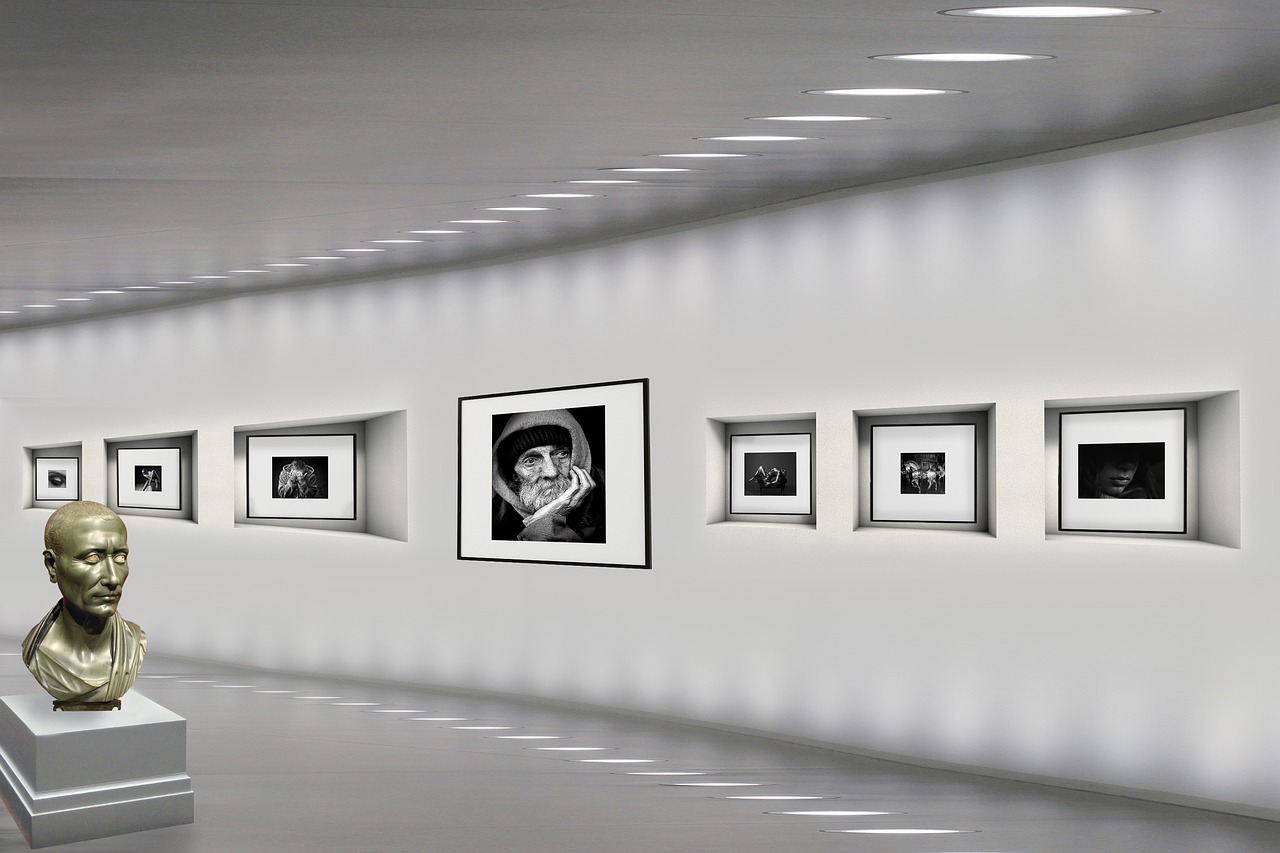
What is Museum Board and Why it is Important for Art Preservation?
Museum board, also known as conservation board or archival board, is a specialized type of mat board made from high-quality, acid-free materials. It is designed specifically for art preservation and is widely used in museums, galleries, and professional framing studios. But what makes museum board so important for art preservation?
First and foremost, museum board is made from acid-free materials. Acidic materials can cause irreversible damage to artwork over time, including discoloration, fading, and deterioration. By using museum board, art professionals ensure that the artwork is protected from these harmful effects, preserving its original colors and condition for generations to come.
Another crucial aspect of museum board is its stability and durability. It is manufactured to meet strict conservation standards, providing a robust and rigid support for artwork. This prevents any potential warping or bending, which can lead to damage or distortion of the artwork.
In addition, museum boards often have a high level of lignin-free and buffered properties. Lignin is a natural component found in wood pulp, which can cause acid release and yellowing of paper-based materials. The absence of lignin in museum board eliminates this risk, while the buffering agent helps to maintain a stable pH level, further protecting the artwork.
Moreover, museum board offers excellent protection against harmful UV radiation. UV rays can accelerate the fading and deterioration of artworks, particularly those made with sensitive materials like watercolors or photographs. Museum board, with its UV-resistant properties, acts as a shield, reducing the damaging effects of these rays and preserving the colors and integrity of the artwork.
Lastly, museum board provides a versatile and professional platform for mounting and framing artwork. Its sturdy construction and acid-free composition make it ideal for securely presenting and displaying art without compromising its longevity.
In conclusion, museum board plays a critical role in art preservation. Its acid-free nature, stability, durability, UV protection, and versatility make it the ultimate choice for protecting and maintaining the beauty and quality of valuable artworks. Whether it's a historical masterpiece or a contemporary artwork, museum board ensures that art lovers can enjoy them for years to come.
How Museum Board Protects Art from Environmental Factors
With museum board as its trusty sidekick, art can confidently face these environmental foes. It provides a safe and stable environment for artworks, protecting them from the forces of nature and preserving their beauty for future generations to enjoy.
The Benefits of Museum Board for Specific Types of Artwork
QA:
1. What is museum board made of?
Answer: Museum board is made of acid-free and lignin-free materials, designed to prevent yellowing and deterioration.
2. How does museum board compare to other preservation materials?
Answer: Museum board is considered the gold standard for preservation due to its acid-free and lignin-free composition, which prevents yellowing and deterioration.
3. Can museum board be used for all types of artwork?
Answer: Museum board can be used for various types of artwork, but specific types such as photographs require additional protection like UV filtering glass.
 Buy NowSee More: Wholesale Products
