
Avoiding Common Foot Problems at the Gym: Tips from Podiatrists on Finding the Perfect Gym Socks
Upload time :August 31, 2023
Shares
Reads
Proper Footwear for the Gym: A Guide to Choosing the Right Gym Socks
When it comes to working out at the gym, people often overlook the importance of proper footwear, but it can have a significant impact on foot health. This article provides insight into common foot problems that arise from improper footwear and highlights different materials and styles available for gym socks. Readers will learn how to choose the right gym socks based on their specific needs, such as those with flat feet or high arches. Additionally, the article addresses proper care and maintenance of gym socks to prevent bacteria buildup and odor. Lastly, readers will find tips for preventing foot problems at the gym, including stretching and warm-up exercises, wearing proper gym shoes, and avoiding barefoot workouts.
Introduction: Importance of proper footwear in the gym and how it affects your foot health
Body:
1. What makes a good gym sock?
- Material: Breathable, moisture-wicking fabric such as nylon or polyester
- Cushioning: Adequate padding in the heel and ball of the foot for shock absorption
- Arch support: Helps distribute weight evenly across the foot and prevent strain on the arch
- Fit: Snug but not too tight to prevent blisters and slippage
2. Types of gym socks:
- Ankle socks: Low-cut socks that provide minimal coverage and are ideal for warmer weather and low-intensity workouts.
- Crew socks: Higher-cut socks that offer more coverage and cushioning for activities such as running and weightlifting.
- Compression socks: Tight-fitting socks that improve blood flow and reduce muscle fatigue during high-intensity workouts.
3. Benefits of wearing proper gym socks:
- Prevention of blisters, calluses, and other foot injuries
- Improved comfort and performance during workouts
- Reduced risk of bacterial and fungal infections
- Increased durability and longevity of shoes
Understanding the different types of gym socks available
Material Options:
The material of your gym socks is crucial in determining their comfort, durability, and breathability. The three most common materials used in gym socks are cotton, synthetic blends, and wool. Cotton socks are soft and comfortable, making them ideal for low-impact workouts like yoga or stretching. However, they tend to soak up sweat, causing your feet to feel damp and uncomfortable during high-intensity exercises.
Synthetic blends, on the other hand, are made from materials like polyester, nylon, and spandex. They are moisture-wicking, quick-drying, and breathable, making them perfect for intense workouts that require a lot of movement. Wool socks are also popular among gym-goers, especially during colder months. They offer natural insulation, warmth, and breathability, while also wicking away moisture from your feet.
Style Options:
Another important factor to consider when choosing gym socks is style. There are several styles available in the market, each with its own unique benefits. Ankle socks are the most popular option for gym enthusiasts as they provide ample coverage while also allowing your feet to breathe. Crew socks are taller and offer more protection to your ankles, making them ideal for activities like hiking or running. Compression socks are designed to apply pressure to your feet and legs, promoting blood flow and reducing muscle fatigue. They are ideal for endurance athletes who need extra support during long periods of activity.
Choosing the right gym socks for your specific needs
When it comes to working out, many people focus on finding the right shoes or the perfect workout clothes. However, one essential item that often gets overlooked is gym socks. Wearing the right pair of socks can make a significant difference in your comfort and performance during workouts. In this article, we will discuss how to choose the right gym socks for your specific needs.
Considerations for Those with Flat Feet, High Arches, or Other Foot Conditions
The first thing to consider when choosing gym socks is whether you have any foot conditions such as flat feet, high arches, or plantar fasciitis. If you have flat feet, you may want to look for socks with extra arch support to help prevent overpronation. On the other hand, if you have high arches, look for socks with extra cushioning to provide more shock absorption.
People with plantar fasciitis should also consider wearing compression socks, which can provide additional support and help reduce inflammation. These socks apply pressure to the foot, ankle, and calf muscles to promote blood flow and stimulate healing.
Tips for Finding the Perfect Fit and Avoiding Blisters or Discomfort
Another critical factor to consider when choosing gym socks is the fit. Ill-fitting socks can cause blisters, discomfort, and even lead to more severe foot injuries. Here are some tips to help you find the perfect fit:
1. Choose the Right Size - Make sure to select socks that fit your feet properly. Socks that are too tight can restrict circulation, while socks that are too loose can bunch up and cause friction.
2. Look for Moisture-Wicking Material - Sweat can build up in your socks during a workout, leading to blisters and discomfort. Look for socks made from moisture-wicking material to keep your feet dry and comfortable.
3. Check the Seam Placement - Seams can cause irritation and even blisters, especially during high-intensity workouts. Look for socks with seamless construction or seams placed in areas that won't rub against your skin.
4. Consider the Padding - Depending on the intensity of your workout, you may want socks with extra padding for added comfort and shock absorption.
Proper care and maintenance of gym socks
To start, let's talk about washing. After each workout, it's recommended that you wash your gym socks. This helps remove sweat and bacteria buildup, preventing any unwanted odors. When washing, use a mild detergent and avoid using fabric softeners- these can actually trap bacteria and cause more odor. If possible, wash your socks in hot water to kill bacteria and then line dry them in direct sunlight. Sunlight is a natural disinfectant and can help keep bacteria at bay.
In addition to proper washing, it's important to take care when drying your gym socks. Avoid using high heat as this can damage the elastic and lead to shrinkage. Instead, opt for low heat or air-drying. If you must use a dryer, put your socks in a lingerie bag to prevent them from getting lost or tangled. By properly drying your gym socks, you'll extend their lifespan and reduce the need for frequent replacements.
Speaking of replacements, it's important to know when to retire old or worn-out gym socks. Over time, the elastic in socks can break down, leading to sagging and discomfort. Additionally, if your socks have holes or thinning spots, they're not providing proper foot support and should be replaced. Wearing old or damaged socks can increase your risk of blisters, calluses, and even fungal infections.
Additional tips for preventing foot problems at the gym
Stretching and warm-up exercises are key components to any workout routine and often overlooked when it comes to preparing your feet for a workout. Incorporating simple stretches like ankle rotations and calf stretches before your workout can help prevent injuries such as sprains and strains. Additionally, warming up your feet with exercises like toe taps and heel raises can help increase blood flow and flexibility in your ankles and feet which can lead to better overall performance.
Wearing proper gym shoes is crucial for preventing foot problems at the gym. Investing in a pair of shoes specifically designed for working out can provide the necessary support and cushioning needed for high impact activities like running. Shoes with good arch support can prevent conditions like plantar fasciitis and choosing shoes with breathable material can help prevent issues like athlete's foot. It's also important to replace your gym shoes every 6-8 months or when they start showing signs of wear and tear.
Avoiding barefoot workouts is another important tip for preventing foot problems at the gym. While it may seem more comfortable or natural to workout barefoot, it actually increases the risk of injury. Not wearing shoes can expose your feet to bacteria and fungi which can lead to infections. Additionally, going barefoot can put your feet at risk for cuts and scrapes which can become infected if left untreated.
In conclusion, incorporating stretching and warm-up exercises, wearing proper gym shoes and avoiding barefoot workouts are all important tips for preventing foot problems at the gym. By taking care of your feet, you can ensure that you're able to continue reaching your fitness goals without interruption. Remember, prevention is key when it comes to foot problems so make sure to prioritize taking care of your feet during your next workout.
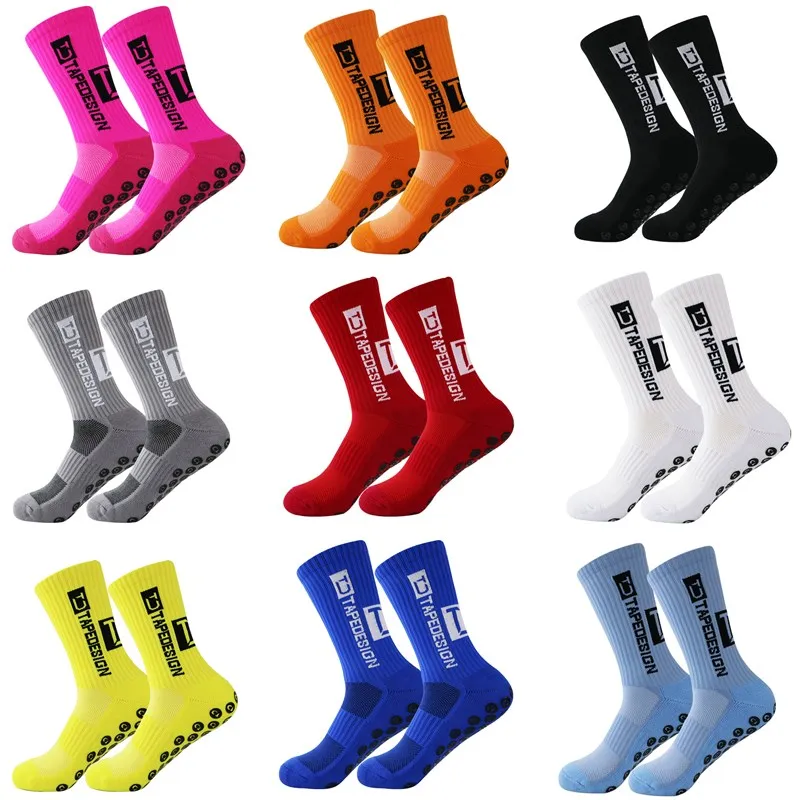 Buy NowSee More: Wholesale Products
FAQ
Q1. What are the common foot problems that can occur at the gym?
Common foot problems that can occur at the gym include blisters, athlete's foot, and plantar fasciitis. These issues can be caused by improper footwear, lack of hygiene, and overuse of the feet.
Q2. How can wearing the right socks help prevent foot problems at the gym?
Wearing the right socks can help prevent foot problems at the gym by providing proper support and cushioning for your feet. Socks made from breathable materials can also help keep your feet dry and reduce the risk of fungal infections.
Q3. What should I look for when choosing gym socks?
When choosing gym socks, look for socks that are made from moisture-wicking materials, such as cotton or synthetic blends. Look for socks with arch support and cushioning to help prevent blisters and provide comfort during high-impact activities. Avoid socks that are too tight or too loose, as they can cause irritation or rubbing.
Q4. Can I wear any type of shoes with my gym socks?
No, it is important to choose the right shoes to wear with your gym socks. Shoes that provide proper arch support and cushioning can help prevent foot problems at the gym. Avoid wearing shoes that are too tight or too loose, as they can cause discomfort and foot problems. It is also important to choose shoes that fit properly and allow your feet to breathe.
