
Sharp vs. Dull The Ultimate Guide to Choosing the Best Knives for Your Kitchen
Upload time :September 7, 2023
Shares
Reads
Summary: Choosing the right knives for your kitchen can make all the difference in your cooking experience. But with so many options out there, it can be overwhelming to know where to start. This blog post will break down the differences between sharp and dull knives, explore various types of kitchen knives, and provide tips on how to choose the best ones for your needs.
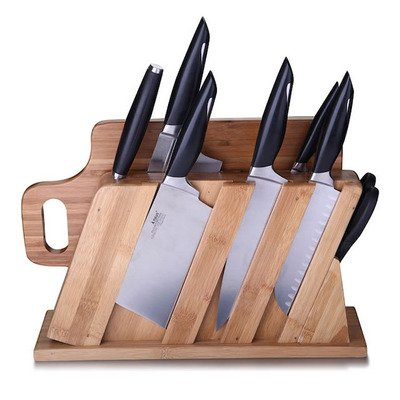
Sharp vs. Dull Knives - What's the Difference?
When delving into the realm of knives, the pivotal factor that often defines their utility is their sharpness. A sharp knife isn't merely a tool; it's a conduit that transforms mundane kitchen tasks into seamless, efficient, and even pleasurable endeavors. The edge of a well-honed blade effortlessly glides through ingredients, enabling precision and control that is both satisfying and time-saving. On the other hand, a dull knife can turn what should be a simple task into an exercise in frustration, often requiring excessive force and resulting in uneven cuts that mar the presentation of your culinary creations.
Beyond the convenience and ease, the importance of a sharp knife for safety cannot be overstated. A sharp blade requires less force to cut, reducing the likelihood of slips and accidental injuries. Contrarily, a dull blade may slip unexpectedly, potentially leading to accidents that could have been easily avoided. Therefore, recognizing the distinction between a sharp and dull knife goes beyond a culinary preference – it's a matter of ensuring your safety and enhancing your overall cooking experience.
In this section, we aim to unravel the science behind the difference between a sharp and dull knife. Understanding the nuances of blade sharpness involves concepts like edge angles, bevels, and the impact of honing. Moreover, we'll explore the reasons behind the varying degrees of sharpness and offer insights into how to maintain the sharpness of your knives over time.
Whether you're a seasoned chef or an amateur cook, acknowledging the significance of knife sharpness serves as the foundation of your culinary journey. It influences not only the outcomes of your dishes but also your efficiency and confidence in the kitchen. By grasping the essence of sharpness and its implications, you're poised to navigate the world of knives with a renewed appreciation for the art of precision and a commitment to safety.
Types of Kitchen Knives - Which Ones Do You Need?
Within the culinary realm, the world of kitchen knives is a diverse landscape with each blade type purposefully crafted for specific culinary endeavors. The array of knife options resembles a symphony of possibilities, each note of which plays a role in creating the harmonious culinary masterpiece you envision. From slicing delicate herbs to carving roasts with finesse, the kitchen knife arsenal is a toolkit tailored to the artistry of cooking.
At the heart of this diverse collection are some of the most familiar knife types, each wielding its own prowess in the culinary orchestra. The chef's knife, often dubbed the workhorse of the kitchen, effortlessly handles a range of tasks from chopping vegetables to slicing proteins. The paring knife, with its nimble precision, tackles delicate tasks like peeling, trimming, and intricate detailing. Serrated knives, featuring their distinctive toothed edges, are adept at smoothly slicing through crusty bread and tender tomatoes alike. And then there's the cleaver, a robust heavyweight renowned for its ability to efficiently split bones and carve through tough cuts of meat.
In this section, we delve into the multifaceted world of kitchen knives, unveiling the unique attributes that make each type indispensable. Beyond the surface level, we explore the subtleties of blade curvature, handle design, and weight distribution – all factors that contribute to the knife's proficiency in a particular task. Understanding these nuances equips you with the knowledge needed to select the ideal knife for a specific culinary feat, enhancing both your efficiency and the final outcome.
However, crafting your knife toolkit is a journey of balancing necessity with practicality. While the world of kitchen knives is extensive, your selection should be influenced by the types of dishes you frequently prepare. Investing in a well-rounded ensemble that includes the essentials – a versatile chef's knife, a precise paring knife, and perhaps a serrated knife for crusty bread – will serve you well in most culinary endeavors.
As you embark on your culinary exploration, consider each knife not just as a tool, but as an extension of your hands and creativity. By mastering the art of choosing and using various knife types, you empower yourself to transform raw ingredients into culinary works of art, all while reveling in the satisfaction of honing your craft with each precise cut.
Tips for Choosing the Best Knives for Your Needs
Crafting a selection of knives tailored to your needs is a journey that involves a delicate interplay of several factors. As you navigate the intricate world of knife choices, it's essential to recognize that your preferences, skills, and culinary aspirations all play a role in determining the ideal set of blades for your kitchen endeavors.
One of the foremost considerations is your proficiency level in the kitchen. For those who are new to cooking or just beginning to explore the culinary realm, starting with a versatile and all-purpose chef's knife can be a smart choice. Its design lends itself to a range of tasks, making it an excellent tool to refine your cutting techniques as you experiment with various ingredients and recipes. On the other hand, seasoned chefs might appreciate a more specialized ensemble that caters to the nuances of their culinary expertise.
Budget is another influential factor that shapes your knife selection journey. The knife market offers a spectrum of options, from budget-friendly choices to artisanal masterpieces. While investing in high-quality knives often pays off in terms of durability and performance, it's important to find a balance that aligns with your financial considerations. Remember that a well-maintained, mid-range knife can yield exceptional results, particularly if it's suited to your cooking style and needs.
Delving into the realm of blade materials is equally crucial. Stainless steel and carbon steel are the most common materials used in knife manufacturing, each with its own set of advantages. Stainless steel offers rust resistance and requires minimal maintenance, making it a popular choice for many home cooks. On the other hand, carbon steel boasts sharpness and edge retention, making it a favorite among professionals. Understanding the material that best aligns with your preferences and upkeep routine is pivotal in selecting a knife that will serve you well over time.
The handle design is an often-overlooked but significant consideration. The handle's grip, comfort, and balance all contribute to your overall experience when using the knife. Ergonomics play a vital role, especially during prolonged cooking sessions. Handle materials, such as wood, plastic, or composite materials, offer varying degrees of comfort and aesthetics, allowing you to choose one that resonates with your tactile preferences.
Lastly, while price is a consideration, it's important not to compromise on quality. A well-crafted knife is an investment that can last for years if cared for properly. Consider your knife selection as a long-term investment in your culinary journey, enhancing your cooking experiences and enabling you to achieve precision and mastery in your culinary creations.
Questions and Answers:
1. Q: What's the difference between a sharp and dull knife?
A: A sharp knife is easier, faster, and safer to use than a dull knife. A dull knife can slip and cause injuries.
2. Q: What are some common types of kitchen knives?
A: Some common types of kitchen knives include chef's knives, paring knives, serrated knives, and cleavers.
3. Q: How do I choose the best knives for my needs?
A: Consider your skill level, budget, and the types of foods you cook when choosing the best knives for your needs. Look for knives with high-quality blade material, comfortable handle design, and price range that suits your budget.
 Buy NowSee More: Wholesale Products
