
What are the Best Sponges for Cleaning? A Comprehensive Guide
Upload time :December 7, 2023
Shares
Reads
Cleaning can be a daunting task, but choosing the right type of sponge can make all the difference. In this comprehensive guide, we will explore the different types of sponges available and identify the best sponge for each cleaning task. From delicate surfaces to tough grime, we have got you covered. We will also cover essential sponge care and maintenance tips to keep your sponges clean and hygienic for longer. Some of the sponge types we will explore include cellulose sponges, microfiber sponges, natural sea sponges, and abrasive sponges. Whether you are looking for a gentle sponge to clean your wine glasses or a heavy-duty sponge for scrubbing your kitchen sink, we have got you covered. By the end of this guide, you will be equipped with all the knowledge you need to choose the best sponge for your cleaning needs and keep them in top shape.
1. Types of sponges
1. Cellulose Sponges
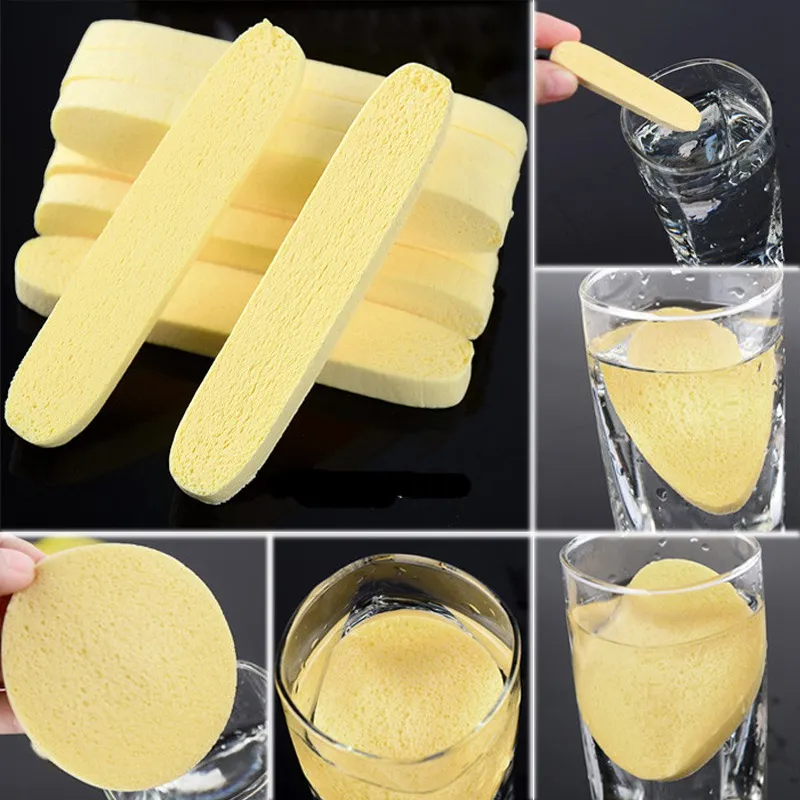
Cellulose sponges are a versatile option that's great for everyday cleaning tasks. Made from natural materials like wood pulp and cotton fibers, these sponges are eco-friendly and biodegradable. They're also absorbent and durable, making them perfect for wiping down surfaces and soaking up spills.
One thing to keep in mind is that cellulose sponges tend to harbor bacteria, so it's important to replace them frequently and sanitize them after each use. You can do this by microwaving a damp sponge for 30 seconds or running it through the dishwasher on the top rack.
2. Microfiber Sponges
Microfiber sponges are a popular choice for cleaning because of their ability to trap dirt and dust particles. These sponges are made from a blend of polyester and nylon fibers that are woven together to create a soft, absorbent material.
Microfiber sponges are great for cleaning up messes on surfaces like countertops and floors. They're also a good choice for cleaning delicate surfaces like glass and electronics because they're gentle and won't scratch or damage the surface.
3. Scrub Sponges
Scrub sponges are designed for tougher cleaning jobs that require more elbow grease. They have abrasive surfaces that can help remove stubborn stains and grime from surfaces like pots and pans, stovetops, and bathroom fixtures.
Scrub sponges come in different levels of abrasiveness, so it's important to choose the right one for the job. If you're cleaning a delicate surface like a non-stick pan, you'll want to use a sponge with a gentler scrubbing surface to avoid damaging the coating.
4. Natural Sponges
Natural sponges are harvested from the ocean and are a renewable resource. They're soft and absorbent, making them a great option for washing dishes and cleaning surfaces. However, natural sponges can be expensive and don't last as long as synthetic sponges.
It's also important to note that natural sponges can harbor bacteria and should be sanitized regularly. To clean a natural sponge, soak it in a mixture of water and vinegar for five minutes, then rinse it thoroughly and let it dry.
5. Magic Erasers
Magic erasers are a type of sponge that's made from melamine foam. They're known for their ability to remove tough stains and marks from surfaces like walls, baseboards, and shoes.
Magic erasers work by breaking down the surface layer of the material they're cleaning, so it's important to use them carefully. They can be abrasive and may scratch or damage some surfaces. It's also recommended to wear gloves when using magic erasers since they can irritate the skin.
2. Best sponge for each task
General Cleaning
If you're looking for a sponge for general cleaning tasks, such as wiping down counters or cleaning appliances, a cellulose sponge is a great option. These sponges are made from natural materials, such as wood pulp or cotton, and are highly absorbent. They are also durable and can be used multiple times before needing to be replaced.
For tougher jobs, such as cleaning grime off of stovetops or removing stuck-on food from dishes, a scrubber sponge may be more appropriate. These sponges have a rough side that is designed to scrub away stubborn stains and grime, while the softer side is suitable for gentle cleaning.
Bathroom Cleaning
When it comes to cleaning your bathroom, you'll want a sponge that is tough on grime but gentle enough not to scratch surfaces. A non-scratch scrubber sponge is a good choice for cleaning bathroom fixtures, such as sinks, toilets, and showers. These sponges have a rough surface that is effective at removing dirt and grime, but won't damage delicate surfaces.
For cleaning tile and grout, a grout sponge is an excellent option. These sponges are specifically designed for cleaning grout lines and have a unique shape that allows them to reach into tight corners. They are also highly absorbent, making them perfect for wiping down wet surfaces.
Kitchen Cleaning
When it comes to cleaning the kitchen, there are several sponges to choose from, depending on the task at hand. For general cleaning, a cellulose sponge or a non-scratch scrubber sponge will work well. However, if you're looking to clean up spills and messes quickly, a microfiber sponge may be the best option. These sponges are incredibly absorbent and can hold up to seven times their weight in liquid.
For cleaning pots and pans, a heavy-duty scrubber sponge is recommended. These sponges have a rough surface that is effective at removing burnt-on food and stains. However, be sure to use a non-scratch scrubber sponge on non-stick cookware to avoid damaging the surface.
Dishwashing
When it comes to washing dishes, a sponge with a non-abrasive surface is essential. A cellulose sponge or a non-scratch scrubber sponge are both good options for dishwashing. However, some people prefer to use a silicone sponge, which is durable and easy to clean. These sponges are also bacteria-resistant, making them ideal for use in the kitchen.
Final Thoughts
3. Sponge care and maintenance
Sponge Types
Before we dive into sponge care and maintenance, let's take a look at the different types of sponges available:
1. Cellulose Sponges: These are the most common type of sponge found in households. They are made from natural cellulose fibers, which are derived from wood pulp. They are absorbent, durable, and can be used for a variety of cleaning tasks. Cellulose sponges come in different shapes and sizes and can be used for both wet and dry cleaning.
2. Synthetic Sponges: These sponges are made from synthetic materials such as polyester or nylon. They are more durable than cellulose sponges and can withstand heavy-duty cleaning tasks. Synthetic sponges are also resistant to bacteria and odors, making them ideal for kitchen use.
3. Natural Sea Sponges: These sponges are harvested from the sea and are 100% natural. They are environmentally friendly and biodegradable. Natural sea sponges are very absorbent and gentle on delicate surfaces. They come in different sizes and shapes and can be used for a variety of cleaning tasks.
4. Scrub Sponges: These sponges have a scrubbing pad attached to one side, which makes them ideal for heavy-duty cleaning tasks. They can be used to scrub pots and pans, grills, and other tough surfaces.
Sponge Care and Maintenance
To get the most out of your sponges, it's important to take care of them properly. Here are some tips for sponge care and maintenance:
1. Rinse Thoroughly: After each use, rinse your sponge thoroughly with hot water. This will help remove any food particles or debris that may be stuck to the sponge.
2. Sanitize Regularly: To prevent the growth of bacteria and mold, sanitize your sponge regularly. You can do this by soaking the sponge in a mixture of water and vinegar or bleach for a few minutes.
3. Replace When Needed: Sponges should be replaced every few weeks or when they start to show signs of wear and tear. If you notice any foul odors or discoloration, it's time to replace your sponge.
4. Store Properly: To prevent the growth of bacteria, store your sponge in a dry, well-ventilated area. Avoid storing your sponge in a damp or dark place, as this can promote bacterial growth.
5. Use Different Sponges for Different Tasks: To prevent cross-contamination, it's important to use different sponges for different cleaning tasks. For example, use one sponge for washing dishes and another for cleaning counters.
6. Don't Use Sponges on Hot Surfaces: Sponges should not be used on hot surfaces, as they can melt or become damaged. Use a heat-resistant scrubber instead.
Conclusion
In conclusion, choosing the right sponge for cleaning is important for achieving effective and efficient cleaning results. By understanding the different types of sponges available and taking proper care of them, you can ensure that your sponges last longer and perform better. Remember to rinse and sanitize your sponges regularly, store them properly, and replace them when needed. With these tips, you can keep your home clean and healthy while also being environmentally conscious.
Buy Now
See More: Wholesale Products
Recommended related content
What are the Best Car Cats for Traveling? A Comprehensive Guide
What are the Best Pyjamas for Women: A Comprehensive Guide
What are the Best Duffel Bags for Traveling? A Comprehensive Guide
What Are the Best T-Shirts for Print? A Comprehensive Guide
What Are the Best Chair Covers for Weddings? A Comprehensive Guide.
