
A Beginner's Guide to Designing Your Own Tote Bag
Upload time :September 20, 2023
Shares
Reads
Designing your own tote bag can be a fun and rewarding experience. The first step is choosing the right fabric that aligns with your style and preferences. This article will cover different types of fabrics, their durability, and how they affect the overall look of the tote bag. Once you've selected your fabric, it's time to measure and cut it according to the desired size and shape of your tote bag. Essential sewing techniques such as hemming, stitching, and finishing will be covered, whether you're using a sewing machine or sewing by hand. Personalization options like embroidery and applique will also be explored. Finally, adding a lining, attaching handles, and adding hardware will bring your tote bag together. With these tips, you'll leave with a completed tote bag that reflects your style and personality.See More: Maximizing Small Space Gardens with Vertical Gardening Techniques
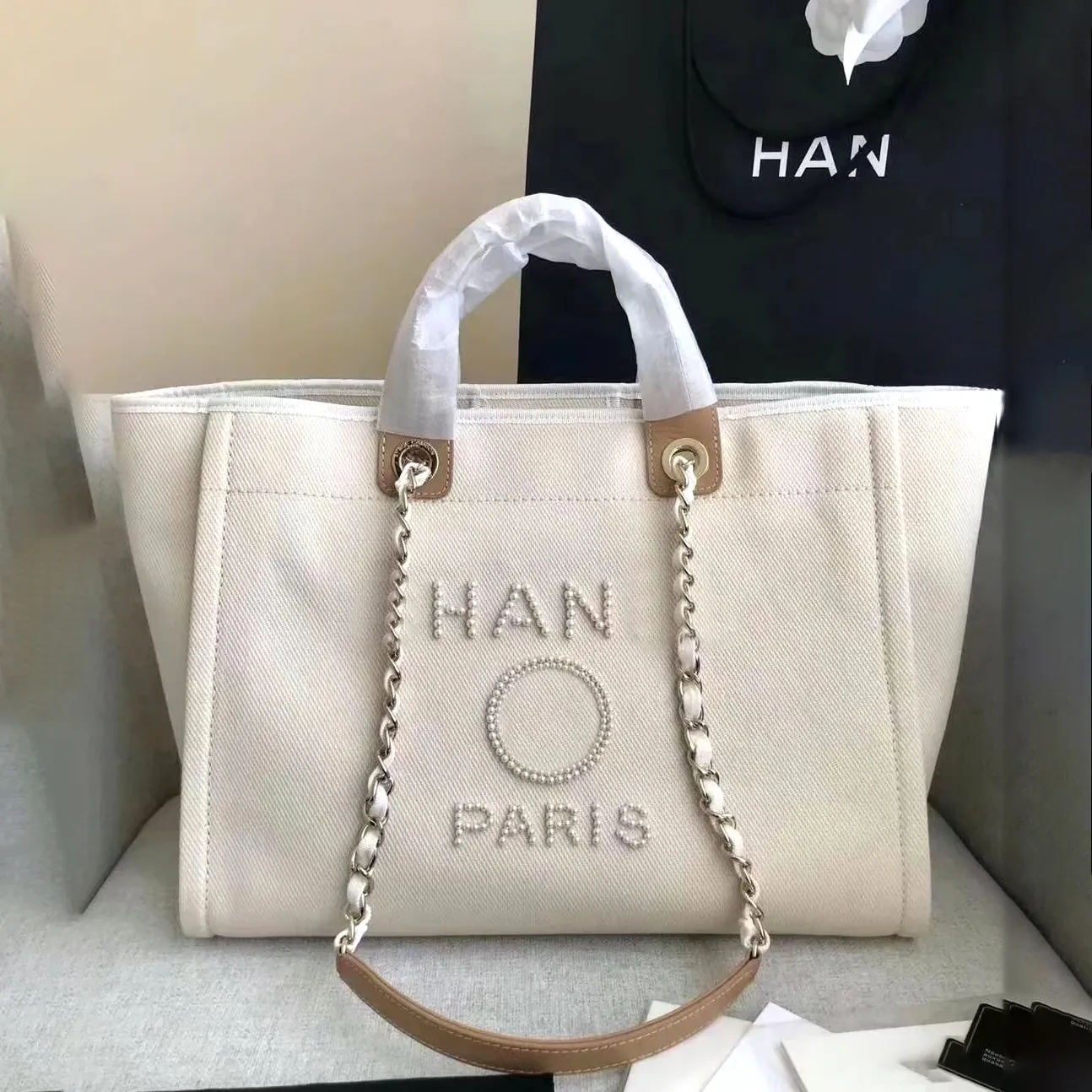
Buy Now
See More: Wholesale Products
Choosing the Right Fabric
Cotton
Cotton is a popular choice for tote bags due to its versatility and affordability. It is soft, durable, and easy to work with, making it ideal for beginners. Additionally, cotton comes in a variety of weights, from lightweight muslin to heavy canvas, giving you options depending on the intended use of your tote bag.
Canvas
Canvas is a heavy-duty cotton material that is commonly used for tote bags. It is known for its durability and strength, making it an excellent choice for everyday use. Canvas comes in a range of weights, with the thickest being the most sturdy. However, keep in mind that thicker canvas may be more difficult to sew and may require a heavier-duty sewing machine.
Polyester
Polyester is a synthetic material that is durable and water-resistant, making it an excellent choice for tote bags that may be exposed to the elements. It is also lightweight and easy to clean, making it an ideal option for travel or outdoor activities.See More: What are the Best Women's Camo Pants for Outdoor Activities?
Nylon
Nylon is another synthetic material that is strong and water-resistant. It is often used for tote bags due to its durability and ability to withstand wear and tear. Nylon is also lightweight and easy to clean.
Leather
Leather is a classic material that is luxurious and durable. It adds a touch of sophistication to any tote bag design. However, leather can be expensive and may require special care to maintain its quality over time.
Measuring and Cutting the Fabric
Designing your own tote bag can be a fun and rewarding experience, but in order to create a high-quality product, it's important to measure and cut your fabric accurately. Whether you're a seasoned crafter or a beginner, here are some tips for measuring and cutting your fabric that will help you achieve professional results.
Measuring the Fabric:
Before you start cutting, you'll need to determine the size of your tote bag. Consider what you'll be carrying in your bag, and how much space you'll need to accommodate those items. Once you've settled on your dimensions, use a tape measure to mark the length and width of your fabric.
It's essential to measure the fabric accurately, as any mistakes at this stage will affect the final product. When measuring, ensure that you're using a flat surface and that the fabric is smooth. For more precise measurements, consider using a rotary cutter and a clear ruler.
Cutting the Fabric:
Once you have measured your fabric, it's time to cut it to size. This is where many people make mistakes, so it's important to take your time and follow these tips for successful cuts.
First, lay out your fabric on a clean and flat surface. Double-check your measurements before you start cutting, and mark the cutting line with a chalk or fabric marker. Using sharp scissors or a rotary cutter, carefully cut along the marked line, ensuring that the edges remain even and straight.
If you're cutting multiple pieces of fabric, it's important to keep them aligned throughout the process. Pinning the fabric together can help prevent shifting and ensure that your pieces match up perfectly.
When working with tricky fabrics such as leather or vinyl, it's important to use the correct tools and techniques for cutting. A rotary cutter can be especially helpful when cutting through thick materials, as it allows for a precise cut without damaging the fabric.
Sewing Techniques
Hemming is perhaps one of the most important sewing techniques as it helps prevent fabric from fraying and gives the tote bag a polished look. To hem the edges of your tote bag, start by folding the fabric over by ¼ inch, then fold it over again by another ¼ inch and press the fold in place with an iron. This technique creates a clean edge that can be secured with a straight stitch or a zigzag stitch if working with a fabric that frays easily.
Next, stitching is crucial for creating a sturdy and long-lasting tote bag. Using a sewing machine is the easiest option for stitching, but it's also possible to sew by hand. When using a sewing machine, make sure to choose the right needle and thread for your fabric, and adjust the tension accordingly. It's also essential to secure the beginning and end of each stitch to prevent unraveling. For hand-sewing, use a backstitch for strength and durability.
Finally, finishing is an essential sewing technique that adds a professional touch to any tote bag. There are many ways to finish a tote bag, such as adding a lining, a pocket, or a zipper closure. Lining a tote bag not only adds strength and durability but also allows you to add a pop of color or pattern to your design. A pocket is a convenient addition that allows you to store smaller items without having to dig through the main compartment of the tote bag. And a zipper closure provides extra security and ensures your belongings do not spill out of the bag.
Adding Personal Touches
Embroidery is a popular way to add a personal touch to your tote bag. You can embroider your name, initials, or a design onto the fabric using thread in a variety of colors. There are many embroidery designs available online, or you can create your own. Embroidering your tote bag not only adds a personal touch, but it also makes your bag stand out from the rest.
Applique is another method for personalizing your tote bag. Applique involves cutting out fabric shapes and sewing them onto your tote bag. This is a great way to add a pop of color or texture to your bag. You can use different fabrics, such as cotton, felt, or denim, and create your own designs or use pre-made ones.
Adding other embellishments to your tote bag can also make it unique to your style. You can use fabric paint to create patterns or designs on your bag, or add beads, sequins, or patches. This is a fun way to add some personality to your tote bag and make it truly your own.
When designing your tote bag, it's important to consider the purpose of the bag. If you plan on using it for grocery shopping or carrying heavy items, you may want to choose a sturdy canvas fabric and reinforce the handles. If you plan on using it as a fashion accessory, you may want to choose a more lightweight fabric and add decorative elements, such as tassels or fringe.See More: Comparing Shoe Prices: Online vs. In-Store Shopping Pros and Cons
In addition to personalizing your tote bag, designing your own bag also allows you to be eco-friendly. Many tote bags are made from sustainable materials, such as organic cotton or recycled fabrics. By using a reusable tote bag instead of plastic bags, you're reducing your carbon footprint and helping to protect the environment.See More: he benefits of choosing organic cotton green t-shirts for women: Healthier for you and the environmen
Final Touches and Finishing
The first step in giving your tote bag the final touches is adding a lining. A lining adds durability and stability to the bag, preventing it from sagging or stretching out of shape. Additionally, a lining provides a clean and professional finish to the interior of the bag.
To add a lining, begin by cutting a piece of fabric that is the same size as the outer fabric of the tote bag. Then, sew the lining to the bag along the top edge, right sides facing each other. Leave a gap at the bottom of the lining to turn the bag right side out. Once the bag is turned right side out, slip stitch the gap closed.
Next, attach the handles to the bag. Handles can be made from a variety of materials such as leather, webbing, or fabric. To attach the handles, fold them in half and place them on the top edge of the bag, about 3 inches from the side seams. Sew the handles in place, reinforcing the stitching for added durability.
Adding hardware to the tote bag can give it a polished and professional look. Hardware such as snaps, rivets, or grommets can be used to reinforce stress points or add a decorative element. For example, adding grommets to the top of the bag can provide a way to cinch the bag closed, while adding a snap closure can keep items secure inside.See More: The Benefits of Using Metal Curtain Grommets Over Plastic Ones
Finally, consider adding any additional embellishments or personal touches to the tote bag. This could be embroidery, applique, or even a removable tassel. Adding these details can make the bag truly unique and reflect your personal style.
In conclusion, giving your tote bag the final touches and finishing is an important step in completing the project. Adding a lining, attaching handles, and adding hardware can provide durability, functionality, and a professional finish. Personalizing the bag with additional embellishments can make it truly one-of-a-kind. With these final touches, your tote bag will be ready to carry all your essentials in style.
FAQ
Q: What materials do I need to make a tote bag?
A: To make your own tote bag, you will need fabric for the outer layer and lining, interfacing (optional), thread, pins, scissors, a ruler, a sewing machine or needle and thread, and any decorative elements you want to add.
Q: Can I customize my tote bag design?
A: Yes! The great thing about making your own tote bag is that you can customize it however you like. You can choose your own fabric, add pockets or zippers, and even add embellishments such as embroidery or applique.
Q: Do I need prior sewing experience to make a tote bag?
A: No, a beginner can easily make a tote bag with some basic sewing skills. However, it is important to have a good understanding of how to operate a sewing machine or stitch by hand. Following a tutorial or taking a beginner-level sewing class can help you get started.
Q: How can I ensure that my tote bag is sturdy and durable?
A: To ensure that your tote bag is sturdy and durable, choose a sturdy fabric such as canvas or denim and use interfacing to give it extra structure. Reinforce the seams and stress points with extra stitching and double-stitch the handles for added strength.
Recommended related content
The Ultimate Guide to Choosing the Perfect Tote Gym Bag
beginner's guide to using a bamboo toothbrus
A Beginner's Guide to Understanding and Using Labradorite in your Daily Life"
How do capsule machines work? A beginner's guide to brewing your own coffee
