
Revolutionize Your Shopping Experience with Scara Robot Technology
Upload time :September 8, 2023
Shares
Reads
- Increased efficiency and productivity - Scara robots can work faster and more consistently than humans for repetitive tasks like stocking shelves, checking inventory, moving products, etc. This improves workflow efficiency.
- Enhanced accuracy - Scara robots utilize precise programming to perform tasks consistently with minimal errors. Their ability to scan barcodes and identify products accurately helps reduce inventory discrepancies.
- Improved customer service - By automating mundane tasks, retail staff can dedicate more time to directly assisting and interacting with customers on the sales floor. This improves the overall customer experience.
- Flexible deployment - Scara robots have a small footprint and can operate in tight spaces. This allows retailers to deploy them on shelves, in stockrooms, warehouses etc. without major remodeling.
- Safety - Scara robots operate within a defined workspace and avoid collisions using sensors. This makes them safe to work alongside humans.
- Cost savings - Although the upfront investment is significant, Scara robots provide long-term cost savings by reducing the need for large teams of floor staff. Their 24/7 operation also optimizes labor costs.
- Scalability - Retailers can start with a few Scara units and scale up or down as needed for the workload. The modular nature makes adoption simpler.
- Limited flexibility - Scara robots are pre-programmed for specific tasks and may not have the adaptability of human workers to handle new, unexpected situations.
- Lack of fine motor skills - While good for repetitive pick-and-place tasks, Scara robots lack human-level dexterity for delicate jobs like garment folding, detailed product assembly, etc.
- Physical size constraints - The robotic arm work envelope is quite small so Scaras aren't well-suited for large products or pallet/case movement.
- Technology integration challenges - It takes effort to integrate Scara robots with existing retail IT systems like inventory management, POS, databases, etc.
- High upfront costs - The investment needed for Scara robots, integration, maintenance is significant for retailers. Scaling too quickly can be financially risky.
- Perception limitations - Scaras rely on fixed sensors/cameras and struggle with complex perception and situational awareness compared to people.
- Lack of human judgment - Robots can't assess problems and make situational decisions like people can. Human oversight is still needed.
- Limited customer service skills - Scara robots lack natural language processing and emotional intelligence to properly interact with customers.
- Shelf scanning - Scaras equipped with cameras can regularly scan shelves to identify missing/out-of-stock items. This data can feed into inventory systems.
- Restocking - One of the most common uses is using Scaras to pick items from the backroom and restock store shelves efficiently.
- Unloading trucks - Scara arms can rapidly unload boxes and cases from delivery trucks to get products out on the floor.
- Checking prices - Scanning and verifying shelf pricing tags to ensure accuracy.
- Bagging at checkout - Some retailers use Scara arms to bag products at checkout, working alongside cashiers.
- Automated checkout - Using Scara arms to scan, bag and process payments for customer purchases independently.
- Inventory retrieval - Bringing requested items from warehouse shelves or backroom storage to employees.
- Autonomous floor cleaning - Cleaning floor spills and debris without human involvement.
- Robotic warehouses - Collaborating with mobile robots to pick, pack and ship orders in warehouses.
- In-store guides - Using Scaras as movable info kiosks to assist shoppers in finding products.
- Securityenhanced monitoring - Combining Scara mobility and sensors for proactive store monitoring.
Summary: In this blog, we will discuss how using scara robot Technology can revolutionize your shopping experience. We will explore the advantages and limitations of using this technology in retail settings. Additionally, we will examine some of the current and potential uses of Scara Robot Technology in the retail industry.
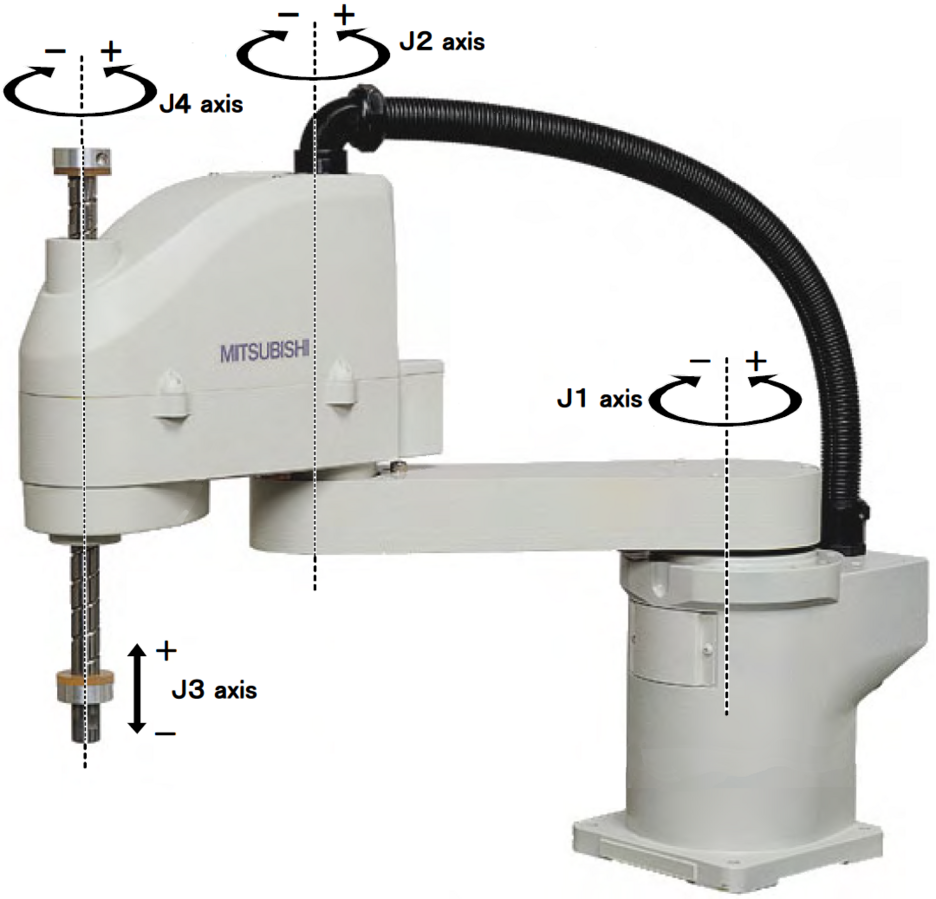
Advantages of Scara Robot Technology in Retail Settings
Scara Robot Technology has many advantages for retailers that are looking to improve their customer experience. Some of these advantages include increased efficiency, speed, and accuracy in carrying out tasks such as restocking shelves and checking inventory levels. Retailers can also save on labor costs by using Scara Robot Technology to automate certain tasks. Additionally, with the help of these robots, retailers can free up their employees to focus on serving customers in the store.
In summary, Scara robots can help retailers boost productivity, accuracy, safety and customer satisfaction. The benefits typically outweigh the investment needed to implement this technology.
Limitations of Scara Robot Technology in Retail Settings
Despite the numerous advantages, there are also some limitations associated with using Scara Robot Technology in a retail setting. For example, these robots may not be able to perform certain tasks that require a high level of precision or human judgment. Additionally, robots may not be able to fully replace human interaction and customer service. As a result, retailers need to carefully evaluate the benefits and limitations of Scara Robot Technology before implementing it in their stores.
So in summary, while Scaras excel at repetitive, precise tasks in retail, they aren't a magic bullet. Retailers have to weigh the benefits against limitations before adopting this technology. A hybrid approach with both robots and human staff is likely ideal.
Current and Potential Uses of Scara Robot Technology in Retail Industry
There are several current and potential uses of Scara Robot Technology in the retail industry. For example, some retailers are experimenting with using robots to provide customers with additional product information or to help customers locate items in the store. Other retailers have implemented robots to perform inventory checks and restocking shelves. In addition, retailers are using these robots for tasks such as cleaning floors and taking out the trash. As the technology continues to improve, we can expect to see even more uses for Scara Robot Technology in the retail industry.
Current uses:
Potential future uses:
As costs decrease and safety/capabilities improve, Scara adoption in retail will continue increasing to optimize operations. But human-robot collaboration will be key.
Questions and Answers:
Q1: Can Scara Robots replace human employees in retail stores?
A: While Scara Robots can automate certain tasks in retail stores, they cannot fully replace human employees. Human interaction and customer service are still essential in creating a positive shopping experience.
Q2: What types of products can Scara robots handle?
A: Scara robots excel at handling lightweight products that don't require grasping from multiple angles. This includes packaged foods, toiletry items, apparel, electronics and more. Heavier or oddly shaped items may be more challenging.
Q3: How accurate are Scara robots?
A: Scara robots are capable of highly accurate, repeatable movements due to their rigid arm structure. Typical repeatability is within 0.02mm for pick and place applications. This allows them to precisely interact with retail objects.
 Buy NowSee More: Wholesale Products
