
How to Choose the Best Portable Camping Stoves: A Comprehensive Guide.
Upload time :December 11, 2023
Shares
Reads
If you're planning a camping trip and want to cook delicious meals in the great outdoors, you'll need a portable camping stove that fits your needs. In this comprehensive guide, we will cover everything you need to know about choosing the best portable camping stove for your next adventure. First, we'll review the different types of camping stoves available, such as backpacking stoves, propane stoves, and wood-burning stoves. Then, we'll discuss fuel sources, including canister fuel, liquid fuel, and wood. Size and weight considerations are also important, as you don't want to be lugging around a heavy stove on your back. We'll review the features to look for, such as wind resistance and burner control, and provide safety tips for using camping stoves. With this guide, you'll be able to choose the perfect portable camping stove to make your next trip a success!
1. Types of portable camping stoves
Camping is a wonderful way to escape the hustle and bustle of everyday life, connect with nature, and enjoy some quality time with family and friends. The key to a successful camping trip is being prepared, and that includes having a reliable portable camping stove that can cook your meals efficiently and safely. With so many different types of camping stoves available on the market, it can be overwhelming to choose one that suits your needs. In this article, we'll take a closer look at the different types of portable camping stoves and provide some tips on how to choose the best one for you.
Types of Portable Camping Stoves
1. Propane Camping Stoves - These are the most popular type of camping stove as they are lightweight, easy to use, and provide consistent heat. They typically run on small propane canisters that are readily available and can easily be replaced when empty. These stoves come in various sizes and styles, from compact single-burner stoves to large double-burner stoves that are ideal for group camping.
2. Liquid Fuel Camping Stoves - These stoves are fueled by white gas, also known as Coleman fuel, which is a highly refined form of gasoline. They are more versatile than propane stoves and can operate in extreme weather conditions. However, they require more maintenance and can be more challenging to use, particularly for beginners.
3. Multi-Fuel Camping Stoves - These stoves can run on a variety of fuels, including propane, white gas, kerosene, and even diesel. They are versatile and adaptable to different climates and altitudes; however, they tend to be more expensive than single-fuel stoves.
4. Wood-Burning Camping Stoves - These stoves burn wood as fuel, making them an eco-friendly and cost-effective option. They are perfect for wilderness camping where there is an abundance of natural fuel sources. However, they can be challenging to use and require more effort to set up and maintain.
5. Solid-Fuel Camping Stoves - These stoves use compressed fuel tablets or pellets as their fuel source. They are lightweight, easy to use, and don't require any special equipment. However, they burn quickly and may not provide enough heat for cooking larger meals.
Factors to Consider When Choosing a Portable Camping Stove
1. Size - The size of the stove will depend on the number of people you'll be cooking for and the type of camping trip you're planning. If you're going solo or with a small group, a compact single-burner stove should suffice. For larger groups, a double-burner stove will make meal prep more efficient.
2. Weight - If you're backpacking or hiking to your campsite, weight is a crucial factor. Choose a lightweight stove that won't add too much weight to your backpack.
3. Fuel Availability - Consider the availability of fuel sources in the area you'll be camping. If you're camping in a remote area with limited access to fuel, a wood-burning or solid fuel stove may be the best option.
4. Ease of Use - Look for a stove that is easy to set up and use, particularly if you're a beginner. A stove with simple controls and intuitive design will make cooking stress-free.
5. Durability - Choose a stove made with high-quality materials that can withstand wear and tear. Look for stoves with sturdy legs and wind guards that can withstand harsh weather conditions.
Conclusion
Choosing the right portable camping stove can make all the difference in your camping experience. Consider the size, weight, fuel availability, ease of use, and durability when selecting a stove. Whether you prefer the convenience of propane stoves or the eco-friendliness of wood-burning stoves, there's a camping stove out there that suits your needs. With the right portable camping stove, you can enjoy hot meals and drinks while exploring the great outdoors.
2. Fuel sources for camping stoves
When it comes to planning a camping trip, one of the most important things to consider is what kind of portable camping stove you will need. A good camping stove can make all the difference between a successful and enjoyable trip and a disastrous one.
However, with so many different types of camping stoves available on the market, it can be difficult to know where to start when it comes to choosing the best option for your needs. One of the key factors to consider when selecting a camping stove is the fuel source that it uses.
In this article, we will take a closer look at the different types of fuel sources that are commonly used in camping stoves and provide some guidance on how to choose the best option for your needs.
Propane stoves are one of the most popular types of camping stoves. They are easy to use, reliable, and can be found at most outdoor retailers. Propane stoves typically come in two different forms – those that use small propane canisters and those that use larger refillable propane tanks.
The smaller propane canisters are ideal for short camping trips or weekend getaways, as they are lightweight and easy to transport. However, they may not be the best choice for longer trips, as you may need to bring multiple canisters with you.
Refillable propane tanks, on the other hand, are better suited for longer trips, as they can be refilled at most outdoor stores. They are also more cost-effective over the long term, as you only need to purchase the tank once and then refill it as needed.
Butane Stoves
Butane stoves are another popular option for camping stoves. They are similar to propane stoves in terms of their ease of use and reliability but use a different type of fuel. Butane stoves use small butane canisters, which are typically less expensive than propane canisters.
However, butane stoves can be more challenging to use in colder temperatures or at higher elevations, as the pressure in the canisters may fluctuate. This can cause the flame to become weaker or even go out completely.
Alcohol Stoves
Alcohol stoves are a more lightweight and compact option for camping stoves. They are typically made from materials such as aluminum or titanium and use denatured alcohol as a fuel source.
One of the benefits of alcohol stoves is that they are extremely lightweight and don't require any bulky canisters or tanks to operate. They are also relatively inexpensive and easy to find at most outdoor stores.
However, alcohol stoves can be slower to heat up and may not be as powerful as propane or butane stoves. They are also more sensitive to wind or cold temperatures, which can impact their efficiency.
Wood Burning Stoves
For those who are looking for a more eco-friendly and sustainable option, wood-burning stoves may be a good choice. These stoves use wood or other natural materials as a fuel source and are often highly efficient.
One of the benefits of wood-burning stoves is that they are extremely versatile. You can use them to cook food, boil water, or even heat your tent on cold nights. They are also comparatively lightweight and don't require any additional fuel canisters or tanks.
However, wood-burning stoves can be more challenging to use in areas where there is a fire ban in place. They can also be more time-consuming to set up and may require more effort to keep the fire going.
Conclusion
Choosing the right fuel source for your camping stove can be a challenging decision. However, by considering factors such as the length of your trip, the conditions you will be camping in, and your budget, you can identify the best option for your needs.
Whether you opt for a propane stove, a butane stove, an alcohol stove, or a wood-burning stove, there is a camping stove out there that will meet your requirements and help you make the most of your outdoor adventure.
3. Size and weight considerations
When it comes to camping, one of the most important things to consider is what type of stove you will be bringing. A portable camping stove is an essential piece of equipment that can make your outdoor adventure much more comfortable and enjoyable. There are many different types of stoves available on the market today, and each has its own advantages and disadvantages. In this guide, we will focus on the size and weight considerations when choosing the best portable camping stoves.
Size and Weight Considerations
When choosing a portable camping stove, size and weight are two of the most critical factors to consider. The ideal stove for you will depend largely on how you plan to use it, as well as your personal preferences and needs.
First, let's talk about size. When it comes to portable camping stoves, there are generally two sizes to choose from – compact and full-size. Compact stoves are smaller and lighter, making them easier to carry around. However, they may not be as powerful as full-size stoves, which means they may take longer to cook your food. Full-size stoves, on the other hand, are larger and more powerful, making them ideal for cooking larger meals or for groups of people.
If you're planning a backpacking trip or need to save space in your camping gear, then a compact stove might be the best choice for you. These stoves are lightweight and easy to pack, making them perfect for those who are traveling light. Compact stoves also tend to be less expensive than full-size stoves, making them a great budget option.
However, if you're going car camping or have plenty of room in your gear, then a full-size stove might be a better choice. Full-size stoves tend to be more powerful, which means they can cook food faster and more efficiently. They also come with more features, such as multiple burners and wind guards, making them more versatile.
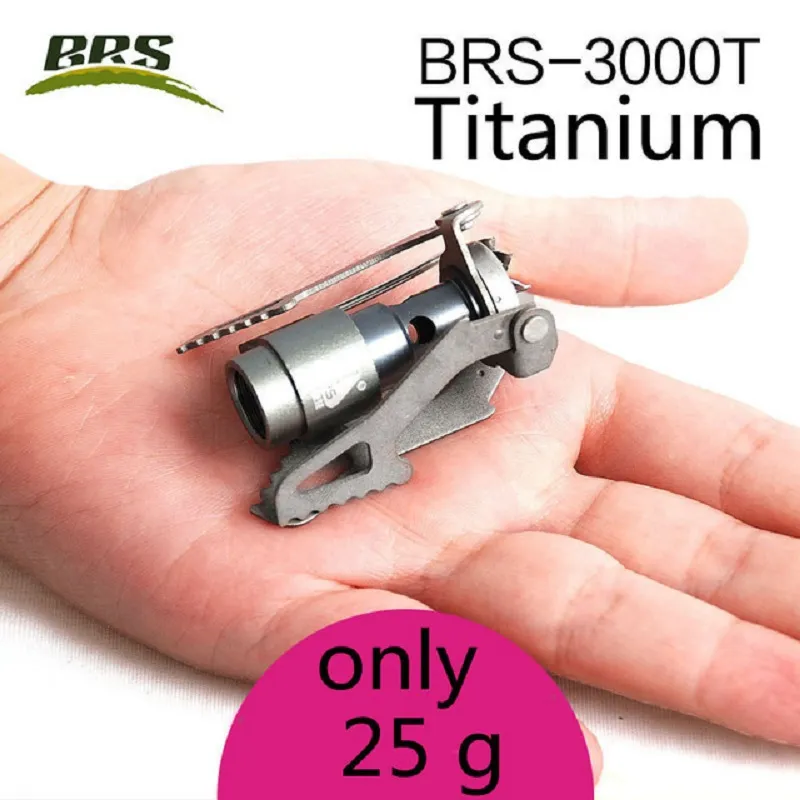
Now, let's talk about weight. When it comes to camping stoves, every ounce counts. The heavier the stove, the harder it will be to carry around, especially if you're hiking long distances. If you're backpacking, then you'll want to choose a stove that is as lightweight as possible. Look for stoves that are made from lightweight materials like titanium or aluminum. These materials are durable and strong but weigh significantly less than other metals like stainless steel.
Another consideration when it comes to weight is the fuel source. Different fuels have different weights, which can impact the overall weight of your stove. For example, propane tanks are relatively heavy, while butane canisters are lighter. Liquid fuel stoves, while heavier, offer the advantage of being refillable, saving you money in the long run.
In addition to size and weight, you'll also want to consider other factors when choosing a portable camping stove. These include:
- Fuel efficiency: How much fuel does the stove use? Is it efficient, or will you need to carry extra fuel?
- Heat output: How hot does the stove get? Does it have adjustable heat settings?
- Durability: Is the stove made from high-quality materials that can withstand rugged outdoor conditions?
- Ease of use: Is the stove easy to set up and use, even if you're not an experienced camper?
- Price: How much does the stove cost? Does it fit within your budget?
Conclusion
Choosing the right portable camping stove is essential for a successful camping trip. Whether you're backpacking or car camping, considering size and weight is crucial. Compact stoves are great for backpacking, while full-size stoves are ideal for car camping or group trips. Additionally, lightweight materials like titanium and aluminum are great for reducing weight. Fuel efficiency, heat output, durability, ease of use, and price are other factors to consider. By carefully evaluating these factors, you can choose the best portable camping stove for your needs and enjoy a comfortable, hassle-free camping experience.
4. Features to look for
When it comes to camping, having the right equipment is crucial for a successful trip. One of the most important pieces of gear you'll need is a portable camping stove. With so many options on the market, how do you choose the best one for your needs? This comprehensive guide will walk you through the features to look for when selecting a camping stove.
1. Fuel Type
The first thing to consider when choosing a camping stove is the fuel type. There are three main options: propane, butane, and liquid fuel. Propane and butane stoves are easy to use and readily available in canisters. Liquid fuel stoves, on the other hand, require more setup and maintenance but offer better performance in cold weather.
Propane and butane stoves are great for car camping or short backpacking trips where weight isn't a concern. If you're going on a longer trip or plan to camp in cold weather, a liquid fuel stove may be a better option.
2. Burner Style
Camping stoves come in two main burner styles: traditional and integrated. Traditional burners have a separate fuel source and burner head, while integrated burners combine both components into one unit.
Traditional burners offer more versatility since you can use them with different types of fuel sources and adjust the flame height to your liking. Integrated burners are more compact and easier to set up, making them a great choice for backpacking or minimalist camping.
3. Size and Weight
The size and weight of the camping stove you choose will largely depend on your camping style. If you're car camping and have plenty of space, a larger stove may be more appropriate. However, if you're backpacking or have limited space, a smaller, lightweight stove will be more practical.
Keep in mind that smaller stoves may not have as much cooking power, so you may need to adjust your cooking times accordingly. Consider the number of people you'll be cooking for and the types of meals you'll be preparing when choosing a stove size.
4. Cooking Power
The cooking power of a camping stove is measured in BTUs (British Thermal Units). The higher the BTU rating, the faster the stove will boil water and cook food. However, higher BTUs also mean a greater fuel consumption rate.
When choosing a camping stove, consider the types of meals you'll be preparing and how quickly you need them cooked. If you're only boiling water for coffee or tea, a lower BTU stove may be sufficient. However, if you're cooking elaborate meals, you'll want a stove with a higher BTU rating.
5. Wind Resistance
Wind can significantly impact the performance of a camping stove. Look for a stove with wind-resistant features like a built-in windshield or side panels. These features will help protect the flame from gusts of wind and ensure consistent heating.
6. Ease of Use
A camping stove should be easy to set up, light, and adjust. Look for stoves with simple controls and clear instructions. Some stoves also feature a push-button ignition, which eliminates the need for matches or a lighter.
7. Price
The price of a camping stove will vary depending on the features and quality. While it's tempting to opt for a cheaper model, keep in mind that a low-quality stove may not perform well or last as long as a higher-end model.
Consider your budget and how often you plan to use the stove when choosing a model. If you're a frequent camper, investing in a high-quality stove may be worth the extra cost.
Conclusion
Choosing the right camping stove is essential for a successful camping trip. When selecting a stove, consider factors like fuel type, burner style, size and weight, cooking power, wind resistance, ease of use, and price.
By taking these features into account, you can select a camping stove that meets your needs and ensures enjoyable outdoor cooking experiences.
5. Safety tips for using camping stoves
When it comes to selecting the best portable camping stove, there are several factors to consider. From fuel type to weight, size, and features, each element can impact your camping experience. However, one of the most crucial aspects that most people overlook is safety. Camping stoves can be dangerous if not handled correctly, especially when used in a confined space or around combustible materials like tents. Therefore, before you set out on your next camping trip, it is essential to follow these safety tips for using camping stoves.
1. Familiarize yourself with your stove
Before you head out into the wilderness, make sure you know how to operate your stove. Read the instructions manual carefully and practice assembling and disassembling it. If possible, do a quick test run at home to ensure everything is working correctly. Pay attention to any warning labels, such as "hot surface" or "flammable," and follow the manufacturer's guidelines for use.
2. Choose a safe location
When choosing a spot to set up your camping stove, avoid areas with low-hanging branches, dry grass or foliage, and anything else that could catch fire quickly. Select a flat, stable surface where the stove won't tip over, and keep it away from other equipment, such as chairs and tables. If you're cooking inside a tent, make sure there's sufficient ventilation, and keep the stove at least three feet away from the walls. Never cook inside a closed tent or vehicle, as this could lead to carbon monoxide poisoning.
3. Use the right fuel
Different camping stoves require different types of fuel. Some models run on propane, others on butane, and others on liquid fuel. Before purchasing a stove, research which type of fuel is readily available in the areas you plan to camp in and choose a model that uses it. Once you have your stove, make sure to use only the recommended fuel and never attempt to mix fuels.
4. Store fuel safely
When storing fuel for your camping stove, keep it in a cool, dry place away from direct sunlight and heat sources. Ensure the fuel container is tightly sealed and labeled correctly. Never store fuel near food or clothing, and don't bring more fuel than you need.
5. Keep a fire extinguisher handy
Accidents can happen even when you take all the necessary precautions. Therefore, it's crucial to have a fire extinguisher nearby in case of emergency. Make sure everyone knows how to use it and keep it within reach of the cooking area.
In conclusion, using a camping stove can be an excellent way to enjoy hot meals while exploring the great outdoors. However, safety should always come first. By following these tips, you can reduce the risk of accidents and ensure a safe and enjoyable camping experience.
Buy Now
See More: Wholesale Products
Recommended related content
How to Choose the Perfect Party Chair Covers: A Comprehensive Guide
How to Choose the Best Gamer Computers: A Comprehensive Guide.
How to Choose the Best Game Controller: A Comprehensive Guide
How to Choose the Best Inflatable Pool Rings: A Comprehensive Guide
How to Choose the Best Portable Hammock Chair: A Comprehensive Guide
