
How to Choose the Best Lamp for Camping: A Comprehensive Guide in 2023.
Upload time :August 31, 2023
Shares
Reads
If you're planning a camping trip this year and want to make sure you have the best lighting possible, then you need to read our comprehensive guide on how to choose the best lamp for camping in 2023. This guide covers all the important factors you need to consider when choosing a camping lamp, including the different types of lamps available, their brightness and battery life, portability and durability factors, and additional features that can enhance your camping experience. We'll take you through each of these factors in detail, providing you with all the information you need to make an informed decision about which lamp is right for your needs. So whether you're a seasoned camper or new to the great outdoors, our guide has got you covered. Don't leave your lighting needs to chance, read our guide today and get the best lamp for your next camping trip!
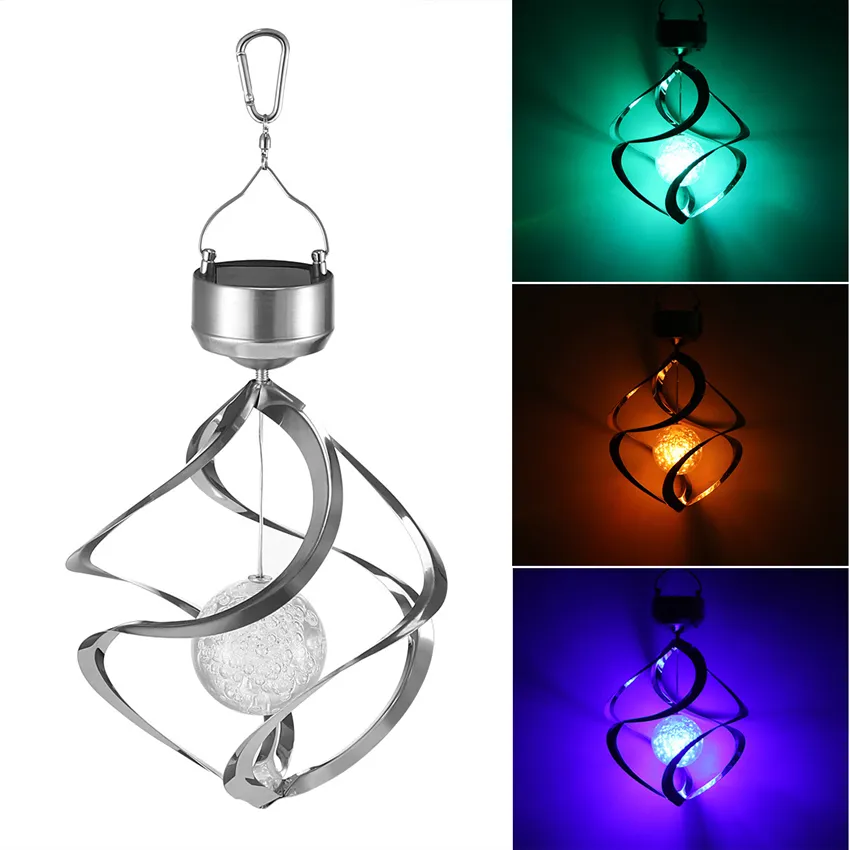 Buy NowSee More: Wholesale Products
1. Types of lamps for camping.
1. Types of lamps for camping
There are several types of lamps for camping, each with its own unique features and benefits. Here's a breakdown of the most common types:
a. Lanterns
Lanterns are the most popular type of camping lamp, and for good reason. They provide plenty of light for cooking, reading, or playing games in the dark. Most lanterns use LED bulbs, which are energy-efficient and long-lasting. Some lanterns are also rechargeable, making them a more eco-friendly option. Lanterns come in various sizes and shapes, from compact models that fit in your backpack to larger ones that illuminate your entire campsite. If you're looking for a versatile and reliable camping lamp, a lantern is a great choice.
b. Headlamps
Headlamps are another popular option for camping, especially if you need hands-free lighting. They are worn on the head and typically have adjustable straps to fit comfortably around your head. Most headlamps use LED bulbs, making them energy-efficient and long-lasting. Headlamps are ideal for activities like hiking, fishing, or setting up camp in the dark. They also come in handy if you need to use the bathroom at night or check on your tent mates without disturbing them.
c. Flashlights
Flashlights are a classic camping accessory that never goes out of style. They are small, easy to carry, and provide a focused beam of light. Most flashlights use LED bulbs, which are energy-efficient and long-lasting. Flashlights come in various sizes and shapes, from compact models that fit in your pocket to larger ones that produce a bright beam of light. They are perfect for navigating dark trails, finding lost items, or looking for firewood after sunset.
d. String lights
String lights are a fun and festive way to light up your campsite. They are battery-powered and come in various lengths and shapes. Some string lights are even solar-powered, making them a more eco-friendly option. String lights are ideal for creating a cozy and inviting atmosphere at your campsite. They are perfect for hanging inside your tent or strung up between trees. If you want to add some ambiance to your camping experience, string lights are a great choice.
2. Factors to consider when choosing a lamp for camping
When choosing a lamp for camping, there are several factors to consider. Here are some of the most important ones:
a. Size and weight
The size and weight of your camping lamp are crucial factors to consider, especially if you're backpacking or hiking to your campsite. You want a lamp that is lightweight and compact enough to fit in your backpack. Lanterns and flashlights are typically smaller and lighter than headlamps, making them a better option for backpacking.
b. Brightness and battery life
Brightness and battery life are also important factors to consider. You want a lamp that provides enough light for your needs but doesn't drain your batteries too quickly. Look for lamps with adjustable brightness settings and long-lasting batteries. LED bulbs are the most energy-efficient and long-lasting, so look for lamps that use them.
c. Durability and weather resistance
Durability and weather resistance are crucial factors to consider, especially if you're camping in harsh conditions. Look for lamps that are waterproof, shockproof, and made of durable materials. Lanterns and flashlights are typically more durable than headlamps, which have more moving parts that can break.
d. Price
Price is always a factor to consider when choosing a camping lamp. Lanterns and headlamps tend to be more expensive than flashlights and string lights, but they also provide more features and benefits. Decide how much you're willing to spend and choose a lamp that fits your budget.
3. Conclusion
2. Brightness and battery life considerations.
Brightness
One of the most important factors to consider when choosing a camping lamp is brightness. You want a lamp that provides enough light to see by without being too harsh or blinding. Most lamps provide a range of brightness levels, so you can adjust the illumination according to your needs. Some lamps even offer multiple modes, including high, low, and strobe settings, to give you even more flexibility.
When choosing a lamp's brightness, you'll also want to consider the size of your campsite. If you're camping in a large area, you may need a brighter lamp to cover more ground. Conversely, if you're camping in a small tent, a less powerful lamp may suffice.
Battery Life
Another critical factor to consider is battery life. A camping lamp that runs out of juice in the middle of the night can leave you stranded in the dark. You'll want to choose a lamp that provides ample battery life to last throughout your camping trip.
Some lamps run on rechargeable batteries, while others take disposable batteries. Rechargeable batteries are excellent for reducing waste and ensuring you have power when you need it. However, they require access to electricity to charge, which may not be feasible if you're camping in a remote area. Disposable batteries, on the other hand, are easy to replace and don't need charging. However, they can add up in terms of cost and environmental impact over time.
Durability
Camping lamps are exposed to a wide range of weather conditions, from rain and wind to extreme temperatures. You'll want to choose a lamp that can withstand these elements and continue to provide reliable performance.
Look for lamps made from durable materials such as plastic or aluminum, which can withstand wear and tear. Additionally, make sure the lamp has a sturdy base to prevent it from tipping over in windy conditions.
Size and Weight
When camping, every ounce counts, so you don't want to carry around a heavy and bulky lamp. Look for a lamp that is lightweight and compact enough to fit in your camping gear without taking up too much space.
Portability is especially important if you plan to go backpacking or hiking with your lamp. A smaller and more lightweight lamp will be easier to carry with you and won't add unnecessary weight to your pack.
Ease of Use
Finally, consider how easy the lamp is to use. Look for lamps with simple controls and intuitive button placement, so you can quickly adjust the brightness and switch between modes without fumbling around in the dark.
Additionally, some lamps come with additional features such as hooks or clips, allowing you to hang them from a tent or tree branch. These features can be useful for creating hands-free illumination while you cook or set up camp.
In Conclusion
3. Portability and durability factors.
Portability Factors to Consider
When you're camping, you don't want to carry around bulky, heavy equipment. Portability is a crucial factor to keep in mind when choosing a camping lamp. Here are some aspects to consider:
1. Size and Weight: Look for lamps that are compact and lightweight, so they are easy to pack and won't weigh down your backpack. Avoid larger models that may be more cumbersome to carry.
2. Battery Life: Make sure the lamp's battery life is long enough to last throughout your trip. You don't want to be constantly replacing batteries or running out of power in the middle of the night.
3. Charging Options: Consider how you will recharge the lamp's battery. Some models have built-in rechargeable batteries that can be charged via USB or solar power, while others require disposable batteries. If you're going to be off the grid for an extended period, make sure you have a backup charging option.
4. Transport Options: Look for lamps that come with a carrying case or straps that make them easy to transport. This feature will also protect the lamp from damage during transit.
Durability Factors to Consider
Camping lamps must be able to withstand the rigors of outdoor use. Here are some factors to consider when assessing durability:
1. Water Resistance: Since camping often involves being exposed to the elements, look for lamps that are waterproof or at least water-resistant. This feature will protect the lamp from rain or accidental splashes.
2. Impact Resistance: Camping gear inevitably gets bumped and jostled during use, so look for a lamp that has durable construction and can withstand impact.
3. Material Quality: Check the materials used to make the lamp. High-quality plastics or metals like aluminum will last longer and resist wear and tear better than cheaper materials.
4. Heat Resistance: Lamps that generate heat can pose a fire hazard if they come into contact with flammable materials like tents or sleeping bags. Look for lamps with heat-resistant housing that keep heat away from other items in your campsite.
Top Lamp Recommendations for Camping
Now that you know what to look for in a camping lamp, here are three top recommendations that offer portability and durability:
1. Black Diamond Spot Lite 160: This headlamp is perfect for camping and hiking thanks to its compact size and impressive brightness. The Spot Lite 160 offers 160 lumens of light and has a battery life of up to 60 hours on low mode. It's also water-resistant and can withstand drops and impacts.
2. Goal Zero Crush Light Solar Lantern: This portable lantern is perfect for camping since it's solar-powered and collapsible for easy transport. It provides up to 60 lumens of light and can run for up to 35 hours on a single charge. The Crush Light is also water-resistant and made from durable materials.
3. BioLite BaseLantern XL: For those who want a more advanced lighting system, the BioLite BaseLantern XL is an excellent choice. This lantern provides 500 lumens of light and has a built-in 12,000mAh battery that can charge your phone or other devices. It's also water-resistant and made from rugged materials.
Conclusion
4. Additional features to enhance your camping experience.
1. Consider the Type of Lamp
The first thing to consider when choosing a camping lamp is what type of lamp will best suit your needs. There are several different types of lamps available, each with their own advantages and disadvantages.
- Lanterns: Lanterns are a popular choice for camping because they provide bright, even light and are easy to carry around. They are also fairly inexpensive and can be found at most outdoor retailers.
- Headlamps: Headlamps are another popular option for camping because they allow you to have both hands free while still providing adequate light. They are also lightweight and easy to pack.
- Flashlights: Flashlights are a classic camping staple and come in a variety of sizes and styles. They are generally smaller than lanterns or headlamps, making them a good choice for backpacking trips.
2. Look for Long Battery Life
When shopping for a camping lamp, it's important to look for one that has a long battery life. The last thing you want is to be left in the dark in the middle of the night because your lamp ran out of batteries. Look for lamps that use LED lights, as these tend to be more energy-efficient and can provide up to 100 hours of light on a single set of batteries.
3. Consider the Size and Weight
Another important factor to consider when choosing a camping lamp is the size and weight. If you're planning on carrying your lamp in a backpack, you'll want to choose one that is compact and lightweight. Lanterns tend to be bulkier than headlamps or flashlights, so keep this in mind when making your decision.
4. Additional Features to Enhance Your Camping Experience
Finally, there are several additional features you may want to consider when choosing a camping lamp. These can include:
- Dimmer settings: Some lamps come with dimmer settings, allowing you to adjust the brightness to your liking.
- Red light mode: Red light mode is a popular feature on camping lamps because it helps preserve your night vision. This can be especially helpful if you need to get up in the middle of the night to use the bathroom or check on something outside.
- USB charging: If you're planning on using your lamp for an extended period of time, you may want to choose one that can be charged via USB. This can be especially useful if you're camping in an area with access to electricity.
Overall, choosing the best lamp for camping requires careful consideration of your needs and preferences. By taking the time to research different types of lamps and considering factors such as battery life and size, you can ensure that you choose a lamp that will enhance your camping experience and provide reliable light when you need it most.
