
10 Hockey Slang Terms Every Fan Should Know
Upload time :September 8, 2023
Shares
Reads
Hockey is a sport with its own unique language, and understanding the slang can enhance your enjoyment of the game. This blog post will cover ten essential hockey slang terms that every fan should know, including their meanings and origins.
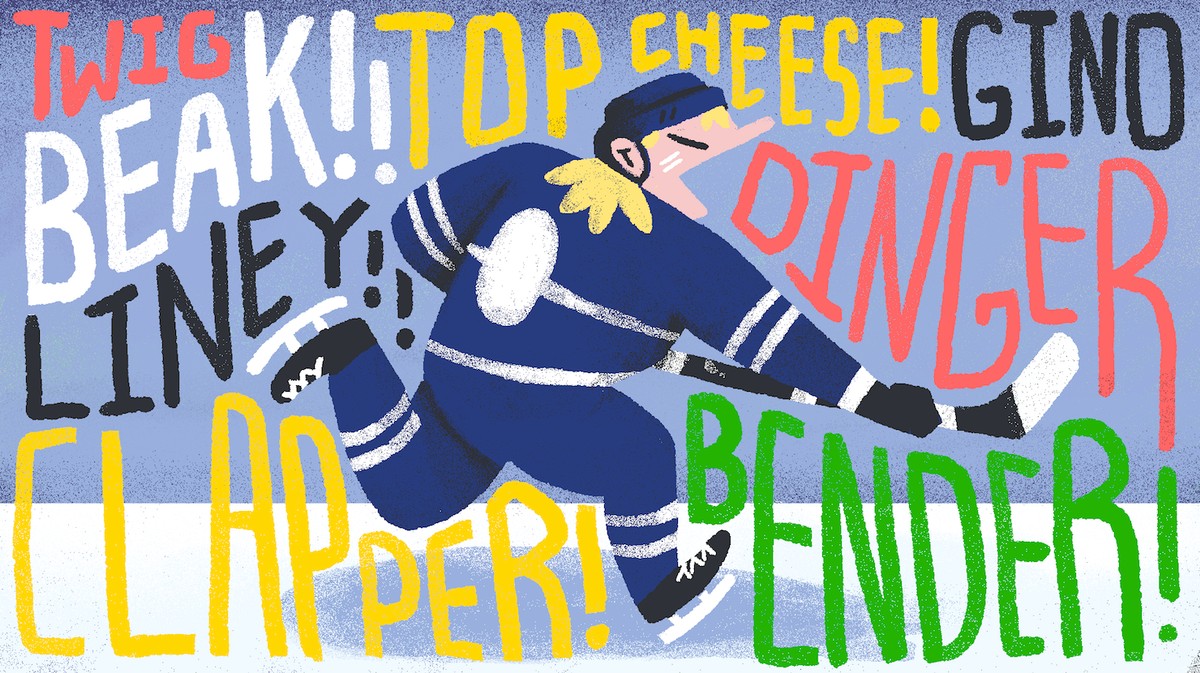
What is Hockey Slang?
Hockey slang refers to the unique vocabulary and expressions used within the sport of hockey. It is a collection of terms, phrases, and jargon that players, coaches, and fans use to communicate and describe various aspects of the game. Here are some common examples of hockey slang:
Barn: Refers to a hockey arena or rink where games are played.
Biscuit: Slang for the puck.
Dangle: To skillfully handle or stickhandle the puck past an opponent.
Flow: Refers to a player's long and flowing hair, often seen flowing out of the back of their helmet.
Gongshow: Describes a chaotic or intense situation, often used to describe a rough or physical game.
Grinder: A hardworking player who excels at physical play and is known for their work ethic.
Sauce: To make a pass, especially a saucer pass, where the puck is lifted off the ice to avoid defenders.
Snipe: To score a goal with a well-placed and accurate shot.
Top Shelf: Refers to the top part of the net, often used to describe a goal that is scored in the top corner of the net.
Wheel: To skate fast or move quickly on the ice.
Beauty: A term used to describe a skilled player or a great play.
Chirp: To engage in playful trash talk or banter with opponents or teammates.
Puck Bunny: A term used to describe an overly enthusiastic fan, particularly one who is primarily interested in players' looks or personal lives.
Bar Down: Describes a shot that hits the crossbar and then goes into the net, often used to describe a well-placed shot.
Sauce Boss: Refers to a player who excels at making accurate and skillful passes.
These are just a few examples of the many hockey slang terms used within the sport. Hockey slang varies by region and level of play, and new terms can emerge over time as the game evolves.
Top 5 Hockey Slang Terms for Players
Sniper: A player known for their exceptional shooting accuracy and ability to score goals consistently.
Grinder: A hardworking player who excels at physical play, forechecking, and creating scoring opportunities through sheer effort and determination.
Enforcer: A player whose primary role is to protect teammates by engaging in physical confrontations and fighting opponents when necessary.
Playmaker: A player with exceptional vision and passing skills, known for setting up scoring opportunities for their teammates.
Two-Way Player: A player who excels both offensively and defensively, contributing to the team's success at both ends of the ice.
These terms are commonly used to describe players' specific roles, skills, and styles of play within the game of hockey.
Top 5 Hockey Slang Terms for Fans
Puckhead: A term used to describe a die-hard hockey fan who is extremely passionate about the sport.
Barn Burner: Refers to an exciting and high-scoring game that keeps fans on the edge of their seats.
The Sin Bin: Slang for the penalty box, where players serve time for infractions. Fans may use this term to cheer on their team when an opponent is penalized.
Give 'Em the Lumber: Refers to a physical play or a hard check delivered by a player. Fans may use this term to express their appreciation for a big hit.
Hat Trick: When a player scores three goals in a single game, fans often throw their hats onto the ice as a celebration. The term "hat trick" is used to describe this achievement.
These terms are commonly used by fans to express their excitement, support, and understanding of the game. They contribute to the unique and passionate culture surrounding hockey fandom.
Questions and Answers:
Q1: Where did hockey slang originate?
A: Hockey slang, like many sports-specific jargon, has evolved over time within the hockey community. It originated as a way for players, coaches, and fans to communicate and describe various aspects of the game in a concise and often colorful manner. The exact origins of specific hockey slang terms can be challenging to trace, as they often emerge organically within the hockey culture.
Some hockey slang terms may have originated from regional dialects or local hockey communities. For example, terms used in Canadian hockey culture may have different origins than those used in American or European hockey circles. Additionally, certain slang terms may have been popularized by influential players, coaches, or media personalities, further spreading their usage within the hockey community.
Over the years, hockey slang has become ingrained in the sport's culture, passed down from generation to generation of players and fans. It continues to evolve as new terms emerge and existing ones take on new meanings or variations. The shared experiences and camaraderie within the hockey community contribute to the development and spread of hockey slang.
Q2: Do all hockey teams use the same slang terms?
A: Hockey slang terms can vary among different teams and regions. While there are some widely recognized and commonly used terms within the hockey community, certain slang terms may be more prevalent in specific areas or among certain teams.
Hockey slang often develops within the unique culture of each team and can be influenced by factors such as regional dialects, team traditions, and the personalities of players and coaches. This can result in variations in slang terms used by different teams.
However, there are also many universal hockey slang terms that are widely understood and used across the hockey community. These terms often relate to gameplay, positions, and common situations within the sport. Examples include terms like "power play," "breakaway," or "backcheck," which are commonly used and understood by hockey players and fans regardless of the team or region.
Overall, while there may be some variations in hockey slang among different teams, there is also a shared vocabulary and understanding within the broader hockey community.
Q3: Can understanding hockey slang improve my ability to predict game outcomes?
A: While knowing hockey slang can certainly enhance your understanding of the game, it is not necessarily a predictor of game outcomes.
 Buy NowSee More: Wholesale Products
