
How to Choose the Best Leather Straps for Bags: A Comprehensive Guide.
Upload time :December 7, 2023
Shares
Reads
When it comes to choosing the best leather straps for bags, there are several important factors to consider. This comprehensive guide provides a step-by-step approach to help you make an informed decision. Firstly, understanding the types of leather straps available is crucial. From braided to woven and flat to round, each style has its unique features and benefits. Secondly, durability and quality should also be taken into account, as these factors will impact the lifespan of the strap. Color and style coordination is another essential aspect to consider, ensuring that the strap complements the bag's design. Additionally, selecting the right buckles and hardware can enhance the overall look and functionality of the strap. Lastly, comfort and functionality considerations are critical, particularly if the bag is intended for everyday use. By following these guidelines, you'll be able to choose the best leather straps for your bags with ease.
1. Types of leather straps
1. Types of Leather Straps
a) Full-Grain Leather Straps
Full-grain leather straps are made from the top layer of the hide, which is the most durable and robust part of the animal's skin. The grain of the leather is left intact, giving the strap a natural texture and unique pattern. Full-grain leather straps are known for their strength, durability, and resistance to moisture and stains. They are perfect for bags that need to withstand rough handling or outdoor use.
b) Top-Grain Leather Straps
Top-grain leather straps are made from the second layer of the hide, just below the full-grain layer. The surface of the leather is sanded down to remove imperfections, resulting in a smoother finish than full-grain leather. Top-grain leather straps are less expensive than full-grain leather straps but still offer excellent durability and strength. They are perfect for bags that require a sleeker look than full-grain leather.
c) Genuine Leather Straps
Genuine leather straps are made from the lower layers of the hide, which are thinner and less durable than full-grain or top-grain leather. The surface of genuine leather is often treated with chemicals to create a uniform texture and color. While genuine leather straps are less expensive than full-grain or top-grain leather, they are also less durable and prone to cracking and peeling over time.
d) Bonded Leather Straps
Bonded leather straps are made from scraps of leather that are glued and pressed together to create a new material. The surface of bonded leather is often coated with a synthetic material to give it a smooth and uniform appearance. Bonded leather straps are the least expensive option but offer little durability or strength. They are best suited for bags that are used infrequently or for decorative purposes.
2. Factors to Consider When Choosing Leather Straps for Bags
a) Durability
Durability is an essential factor to consider when choosing leather straps for bags. Full-grain leather straps are the most durable and can withstand rough handling and exposure to moisture and stains. Top-grain leather straps also offer excellent durability but may show signs of wear and tear more quickly than full-grain leather. Genuine leather straps and bonded leather straps are less durable and prone to cracking and peeling over time.
b) Aesthetics
The appearance of the leather strap is another critical factor to consider when choosing leather straps for bags. Full-grain leather straps have a natural texture and unique pattern that gives them a rustic and timeless look. Top-grain leather straps offer a sleeker appearance but lack the natural texture of full-grain leather. Genuine leather straps and bonded leather straps have a uniform texture and color but may look artificial.
c) Cost
Cost is also an important consideration when selecting leather straps for bags. Full-grain leather straps are the most expensive option but offer the best value for money due to their durability and longevity. Top-grain leather straps are less expensive than full-grain leather but still offer excellent value for money. Genuine leather straps and bonded leather straps are the least expensive option but offer little value for money due to their poor durability and strength.
Conclusion
2. Durability and quality
Durability
When it comes to buying leather straps, durability is a crucial factor to consider. You don't want to buy a strap that wears out after a few uses, leaving you with an unusable bag. Here are factors to consider when selecting durable leather straps:
1. Leather type
The type of leather used to make the strap determines its durability. Some types of leather are stronger than others, making them more suitable for heavy-duty bags. Full-grain, top-grain, and vegetable-tanned leather are some of the most durable types of leather. They are thicker and have natural oils that make them resistant to water and scratches.
2. Stitching
The stitching technique used to join the leather pieces also plays a vital role in the strap's durability. A well-stitched leather strap will last longer than a poorly stitched one. Look for straps with reinforced stitching or double-stitching, especially around the attachment points. The stitching should be tight and even, without any loose threads.
3. Hardware
The hardware used to attach the leather strap to the bag also affects its durability. Choose straps with sturdy metal or brass hardware that won't rust or break easily. The hardware should also match the size and weight of the bag to prevent tearing or stretching.
Quality
The quality of a leather strap determines its appearance, texture, and feel. A high-quality leather strap not only looks good but also feels comfortable and soft to touch. Here are factors to consider when selecting quality leather straps:
1. Leather grade
The grade of leather used to make the strap affects its quality. Full-grain leather is the highest quality leather because it retains the natural grain and character of the hide. It has a smooth texture, rich color, and unique patterns that enhance the strap's beauty. Top-grain leather is also a good quality leather, although it is smoother and less textured than full-grain leather.
2. Finish
The finish applied to the leather strap also affects its quality. A good quality leather strap should have a natural finish that allows the leather's natural grain and color to show through. Avoid straps with glossy or plastic-like finishes that look cheap and fake. The finish should also be water-resistant and scratch-resistant to protect the leather from damage.
3. Thickness
The thickness of the leather strap affects its quality and durability. A good quality leather strap should be thick enough to provide support and structure to the bag. Thinner straps tend to stretch and tear easily, compromising the bag's strength. However, the thickness should not be too bulky or heavy, as it may affect the bag's comfort and usability.
Conclusion
3. Color and style coordination
1. Consider the Bag Style
The first thing to consider when choosing the best leather straps for bags is the style of the bag itself. Different bags require different types of straps. For example, a messenger bag may require a longer strap that can be worn across the body, while a tote bag may require shorter straps that can be carried by hand or on the shoulder. Make sure to choose a strap that fits the style of the bag and is comfortable to wear.
2. Look at the Material
Another factor to consider when choosing the best leather straps for bags is the material of the strap itself. Leather straps come in a variety of materials, including full-grain leather, top-grain leather, and genuine leather. Full-grain leather is the highest quality and most durable option, while genuine leather is less expensive but not as durable. Choose a leather strap that is made from high-quality materials to ensure it lasts for years to come.
3. Color and Style Coordination
Finally, one of the most important factors to consider when choosing the best leather straps for bags is color and style coordination. There are several things to keep in mind when it comes to color and style coordination:
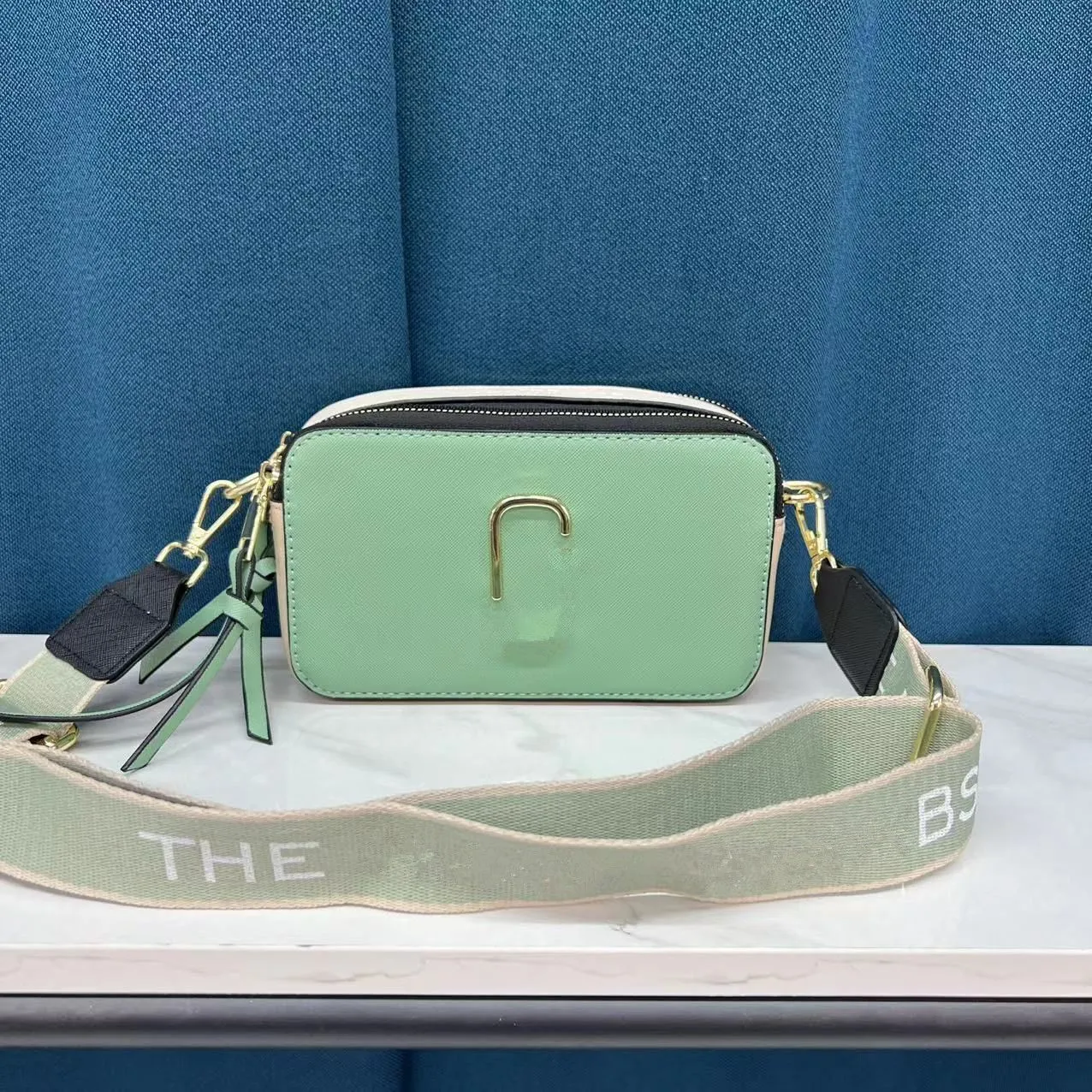
Match the Bag Color: When choosing a leather strap for your bag, it's important to match the color of the strap to the color of the bag. This creates a cohesive look that is visually appealing. If your bag is black, choose a black leather strap. If your bag is brown, choose a brown leather strap.
Consider the Hardware: Another thing to consider when it comes to color and style coordination is the hardware on the strap. Make sure the hardware matches the hardware on the bag. For example, if your bag has gold hardware, choose a leather strap with gold hardware.
Think About the Style: Finally, consider the overall style of the bag when choosing a leather strap. If your bag is classic and timeless, choose a leather strap that is also classic and timeless. If your bag is modern and trendy, choose a leather strap that reflects that style.
4. Buckles and hardware selection
Here are some tips on how to select the best hardware for your leather bag straps:
1. Consider the size of your bag
The size of your bag will determine the size of the hardware you need. If you have a small clutch or purse, you may only need a small buckle or clasp. However, if you're creating a larger messenger bag or tote, you'll need more substantial hardware to provide support and stability.
2. Choose high-quality materials
When selecting your buckles and hardware, it's essential to pick high-quality materials that will hold up over time. Look for solid brass or stainless steel options that won't rust or corrode. Additionally, consider the finish of the hardware. Do you want a shiny, polished look, or something more matte and understated?
3. Match the style of your bag
Your hardware should match the style of your bag. For example, if you're making a vintage-inspired crossbody bag, you may want to use antique brass hardware to complement the aesthetic. Alternatively, if you're creating a sleek, modern tote, you may prefer stainless steel hardware with a polished finish.
4. Choose functional hardware
While aesthetics are important, you also need to consider the functionality of your hardware. Make sure your buckles and clasps are easy to use and secure. You don't want to be struggling to close your bag or having your hardware break under the weight of your belongings.
5. Consider the placement of your hardware
Finally, think about the placement of your hardware. It's not just about attaching your straps to your bag; you may also need additional hardware for adjustable straps or closures. Make sure you have a clear plan for where your hardware will go before you begin your project.
5. Comfort and functionality considerations
One of the most important considerations when choosing a leather strap for your bag is comfort. After all, if the strap isn't comfortable to wear, you're not going to want to use the bag very often. So how can you choose a leather strap that's both stylish and comfortable?
Here are some tips to help you make the right decision:
1. Look for soft, supple leather
The first thing to consider when choosing a leather strap for your bag is the quality of the leather itself. You want to look for a soft, supple leather that will be comfortable against your skin. Avoid stiff or rigid leathers, as they can be uncomfortable to wear for extended periods of time.
2. Consider the width of the strap
The width of the strap is also an important consideration when it comes to comfort. A wider strap will distribute the weight of the bag more evenly across your shoulder or back, reducing pressure points and discomfort. However, a wider strap may not be as stylish as a narrower one, so you'll need to decide which is more important to you.
3. Choose a padded strap
If you're planning to carry a heavy bag, a padded strap can provide extra cushioning and support. Look for straps that are padded with foam or other materials that will conform to your body and provide added comfort.
4. Check the length of the strap
The length of the strap is another important consideration. If the strap is too short, the bag will sit too high on your body, causing discomfort and strain. If the strap is too long, the bag will hang too low and may swing around uncomfortably as you walk. Ideally, the strap should be adjustable so you can find the perfect length for your body.
5. Look for additional features
Finally, consider any additional features that might increase comfort and functionality. For example, some leather straps come with built-in pockets for your phone or other small items, so you don't have to rummage through your bag to find them. Others may have detachable shoulder pads that you can remove when you don't need them.
Ultimately, choosing the best leather strap for your bag will depend on your personal preferences and needs. By considering factors like the type and quality of leather, the width and length of the strap, and any additional features, you can find a strap that's both stylish and comfortable to wear.
Buy Now
See More: Wholesale Products
Recommended related content
How to Choose the Best Wood for Guitars: A Comprehensive Guide
How to Choose the Best Lures for Fishing: A Comprehensive Guide
How to Choose the Best Glass Frames for Men: A Comprehensive Guide
How to Choose the Best Latches for Doors: A Comprehensive Guide
How to Choose the Best Materials for Sewing: A Comprehensive Guide
