
How to Choose the Perfect Oil Lamp for Your Home Decor
Upload time :September 7, 2023
Shares
Reads
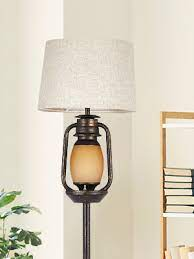
The Warm Glow of Oil Lamps - A Comprehensive Guide
Oil lamps have become an increasingly popular decorative accent for homes due to their vintage appeal and rustic ambience. When the proper oil lamp is incorporated into a room's design, it can add coziness and a historical touch. With so many options on the market, it can be challenging to select the perfect oil lamp for your needs. This comprehensive guide will explore the nuances of oil lamp types, important factors to consider when choosing a lamp, safety and maintenance best practices, and extra tips to help you pick the ideal oil lamp for your home.
Types of Oil Lamps
Not all oil lamps are created equal. There are a few main categories that have distinct features and fuel sources.
Antique Oil Lamps
Antique oil lamps are cherished for their history and elaborate designs. Most antique lamps date back to the Victorian era and earlier. These lamps are made from materials like fine glass, metals such as brass or bronze, and may have hand-painted details. Antique lamps may use fuels like whale oil, lard oil, or kerosene. Their unique shapes include hurricane lamps, railroad lamps, candle lamps, and more. Those seeking an authentic vintage aesthetic will treasure finding the perfect antique oil lamp from an earlier era.
Kerosene Oil Lamps
Kerosene lamps are likely the most common variety purchased today. They burned kerosene as a fuel source and provided a decent amount of illumination in a compact form. Many kerosene lamps are designed to be portable, making them ideal for camping trips, outdoor activities, and emergency preparedness kits. Basic kerosene lamps have a fuel reservoir, adjustable wick, glass chimney, and metal base. More ornamental kerosene lamps may feature colorful glass fonts, metal detailing, and creative bases. Kerosene lamps burn cleanly without much odor or smoke.
Liquid Paraffin Oil Lamps
For a cleaner burning lamp with less frequent maintenance needs, liquid paraffin lamps are a great option. They operate very similarly to kerosene lamps, but with liquid paraffin as the fuel source instead. Liquid paraffin, sometimes referred to as lamp oil, burns slowly and efficiently. It produces minimal soot or unpleasant smells when burning. Most liquid paraffin lamps can be used safely indoors since their flames are essentially smoke-free. These lamps come in all sorts of shapes, materials, and sizes to suit any decorative purpose.
Factors to Consider When Selecting an Oil Lamp
Purpose and Functionality
Before purchasing an oil lamp, think about how you plan to use it. Will it serve as a decorative fixture only or do you want the lamp to provide useful illumination? Tabletop hurricane lamps can brighten a living room end table or bedroom nightstand nicely. Hanging rail lamps often give off more directional light. For those using the lamp daily, prioritize function over form.
Size and Style
Be sure to evaluate the size of the oil lamp and whether its style suits your existing decor. Smaller lamps around 3-6 inches work well on shelves, mantels, and tabletops. Larger floor standing lamps can make a bold statement. The style of the lamp should coordinate with your interior design, whether that's modern, farmhouse, coastal, or another aesthetic.
Quality and Durability
Seek out lamps made of quality materials like brass, copper, or thick blown glass. Avoid any with brittle plastic or thin fragile components. High quality lamps will last longer with routine care. It can also be worth investing in a lamp with removable dishwasher-safe parts for easier cleaning. Carefully inspect the wick, font, fuel reservoir, lid, and base for defects before purchasing.
Safety Tips for Oil Lamp Use
Oil lamps provide ambient lighting, but they can also pose fire risks if not used properly. Follow these tips for safe operation of your oil lamp:
Place on a sturdy nonflammable surface away from anything combustible
Never leave a burning lamp unattended
Keep lamps out of reach from children and pets
Avoid moving a lit lamp
Allow lamp to fully cool before refueling
Extinguish flame before going to sleep or leaving a room
Keep a fire extinguisher accessible in the lamp's vicinity
QA:
Q1: I've seen some beautiful scented oils in the store, can I use these in my antique oil lamp to make the room smell nice when it's lit?
A: While scented oils may seem appealing to use in your vintage oil lamp, it is strongly advised against using scented oils as fuel. The perfumes and aromatic compounds in scented oils can clog up the wick over time. This makes it difficult for the fuel to travel up the wick and hampers the lamp's ability to burn properly. Clogged wicks are more likely to emit more smoke and soot. The scented additives can also accumulate in the fuel reservoir and within the lamp itself, making cleaning more difficult. And because scented oils may not burn as cleanly and efficiently as standard lamp oils, they increase the risk of your lamp having issues like an erratic flame, unpleasant smell when lit, and potential fire hazards. For the safety of your antique lamp and your home, it's best to use only unscented lamp oils recommended for your specific lamp model by the manufacturer. Using the right fuel will help your decorative lamp burn as intended.
Q2: I just purchased a beautiful antique hurricane lamp for my dining room table. How long can I expect it to burn on a full reservoir of fuel?
A: The burning time of antique hurricane lamps and other decorative oil lamps depends on a few factors: the size of the fuel reservoir, type of fuel used, and the adjustments of the wick. On average, a hurricane lamp sized for home use can burn for approximately 6-8 hours when full of a clean-burning lamp oil and the wick is properly trimmed and adjusted. Smaller oil lamps and ones meant for portability may only burn for 2-4 hours. On the other end, some larger floor standing lamps or outdoor lighting could illuminate up to 18 hours before needing a refill. Kerosene and other less viscous fuels allow for a longer burn time compared to thicker, heavier oils. Adjusting the wick height to the ideal level for your specific lamp will promote complete fuel consumption and steadier burning as well. Check manufacturer guidelines for your antique lamp's expected burn time per fill. With the right maintenance and fuel, your hurricane lamp can provide warm, welcoming light throughout an entire evening.
Q3: I have some leftover vegetable oil in my pantry, could I use that in a pinch to fuel my tabletop oil lamp?
A: While vegetable oil may seem like an convenient option, it is not recommended for use as fuel in oil lamps. The thickness and properties of vegetable oils like canola, olive, and grapeseed result in poor capillary action up the lamp's wick. This inhibits the vegetable oil from burning properly and poses issues like sputtering flames, excessive smoke or odors, and clogged wicks. The low flash point of vegetable oils also increases the risk of fire hazards. Only fuels designed for oil lamps, such as liquid paraffin or kerosene, have the right viscosity and burn cleanly and safely. Always opt for manufacturer approved lamp oils. The wrong type of fuel can damage the components of your lamp over time and hinder its lighting performance. Proper fuel is essential for safe lamp operation and maximizing the longevity your oil lamp.
 Buy NowSee More: Wholesale Products
