
Discover the Beauty and Functionality of Japanese Umbrellas
Upload time :October 13, 2023
Shares
Reads
For Japanese umbrella consumers, this article explores the types, functionality, beauty, and where to buy Japanese umbrellas. Traditional Japanese umbrellas are designed with intricate patterns and natural materials that reflect Japan's culture and nature. While contemporary Japanese umbrellas have evolved to suit modern needs and fashion trends. Not only are Japanese umbrellas beautiful, but they are also functional as they are designed to withstand wind and rain. Choosing a Japanese umbrella over regular umbrellas has its advantages. The article provides tips on how to choose the right Japanese umbrella for individuals' needs and preferences. Both physical stores in Japan and online stores offer a wide variety of traditional and contemporary Japanese umbrellas for international buyers to choose from.See More: Stay Safe in the Sun: The Benefits of Using Sun Protection Umbrellas
Types of Japanese Umbrellas:
Traditional Japanese Umbrellas:
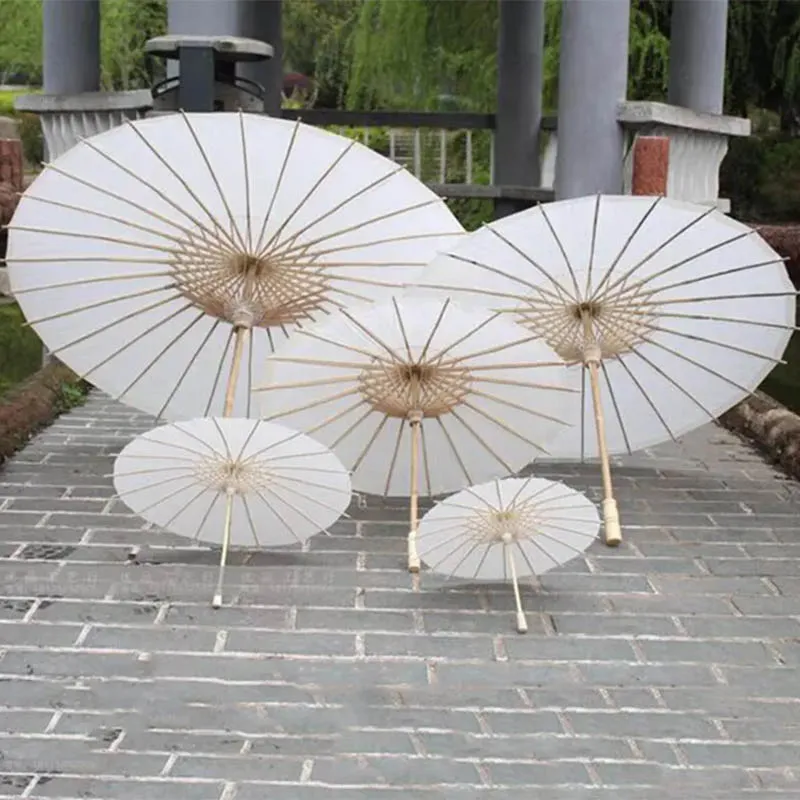
The traditional Japanese umbrella, also known as "wagasa," has been around for centuries. These umbrellas are made from washi paper or silk, which is then coated with oil to make it waterproof. The frame of the umbrella is made from bamboo, which is both lightweight and durable.
The design of the traditional Japanese umbrella is intricate and detailed. It features vibrant colors and patterns that represent different seasons and occasions. For example, a cherry blossom pattern represents spring, while a chrysanthemum pattern represents autumn. The handle of the umbrella is often made from wood and is carved into unique shapes that add to its beauty and elegance.
Contemporary Japanese Umbrellas:
In recent years, contemporary Japanese umbrellas have gained popularity due to their sleek and modern designs. These umbrellas are made using advanced materials such as polyester, nylon, and PVC. They are lightweight, easy to carry, and come in a wide range of colors and patterns.
Unlike traditional umbrellas, contemporary umbrellas are designed to be practical and functional. They feature automatic opening and closing mechanisms, UV protection, and wind-resistant technology. This makes them ideal for everyday use and travel.
Contemporary Japanese umbrellas also cater to modern fashion trends. They come in different styles such as bubble umbrellas, parasols, and compact umbrellas. These styles allow consumers to choose an umbrella that best suits their personal style and needs.See More: What Are the Best Sun Parasols to Keep You Cool and Protected?
Functionality of Japanese Umbrellas:
Firstly, let's discuss the design of Japanese umbrellas. Unlike regular umbrellas, which are typically made with metal frames and nylon material, Japanese umbrellas have a unique frame structure that is made of bamboo and washi paper. This combination creates a lightweight yet sturdy umbrella that can withstand strong winds and heavy rain. The bamboo frame is flexible, allowing it to bend without breaking during windy conditions, while the washi paper is water-resistant and durable.
Another design aspect of Japanese umbrellas is the shape of the canopy. Japanese umbrellas have a unique dome shape that allows for maximum coverage and protection from the elements. The curved shape helps to prevent rain from dripping down the sides of the umbrella onto the user. Additionally, some Japanese umbrellas have additional layers of fabric on the canopy to increase water resistance and prevent water from penetrating through.
One advantage of using Japanese umbrellas over regular umbrellas is their durability. Because of the use of bamboo and washi paper, these umbrellas are built to last. Regular umbrellas, on the other hand, are often made with cheaper materials that wear out quickly and need to be replaced frequently. Investing in a Japanese umbrella may cost more initially, but it is ultimately a smarter investment in the long run.
Another advantage of Japanese umbrellas is their aesthetic appeal. From the intricate designs on the canopy to the decorative tassels and handles, these umbrellas are beautiful works of art. Japanese umbrellas come in a variety of colors and patterns, allowing users to express their personal style while staying dry during rainy weather.
Beauty of Japanese Umbrellas:
One of the most striking features of Japanese umbrellas is the use of intricate patterns and designs. These patterns are inspired by elements of nature such as cherry blossoms, bamboo, and pine trees. They are also influenced by cultural symbols such as dragons and cranes, which hold a significant meaning in Japanese mythology.
Japanese umbrellas are often made using traditional techniques that have been passed down through generations. The materials used in making these umbrellas contribute significantly to their beauty. For instance, the ribs of Japanese umbrellas are made from bamboo, which is lightweight but sturdy. The fabric used to cover the umbrella is typically made from washi paper or silk, both of which are naturally beautiful materials.
Washi paper is a traditional Japanese paper that is handmade using fibers from the bark of the mulberry tree. It has a unique texture and is known for its strength and durability. Silk, on the other hand, is a luxurious material that has been prized in Japan for centuries. It is soft, lustrous, and has excellent draping qualities, making it perfect for creating elegant and flowing designs.
In addition to the materials used, the process of making Japanese umbrellas is also a significant contributor to their beauty. Each step of the process, from the cutting of the bamboo ribs to the painting of the designs onto the fabric, is done with meticulous care and attention to detail.
Where to Buy Japanese Umbrellas:
If you're looking to buy a Japanese umbrella, there are two main options: physical stores in Japan and online stores that offer international shipping. Let's explore both of these options.See More: How to start an online store: A beginner's guide
Physical Stores in Japan
Japan has a vast selection of stores that sell traditional and contemporary Japanese umbrellas. One of the most popular places to buy a Japanese umbrella is at Asakusa, Tokyo's old town district. Here, you'll find several shops that specialize in selling wagasa-umbrella. The Kaminarimon Gate, located at the entrance of Sensoji Temple, is where you can find many stores offering an impressive variety of umbrellas.
Another popular place to buy Japanese umbrellas is Kyoto, which is famous for its traditional Japanese culture. There are several shops located in Kyoto's Gion district that specialize in handmade wagasa-umbrella made by local craftsmen.
Online Stores
Online shopping offers convenience, especially for international buyers who cannot travel to Japan to purchase their desired Japanese umbrella. Several online stores offer a wide variety of Japanese umbrellas, from traditional to modern designs. Some of the most popular online stores include Amazon, Etsy, Rakuten, and Yahoo! Shopping Japan.
When choosing an online store, it is essential to look out for reviews from previous customers and check if the store has a return policy. Make sure to read the product description carefully to ensure that the umbrella's material and size meet your needs and preferences.
Tips on Choosing the Right Japanese Umbrella
When selecting a Japanese umbrella, there are several factors to consider, including its purpose, design, material, and size.
Purpose: Consider why you need the umbrella. Is it for daily use or a special occasion? Different types of Japanese umbrellas are designed for various purposes.
Design: Japanese umbrellas come in different designs, ranging from traditional to modern. Choose a design that suits your style and personality.
Material: Japanese umbrellas can be made from different materials such as paper, silk, and cotton. Consider the durability and maintenance required before making a purchase.See More: Sharpen Your Skills: Proper Maintenance for Meat Knives
Size: The size of the umbrella is also crucial. A smaller umbrella is more suitable for everyday use, while a larger umbrella is ideal for outdoor events.See More: 5 Reasons Why Inflatable Houses Are Great for Outdoor Events
In conclusion, whether you choose to shop in a physical store in Japan or an online store, buying a Japanese umbrella is an excellent investment in terms of quality, beauty, and functionality. With these tips in mind, you can make an informed decision when selecting the perfect Japanese umbrella for your needs and preferences.
Buy Now
See More: Wholesale Products
FAQ
Q1. What makes Japanese umbrellas different from other types of umbrellas?
Japanese umbrellas, or "wagasa," are traditionally made from natural materials such as bamboo, washi paper, and silk. Unlike Western umbrellas that are designed solely for rain protection, wagasa are also crafted to complement traditional Japanese attire and offer shade from the sun. They feature intricate designs and patterns, and many are hand-painted by skilled artisans.
Q2. Are Japanese umbrellas practical for everyday use?
While they may not be as durable as modern umbrellas made from synthetic materials, Japanese umbrellas can provide adequate protection from both rain and sun. They are lightweight and easy to carry around, making them a great accessory for outdoor events or as a statement piece in your home decor. If properly cared for, a high-quality wagasa can last for many years.
Q3. How do I care for my Japanese umbrella?
To maintain the beauty and functionality of your wagasa, it is important to handle it with care. Avoid exposing it to extreme temperatures or humidity, and store it in a dry place when not in use. Do not fold or force the umbrella closed if it becomes stuck, as this can damage the delicate materials. Instead, gently shake the umbrella to remove any excess water or debris before closing it.
Q4. Can I use a Japanese umbrella in windy conditions?
Due to their delicate construction, wagasa are not recommended for use in strong winds or heavy rain. However, some manufacturers have developed reinforced versions that are more resilient. It is important to check the manufacturer's guidelines and use your own judgement based on weather conditions before using a Japanese umbrella.
Recommended related content
Discover the Benefits of Aromatherapy with Candles
Discover the Fascinating World of Rare Seeds
Discover the Benefits of a One-Line Knife Fold
