
What are Opera Glasses and How to Choose the Best One?
Upload time :January 8, 2024
Shares
Reads
If you're wondering what opera glasses are and how to choose the best one, this article has got you covered. Opera glasses are small binoculars designed for indoor use in theaters, operas, and other cultural events that require a closer view of the stage. When selecting the ideal pair of opera glasses, there are several factors to consider, such as magnification power, lens quality, weight, and size. There are various types of opera glasses available today, including traditional, modern, and digital models. The price range and quality of opera glasses vary greatly, from budget-friendly options to high-end luxury designs. To ensure your opera glasses last longer, it's crucial to follow some basic care and maintenance guidelines, such as cleaning them regularly, storing them properly, and avoiding exposure to extreme temperatures. By following these tips, you can enhance your viewing experience and enjoy every detail of the performance with ease.
1. Definition and purpose of opera glasses
Opera glasses are a must-have accessory for anyone who loves going to the opera, ballet, or theater performances. They are small binoculars that allow you to see the performers on stage up close and personal, so you don't miss any of the action. In this article, we will discuss the purpose of opera glasses, their history, and how to choose the best one that suits your needs.
Definition and Purpose of Opera Glasses
Opera glasses, also known as theater binoculars, are handheld optical devices designed to magnify distant objects. They are essential accessories for people who attend live performances of musicals, operas, and ballets, where the audience is seated far away from the stage. With opera glasses, you can see the facial expressions, costumes, and body language of the performers, making the experience more immersive and enjoyable.
Opera glasses come in various shapes and sizes, but they all have the same basic components. They consist of two lenses that focus light onto the user's eyes, producing a magnified image. The lenses are usually separated by a distance that is similar to the distance between human eyes, which allows users to perceive the image in 3D. Additionally, opera glasses may have adjustable focus, so you can adjust the magnification to suit your needs.
History of Opera Glasses
The use of handheld optical devices to magnify images dates back to the 17th century. Early versions of opera glasses were called lorgnettes, which were held up to the eye with one hand and had a single lens that could be adjusted for focus. Later, binoculars were developed with two lenses, allowing for better depth perception and increased magnification.
During the 19th century, opera glasses became fashionable accessories for women attending opera performances in Europe. They were often made of gold or silver and adorned with precious jewels. But it wasn't until the early 20th century that opera glasses became widely available to the general public, thanks to advances in manufacturing technology and affordable materials.
How to Choose the Best Opera Glasses
When choosing an opera glass, there are several factors to consider, including magnification, lens size, weight, and design.
Magnification: Opera glasses typically have magnification between 3x and 8x. A higher magnification will provide a closer view of the stage but may result in a narrower field of view and shakier image due to the increased shaking caused by the slightest movement of the hand.
Lens size: Larger lenses generally provide a brighter and clearer image, but they also add to the weight of the opera glasses. A lens diameter of around 25mm is considered ideal for most situations.
Weight: Choose an opera glass with a weight that feels comfortable in your hands, since you'll be holding them for extended periods. Lightweight polycarbonate models weigh less than heavier metal models and hence are easier to carry.
Design: Opera glasses come in different designs, such as foldable, pocket-sized, and necklace-style. It is recommended that you choose a design that is easy to hold and carry, and fits your style and personality.
Conclusion
Investing in a good pair of opera glasses can enhance your viewing experience during live performances, providing you with a closer look at the performers and their costumes. When choosing a pair of opera glasses, keep in mind the magnification, lens size, weight, and design. Investing in a good pair of opera glasses is worth it if you're an avid theatergoer or simply enjoy watching live performances. So the next time you go out to attend an opera performance, make sure to bring along your trusted pair of opera glasses!
2. Factors to consider when choosing opera glasses
Opera glasses are a pair of small binoculars designed to enhance the viewing experience of opera or theater performances. These glasses are specially made to help viewers see every detail on stage, even from a considerable distance. They have become an indispensable tool for those who enjoy attending live performances, making it easier for them to have a clear view of the stage from their seats.
Choosing the best opera glasses is important if you want to have the best viewing experience. Here are some factors to consider when choosing opera glasses:
1. Magnification
The magnification of opera glasses refers to how much they can enlarge the image viewed through them. Different models come with varying magnifications, ranging from 3x to 8x. The higher the magnification, the closer you can get to the stage and the more details you can see. However, high magnification opera glasses can also be difficult to hold steady, and may produce shaky images.
2. Objective lens size
The objective lens size refers to the diameter of the lens used to capture light. The larger the lens, the more light it will gather, resulting in a brighter image. However, larger lenses also make the glasses heavier and bulkier. The most common objective lens sizes for opera glasses are 25mm and 28mm.
3. Field of view
Field of view refers to the amount of area visible through the glasses. If you choose a model with a wider field of view, you will be able to see more of the stage without having to move the glasses around. This is particularly useful if you want to follow the movements of actors or performers as they move across the stage.
4. Focus
Opera glasses should have a smooth focus mechanism that allows you to adjust the focus easily and quickly. The focus wheel should be easy to turn and not too stiff, so you can concentrate on the performance rather than wrestling with the glasses.
5. Build quality
The build quality of the opera glasses is also an important factor to consider. Look for glasses made with durable materials that can withstand regular use. The glasses should be lightweight and comfortable to hold so you can use them for extended periods without experiencing fatigue.
6. Design
While design may not be the primary factor when choosing opera glasses, it can still play a role in your decision-making process. Some models come with elegant designs, such as gold-plated or mother-of-pearl finishes, which can add a touch of sophistication to your opera-going experience.
7. Price
Opera glasses come at different price points, ranging from inexpensive models to high-end options. It is important to find the right balance between features and cost. Consider what you can afford and what features are most important to you before making a purchase.
In conclusion, opera glasses can provide an enhanced viewing experience for opera and theater performances, allowing you to see every detail on stage from a distance. When choosing the best opera glasses, consider factors such as magnification, objective lens size, field of view, focus, build quality, design, and price. With the right opera glasses, you can fully immerse yourself in the performance and appreciate all the nuances of the production.
3. Different types of opera glasses available
Opera glasses are a handy tool for people who enjoy visiting the opera, ballet, or theater. These small binoculars make it easier to see performers and details on stage from a distance. They come in various sizes, shapes, and designs, making it challenging to choose the best one. If you're planning to purchase opera glasses, there are a few things you may want to consider to ensure you pick the right one.
Different types of Opera Glasses Available
1. Galilean Opera Glasses
Galilean opera glasses are compact and lightweight. They have a simple design with two lenses that magnify images. They are easy to use and adjust, making them suitable for everyone, including beginners. You can easily fit them in your pocket or purse, making them convenient to carry around. However, they have a limited field of view and might not be suitable for large theaters or performances.
2. Keplerian Opera Glasses
Keplerian opera glasses are larger than Galilean opera glasses and have a more complex design. They use a combination of lenses to provide better magnification and clarity. They have a wider field of view which makes them ideal for medium to large-sized theaters. However, they tend to be heavier and bulkier, which can be challenging to carry around.
3. Binoculars With Opera Glasses Attachment
This type of opera glasses is essentially a pair of binoculars with an attachment that converts them into opera glasses. They provide a higher magnification level and greater clarity than traditional opera glasses. They are ideal for large theaters or outdoor performances where the viewer is seated far away from the stage. However, they are also bulkier and heavier, which can be exhausting to hold for long periods.
How to Choose the Best Opera Glasses?
1. Magnification Level
The magnification level determines how close you'll be able to see the stage. The higher the magnification level, the closer you'll be able to see the performers. However, it's essential to note that opera glasses with high magnification levels have a narrow field of view, making it challenging to see the entire stage. Lower magnification levels provide a wider field of view but don't bring you as close to the stage.
2. Lens Quality
The quality of the lens determines how clear and sharp the image will be. High-quality lenses produce clear and crisp images. Cheaper lenses may cause distortion, blurriness, or even color fringing, which can impact your viewing experience.
3. Field of View
The field of view determines how much of the stage you can see at once. A wider field of view means that you can see more of the stage without moving the opera glasses around. However, this often comes at the expense of magnification, which means you won't be able to see the performers as closely.
4. Size and Weight
When choosing opera glasses, size, and weight are essential factors to consider. You don't want to end up with opera glasses that are too heavy or bulky to carry around. On the other hand, you also don't want ones that are too small or light, which can affect stability and clarity.
5. Design and Appearance
Opera glasses come in various designs and colors, ranging from classic black to vibrant hues. While the design and appearance may not affect functionality, it can impact comfort and aesthetics.
Conclusion
In conclusion, the type of opera glasses you choose depends on personal preferences and needs. Galilean opera glasses are lightweight and easy to use, while Keplerian opera glasses offer better magnification and a wider field of view. Binoculars with opera glasses attachments provide the highest magnification, but they tend to be bulky and heavy. When choosing the best opera glasses, consider factors such as magnification level, lens quality, field of view, size and weight, and design and appearance. With these factors in mind, you can purchase the perfect pair of opera glasses to enhance your theater experience.
4. Price range and quality of opera glasses
Opera glasses are small, binoculars that are used to watch performances in theaters and operas. They are also known as theater glasses or lorgnettes. These glasses are designed to help you see more clearly and closely the performers on stage, no matter where your seat is. In this article, we will discuss the various factors that you should consider when choosing opera glasses.
1. Magnification
The magnifying power of opera glasses ranges from 2x to 8x. The higher the magnification, the closer the image appears, but it also makes the field of view smaller. The ideal magnification for opera glasses is between 3x and 5x. This range will give you a clear view of the performance and allow you to see the entire stage.
2. Objective lenses
The objective lenses are located at the front of the opera glasses and determine how much light enters the device. Larger objective lenses allow more light in, resulting in brighter and clearer images. However, larger objective lenses also make the glasses heavier and bulkier. The average size of the objective lens is around 25mm, which is sufficient for most indoor performances.
3. Focus
Opera glasses have a fixed focus, which means that they are set to a specific distance. This is because the stage is always in the same location, and the distance between the audience and the stage is relatively constant. Therefore, there is no need for an adjustable focus. However, some high-end models may have an adjustable focus that allows you to fine-tune the image.
4. Price range and quality
The price of opera glasses varies depending on the quality and features. You can get a basic pair for as little as $20, while high-end models can cost thousands of dollars. The quality of the glass and materials used can significantly affect the clarity and durability of the glasses.
For example, cheaper opera glasses may use plastic lenses, which can scratch easily and distort the image. Higher quality glasses will have multi-coated lenses that reduce glare and provide a sharper image. The housing of the glasses can also affect their durability. High-end models may use materials such as brass or silver, while cheaper models may use plastic or aluminum.
When choosing opera glasses, it is essential to balance the features and quality with your budget. A basic pair of opera glasses will suffice for most people, but if you are a serious opera enthusiast, investing in a higher quality pair may be worth it.
5. Design
Finally, the design of the opera glasses is also an important factor to consider. While the primary purpose of opera glasses is functionality, it doesn't hurt to choose a pair that looks stylish and elegant. There are many different designs available, from classic gold or silver models to modern designs with colorful accents.
Conclusion
Choosing the right opera glasses requires considering several factors, including magnification, objective lenses, focus, price, and design. By finding a pair that meets your needs and preferences, you can enhance your opera experience and enjoy the performance to its fullest.
5. Tips for proper use and care of opera glasses
Opera glasses are a small, handheld optical device that are used to magnify the stage and performers during an opera performance. Opera glasses were first used in the 19th century and have since become a staple for opera-goers around the world. If you're interested in purchasing a pair of opera glasses for your next visit to the opera, there are a few things you should consider before making your purchase.
1. Magnification
The first thing you'll need to consider when purchasing opera glasses is their magnification. Most opera glasses come with a magnification range of 2x-4x. While higher magnification may seem better, it can actually make it more difficult to focus on the performers. A magnification of 3x is generally considered to be the best for most opera-goers.
2. Field of View
Another important consideration when purchasing opera glasses is the field of view. The field of view refers to the amount of area you can see through the lens at once. A larger field of view allows you to see more of the stage at once, which can be beneficial if you're trying to follow multiple performers or movements at the same time.
3. Lens Quality
The quality of the lens is another important factor to consider when purchasing opera glasses. Look for lenses made from high-quality glass and coated to reduce glare and improve contrast. This will ensure that you get clear, crisp images without any distortion.
4. Size and Weight
Opera glasses come in a variety of sizes and weights, so it's important to choose a pair that feels comfortable in your hand. Smaller, lightweight opera glasses are easier to carry and hold steady, but larger models may offer better image quality and a wider field of view. Ultimately, it's up to personal preference.
5. Style and Design
Last but not least, you should consider the style and design of the opera glasses you're considering. There are many different styles to choose from, including classic black, silver, and gold designs, as well as more modern styles with bright colors and patterns. Choose a pair that matches your personal style and complements your opera attire.
Tips for Proper Use and Care of Opera Glasses
Once you've chosen the perfect pair of opera glasses, it's important to know how to use and care for them properly. Here are a few tips to keep in mind:
1. Hold the opera glasses steady: When using opera glasses, it's important to keep them steady to avoid shaking or blurring the image. Hold the opera glasses with both hands and brace your elbows against your body for stability.
2. Focus carefully: Adjust the focus on your opera glasses by turning the central focusing wheel until the image is clear. Take your time to find the right focus for each performer and movement on stage.
3. Clean the lenses regularly: To keep your opera glasses in good condition, clean the lenses regularly with a soft, lint-free cloth to remove dust and fingerprints. Avoid using harsh chemicals or abrasive materials that could scratch the lenses.
4. Store in a protective case: When not in use, store your opera glasses in a protective case to prevent damage and protect against scratches. Avoid leaving them in direct sunlight or extreme temperatures.
5. Bring spare batteries: If your opera glasses come with a built-in light, be sure to bring spare batteries to ensure that you can use them throughout the performance. You don't want to miss out on essential details because your batteries died halfway through the show!
In Conclusion
Choosing the right opera glasses can greatly enhance your experience at the opera. Consider the factors discussed above, such as magnification, field of view, lens quality, size and weight, and style and design. Once you've found the perfect pair, remember to use and care for them properly to ensure that they last for many performances to come.
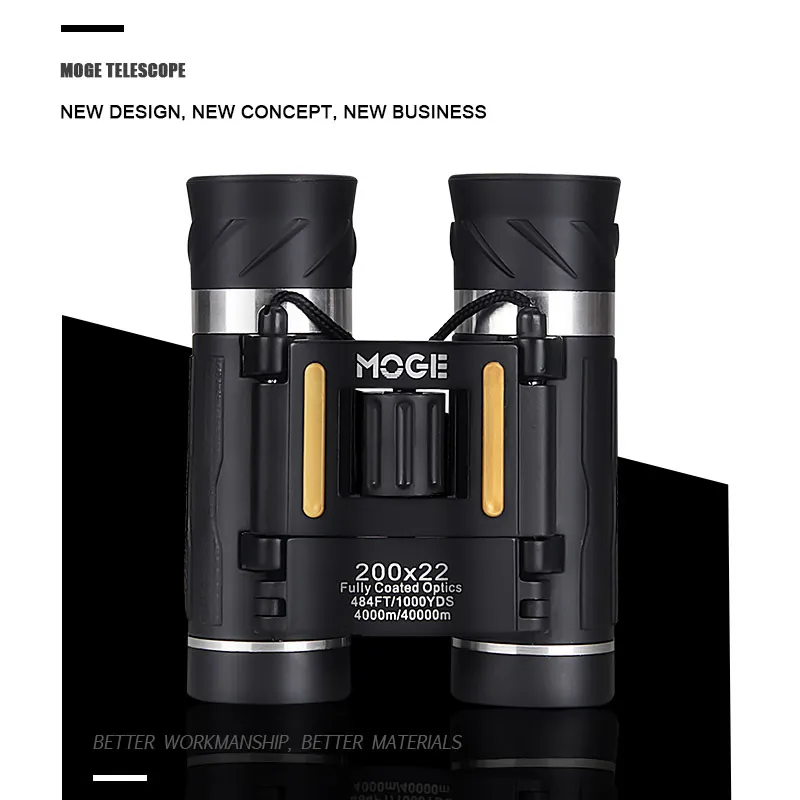
Buy Now
See More: Wholesale Products
Recommended related content
What Are Beer Hats and How to Choose the Best One?
What are Dab Nectar Collectors and How to Choose the Best One?
What are Stage Curtains and How to Choose the Best Ones?
