
Exploring the Features and Advantages of High-Quality Monocular Telescopes
Upload time :December 2, 2023
Shares
Reads
For monocular telescope consumers, it's important to understand the features that set high-quality options apart from cheaper alternatives. Look for superior optics, durable construction, waterproofing, and ergonomic design. The advantages of using a monocular telescope over other types of binoculars or spotting scopes include increased portability, better magnification, and improved low-light performance. Monocular telescopes are perfect for outdoor activities such as bird watching, hiking, camping, and stargazing. These applications benefit from the unique characteristics of monocular telescopes, making them versatile and essential tools for any outdoor enthusiast. Invest in a high-quality monocular telescope to enhance your next adventure and see nature in a whole new way.
Features of High-Quality Monocular Telescopes
One of the most important features of high-quality monocular telescopes is superior optics. This means that the lens and prism in the telescope are made from high-quality materials and have been designed to provide clear and sharp images. The quality of the optics also affects the magnification power and field of view. A good monocular telescope should have a magnification power of at least 8x and a field of view of around 330 feet at 1000 yards. This will give you a detailed view of distant objects without compromising on image clarity.
Another key feature of high-quality monocular telescopes is durable construction. A robust and rugged design is essential for outdoor activities where the telescope may be subjected to rough handling or extreme weather conditions. Look for a monocular telescope that has a sturdy metal body and a rubberized coating for a comfortable grip. This will ensure that the telescope can withstand wear and tear and last for years to come.
Waterproofing is also an essential feature of high-quality monocular telescopes. Whether you're using it for bird watching or hiking in wet conditions, a waterproof monocular telescope will protect your investment from damage due to moisture. Look for a telescope that has been sealed with O-rings or nitrogen purging, which will prevent moisture from entering the lens and damaging the optics.
Finally, ergonomic design is important for ease of use and comfort. A good monocular telescope should be lightweight and easy to hold, with a design that fits comfortably into your hand. Look for a model with a twist-up eyecup that adjusts to your eyesight, as well as a focus knob that is easy to use even when wearing gloves. These features will ensure that you can use the telescope for extended periods without experiencing any discomfort.
Advantages of Using a Monocular Telescope
One of the key benefits of using a monocular telescope is their increased portability. Monoculars are smaller and lighter than binoculars, making them easier to carry around on hiking trips or other outdoor activities. Their compact size also means they can be easily stored in a backpack or pocket without taking up too much space.
Another advantage of monocular telescopes is their superior magnification capabilities. They typically offer higher magnification than binoculars, allowing users to see further and more clearly. This can be especially useful when observing wildlife or trying to identify distant objects.
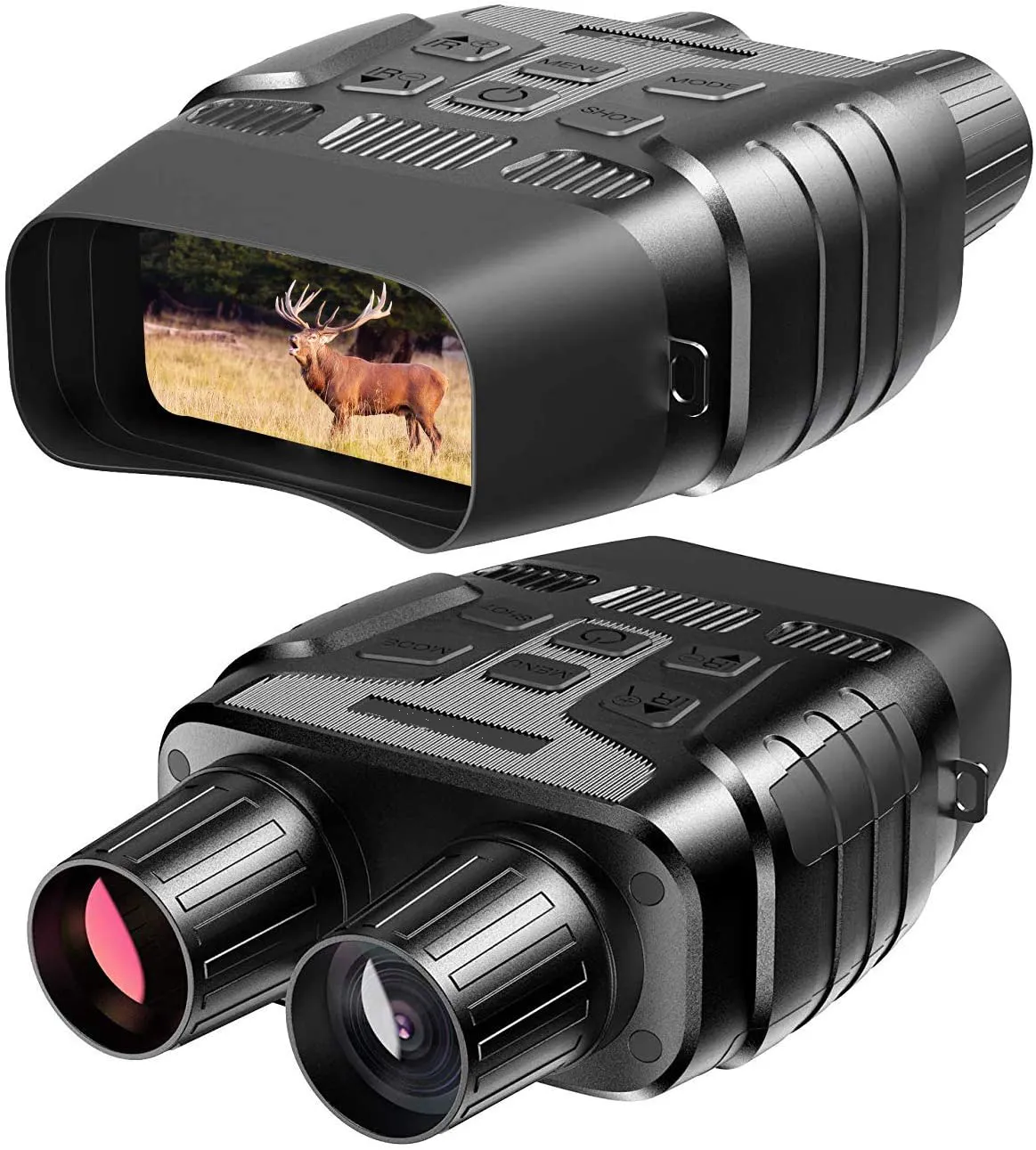
In addition to their superior magnification, monocular telescopes also offer improved low-light performance. Many models are equipped with advanced optics that allow them to gather more light, making them ideal for stargazing or birdwatching at dawn or dusk. Some models even come with night vision capabilities, making them perfect for nocturnal wildlife observation.
Another benefit of monocular telescopes is their versatility. They can be used for a wide range of outdoor activities, including hiking, camping, hunting, birdwatching, and stargazing. Their compact size and lightweight design make them a great option for those who want to travel light but still have access to high-quality optics.
Finally, monocular telescopes are typically more affordable than traditional binoculars or spotting scopes. While there are certainly high-end models available, many entry-level monoculars offer excellent performance at a fraction of the cost of larger optics. This makes them a great option for anyone looking to get into outdoor observation without breaking the bank.
Applications of Monocular Telescopes
Bird watching is one of the most popular outdoor activities that require the use of optical instruments. A monocular telescope is an ideal tool for bird watching because it allows you to get a closer look at birds without disturbing them or altering their natural behavior. Monocular telescopes have a high magnification power, which makes it possible to observe birds in greater detail. They are also equipped with a wide field of view, which lets you keep track of fast-moving birds and capture fleeting moments of their behavior.
Hiking
Hiking is another outdoor activity where monocular telescopes come in handy. During hikes, there are often beautiful landscapes, scenic views, and wildlife that you may want to observe from a distance. With a monocular telescope, you can easily zoom in on distant objects and appreciate the beauty of nature up close. Additionally, monocular telescopes are much lighter than binoculars, making them easier to carry during long hikes.
Camping
Camping is a great way to connect with nature and escape the hustle and bustle of everyday life. Monocular telescopes can enhance your camping experience by allowing you to observe the stars and constellations at night. They can also be used during the day to spot wildlife, birds, and other interesting objects in the distance. Monocular telescopes are easy to pack, and they don't take up much space in your camping gear.
Stargazing
Stargazing is a popular activity among astronomy enthusiasts. Monocular telescopes are perfect for stargazing because they provide a higher magnification than traditional binoculars. They allow you to see the moon, planets, and stars in greater detail and clarity. Monocular telescopes are also easy to maneuver, making it easier to follow moving celestial objects.
Conclusion
In conclusion, monocular telescopes are a versatile and convenient tool for a variety of outdoor activities. Whether you are a bird watcher, hiker, camper, or stargazer, there is a monocular telescope that meets your specific needs. These telescopes offer high magnification, a wide field of view, and are easy to carry. So, if you are looking to enhance your outdoor experience, consider investing in a monocular telescope.
FAQ
Q1. What is a monocular telescope and how does it differ from a traditional telescope?
A monocular telescope is a handheld optical device that uses lenses to magnify distant objects, similar to a traditional telescope. However, unlike a binocular or traditional telescope, it only has one eyepiece. This makes it more portable and lightweight, making it ideal for outdoor activities such as hiking, camping, and birdwatching.
Q2. What are the advantages of using a high-quality monocular telescope?
High-quality monocular telescopes have several advantages over other types of telescopes. They are smaller and more compact than traditional telescopes, making them easier to carry around and store. They also offer a wider field of view, allowing you to see more of your surroundings. Additionally, since they only have one eyepiece, they are less bulky and easier to hold steady, resulting in a sharper and clearer image.
Q3. What should I look for when choosing a high-quality monocular telescope?
When shopping for a monocular telescope, there are several factors to consider. First, consider the size and weight of the device, as well as its magnification power. A magnification power of 10x or higher is recommended for most outdoor activities. You should also look for a device with high-quality optics, such as multi-coated lenses and BaK-4 prisms, which will provide a clearer and brighter image. Finally, consider any additional features such as waterproofing, image stabilization, and built-in rangefinders, which may be useful depending on your specific needs.
Q4. How should I care for and maintain my monocular telescope?
To ensure your monocular telescope continues to perform at its best, it is important to maintain and care for it properly. Always store it in a protective case when not in use, and avoid exposing it to extreme temperatures or moisture. Clean the lenses regularly using a soft cloth or brush, and avoid using harsh chemicals or abrasive materials which can scratch the lens surface. If the device becomes dirty or dusty, gently blow it off with a bulb blower or compressed air. Finally, if the device is damaged, contact the manufacturer or a reputable repair service for assistance.
Buy Now
See More: Wholesale Products
Recommended related content
Exploring the Night Sky with Your Own Astronomical Telescope
Exploring the History and Evolution of Ham Radio Technology
he Science Behind the Design and Manufacturing of High-Quality Inflatable Doll
Exploring the Latest Innovations in Gamer Camera Technology
Exploring the Top Brands and Models of Bulge Boxers on the Market Today
